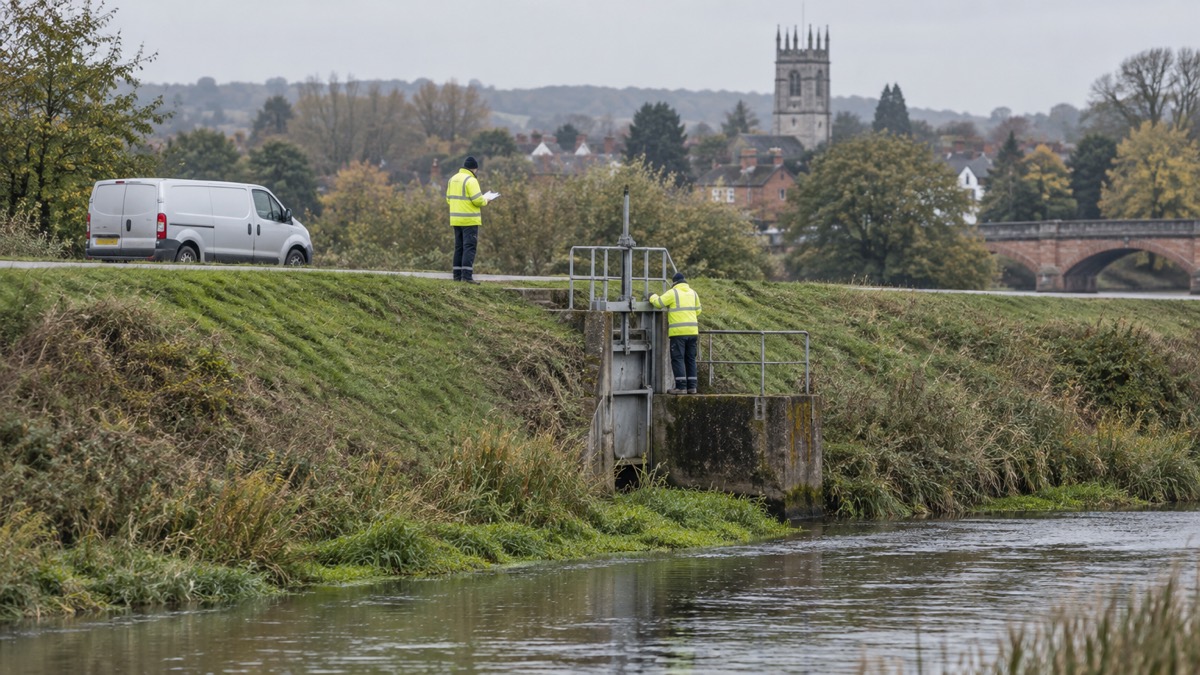
The Floods Resilience Taskforce was established in September 2024, according to the government's UK Government Resilience Action Plan: 2026 Implementation Report, published by the Cabinet Office and updated on 1 October 2026. The report records the date of establishment in a list of commitments delivered under the Resilience Action Plan, which was published in July 20251.
The report gives no further detail on the taskforce itself. Its membership, remit, work programme and reporting arrangements have not been reported in the document. The single reference is the line "Established in September 2024"1.
The same report sets out the wider risk landscape against which the taskforce sits. It records that storms Chandra, Goretti and Ingrid caused severe disruptions and widespread utility failures in January 2026, and that the Cabinet Office issued two emergency alerts to approximately 500,000 people across the Isles of Scilly and Cornwall on Thursday 8 January1. It also records record-breaking temperatures in June 2026, requiring a RED heat weather warning, with temperatures reaching a maximum of 37.3 degrees Celsius in Suffolk1.
The report describes the resilience system the taskforce forms part of. It says five Chief Resilience Officers have been introduced as part of the Stronger LRF Trailblazer programme, with recruitment to the final post underway, and that a public call for views has been launched to gather evidence from the resilience community ahead of a review of the Civil Contingencies Act 20041. It states that a refreshed National Risk Register was published alongside the implementation report1.
"Established in September 2024"
Why it matters for households
Flooding is one of the hazards the government's resilience work covers, and the taskforce's establishment is recorded as a delivered commitment in the national plan for strengthening resilience. The report does not state which areas or households the taskforce's work will cover, what it will change in practice, or from when. No advice to households is attributed to the taskforce in the report.
The report's foreword, from the Security Minister, says the government is working with devolved and local governments, Local Resilience Forums, utilities providers, businesses and civil society organisations on a national resilience public engagement campaign anchored in GOV.UK/Prepare, launching later in 20261. It also says the government has introduced five Chief Resilience Officers and is accelerating the Home Defence Programme1. The report states that the actions individuals, households, communities and businesses can take to strengthen their own preparedness are vital1.
Households wanting background on flood risk and practical preparation can read the site's flooding hub and the UK preparedness hub.
What happens next
The report lists several dated commitments. Four new standards are to be published in July 2026, and the first cross-government users are scheduled to begin onboarding in July1. A funding package of up to £2.5 million to support civil society infrastructure in England will be delivered by the selected organisation between October 2026 and March 20291. The Executive Office in Northern Ireland will launch a "Be Ready NI" campaign during the summer1. No next steps specific to the Floods Resilience Taskforce are given in the report1.