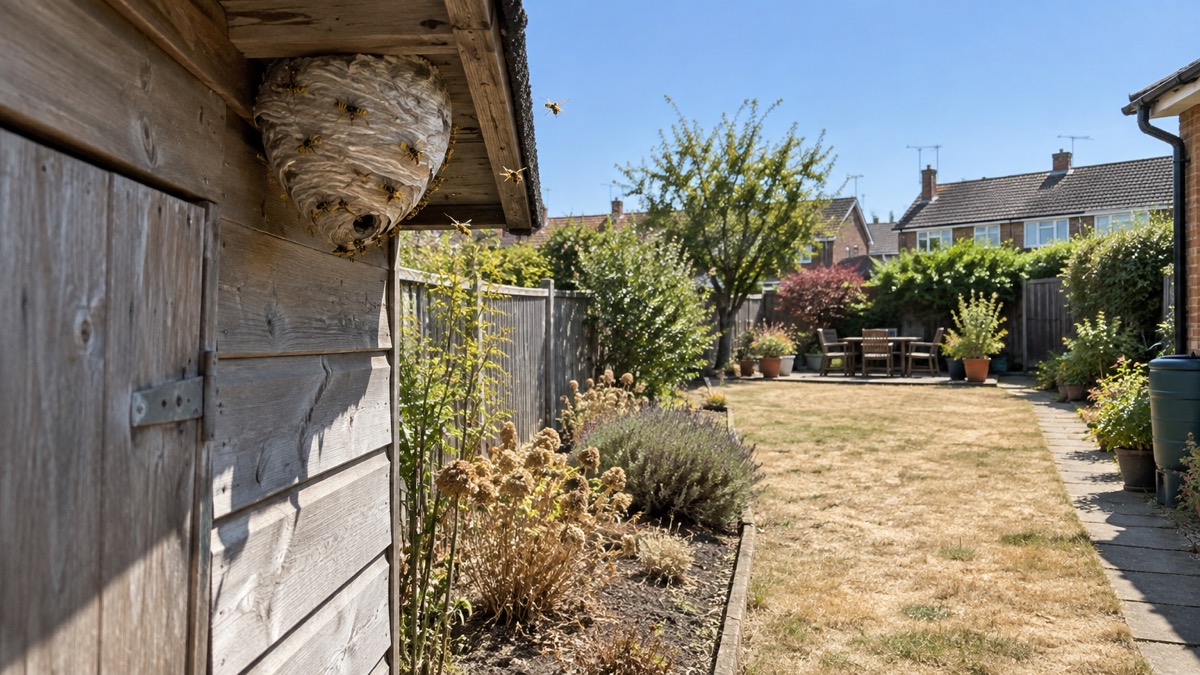
St John Ambulance published first aid advice for bites and stings on 12 August 2022, saying experts had warned of a rise in pest numbers as concurrent heatwaves provided conditions for breeding1. The charity said the risk of being bitten or stung was also set to increase1.
The charity's advice covers prevention, mild reactions and severe allergic reactions. Dr Lynn Thomas, St John Ambulance's medical director, said:
"During the warm weather, many of us will be out making the most of our time with our friends and families outside. Just like our warm weather advice, prevention is better than cure, so you can reduce your risk of being stung by taking some simple measures, such as wearing light-coloured clothing, avoiding perfumed hygiene products and avoiding flowering plants where possible."
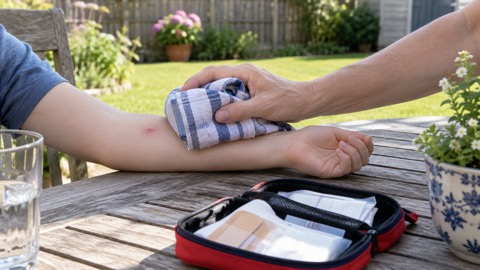
The charity advised anyone with known allergies to bites and stings to carry the right medication, such as an epi-pen or antihistamines, when spending time outside1. It said mild reactions can usually be managed at home with over-the-counter antihistamine medications and bite creams, and that pharmacists can give advice1. Where a sting is left in the skin, it said not to remove it by hand as this can push venom further into the skin, and instead to brush or scrape it sideways as quickly as possible with a credit card or similar1. For people who know they are allergic, it advised taking the correct dose of prescribed medication and keeping both epi-pens when going outside, and making sure people nearby know where the epi-pens are and how to use them1.
The charity said a severe allergic reaction, known as anaphylaxis, can develop in just seconds and can affect the whole body, and can be fatal if not treated quickly enough1. It listed swelling of the neck, face and tongue and difficulty breathing as signs, and said to call 999 or 112 immediately for help1.
Why it matters for households
The warning concerns households spending time outdoors during warm weather, and in particular people with known allergies to bites and stings, who the charity says should be prepared with the right medication when outside1. The charity's advice is that people can reduce the risk of being stung by wearing light-coloured clothing, avoiding perfumed hygiene products and avoiding flowering plants where possible1. It advises that a sting left in the skin should be scraped sideways rather than pulled out by hand, that mild reactions can usually be managed at home with over-the-counter antihistamines and bite creams with advice from a pharmacist, and that signs of a severe reaction such as swelling of the neck, face and tongue and difficulty breathing require an immediate call to 999 or 1121. Further first aid guidance is set out in the site's guide to bites and stings from insects, dogs and other animals, within the wider first aid hub.
What happens next
No further dates or follow-up announcements have been reported1.
 Bites and Stings