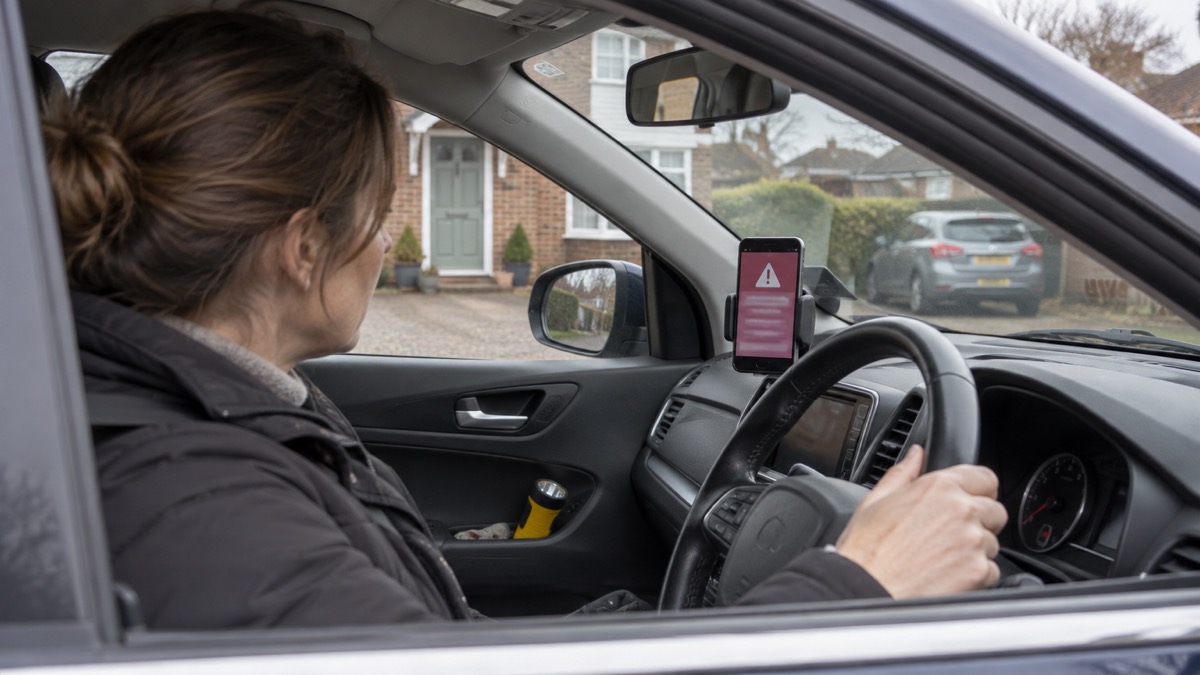
The government launched the Emergency Alerts service to warn the public of emergencies, issuing alerts to compatible smartphones when there is an imminent threat to life1. The Cabinet Office described the service as "now fully operational" in its UK Government Resilience Framework 2023 Implementation Update, published on 4 December 20231.
The update sets out the service as one of a number of tools available to government in an emergency. The Deputy Prime Minister, Oliver Dowden, wrote in the foreword that the government had "further developed capabilities to provide information to citizens, such as the new Emergency Alerts service, which is now fully operational", describing it as "one of many tools the government can deploy in emergencies, allowing us to rapidly communicate with the public in situations where there is danger to life"1.
"The government launched the Emergency Alerts service to help save lives in emergency situations by issuing alerts to compatible smartphones."
The same update records that the COBR Unit, which coordinates crisis response across government, had been strengthening its capabilities "including through the test of the UK-wide Emergency Alert system"1. The National Risk Register, the government's public assessment of the most serious risks facing the UK, also refers to the service, stating that "the UK Government has launched the Emergency Alerts service, to get urgent messages quickly to mobile phones when there is a risk to life"2. The 2023 edition of the register covers 89 risks within 9 risk themes3.
The update lists the incidents to which government responded during the year, including prolonged extreme cold and major water outages due to freeze-thaw between December 2022 and January 2023, a technical fault in June that limited access to the 999 system, a failure of the National Air Traffic Services flight planning system in August, and severe winter storms and associated flooding in October and November1. It also records that the National Cyber Security Centre received 2,005 incident reports this year, an increase of almost 64 per cent from the previous year's 1,2261.
Why it matters for households
Emergency Alerts reach compatible smartphones, so whether a household receives a warning depends on the phone in the hand. The service is intended for situations where there is a risk to life1. The government's implementation update does not set out in the passages published here how individual alerts will look or sound, which devices are compatible, or how to check or change alert settings; those operational details have not been reported in these documents. Households wanting to know how the system works, whether their phone will receive alerts, and how to turn them off or on can find guidance in our pages on Emergency Alerts: How the UK Phone Warning System Works, Will Your Phone Receive Emergency Alerts? and How to Turn Emergency Alerts Off or On. Our wider guide to staying informed and in touch in an emergency covers other ways to receive information when services fail.
The update also records that the government has worked on planning for likely risks this winter, "focussed particularly on those vulnerable to winter conditions, resulting in clearer and better coordinated communications, improved data sharing and proactive analysis to support any response to supporting vulnerable people in an emergency situation"1. The National Risk Register notes that its 2023 edition "is not targeted at the general public"2.
What happens next
The update states that the UK Resilience Forum "will meet in December 2023 for the first time"1. It also records that eight local resilience forums were selected to take forward a pilot: West Mercia, Suffolk, Gloucestershire, Cumbria, Greater Manchester, Northumbria, Thames Valley and London1. No further timetable for the Emergency Alerts service itself is given in the update.
Sources (3)
- The UK Government Resilience Framework: 2023 Implementation Update (HTML) - GOV.UK, gov.uk
- democracy.york.gov.uk, democracy.york.gov.uk
- assets.publishing.service.gov.uk, assets.publishing.service.gov.uk
 Emergency Alerts
 Phones That Get Alerts
 Staying Informed in an Emergency