Sub-zero temperatures between the 11th and 17th of December 2022, followed by a rapid thaw, caused widespread bursts and depleted service reservoirs, leaving around 12,000 properties in West Wales without supply and around 2,000 properties in Mid Wales and Herefordshire affected, according to Welsh Water's report on the event1. Some customers lost supply for up to seven days, with the majority restored within four days1.
The Met Office described the cold spell as one of the most "significant spells of low winter temperatures since the exceptional December of 2010", the report states, and the change from the last cold day to the first thaw day saw an average daily temperature rise of 6.7C, the greatest rate of change for all events back to and including 19471. Ten service reservoirs ran empty in quick succession as demand outstripped supply, and the company's full fleet of over 40 water tankers was initially sent to the six reservoirs that lost storage in West Wales, which was not sufficient to restore supplies to the approximately 12,000 properties supplied from them1. Welsh Water estimates up to 60% of the water lost during the period was linked to leaks on customer pipelines1.
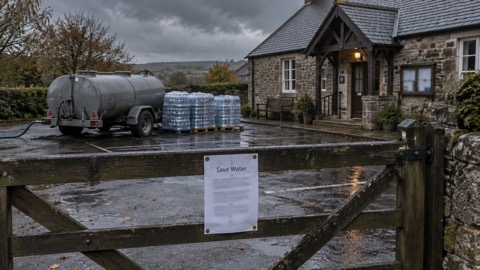
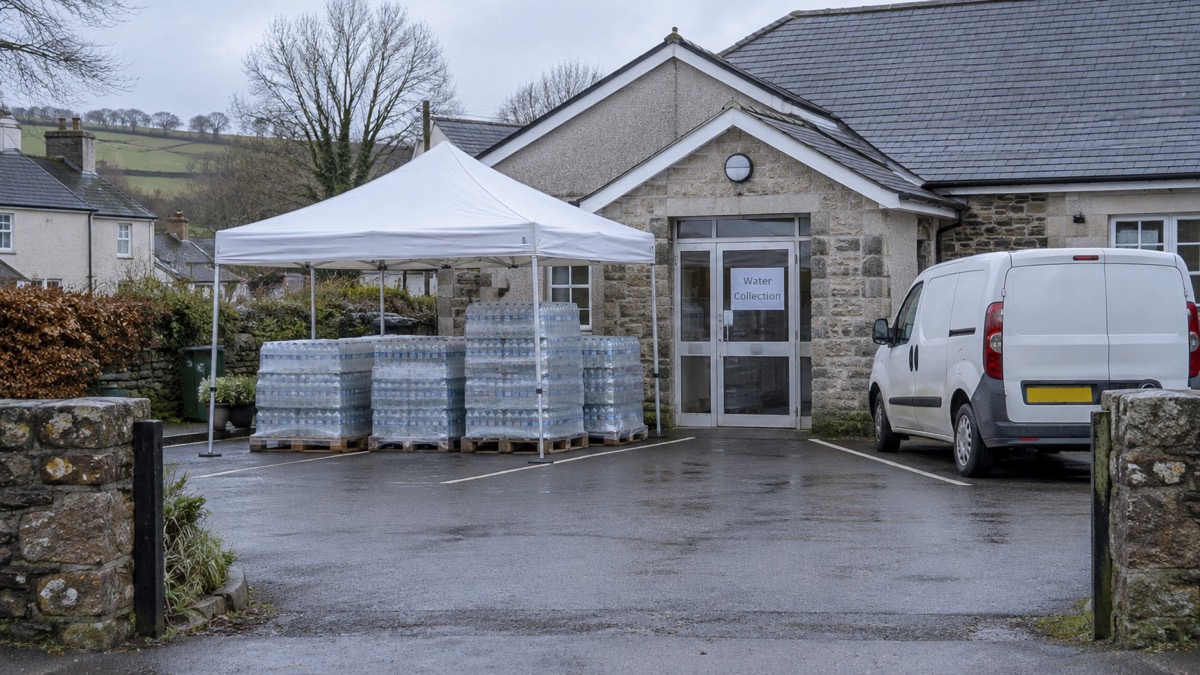
In Mid Wales, with the tanker fleet largely deployed in the West, four service reservoirs ran empty, affecting around 2,000 properties across the Dorstone, Welsh Newton and Llandrindod Wells areas; all customers were brought back on supply within four days, before Christmas Day1. The main conurbations affected in West Wales were Aberaeron, Llandysul, Cardigan, Newcastle Emlyn, Llansteffan and Hafod, where bottled water stations were set up and deliveries made to priority services customers1. Separately, on the 22nd December a high pressure trunk main supplying Trellech Service Reservoir near Monmouth failed, resulting in loss of supply to around 1,300 properties in the Trellech, Llandogo and surrounding areas of rural Monmouthshire1.
Welsh Water reports a 300% increase in mains bursts repaired between the 11th December 2022 and 4th January 2023 compared with the previous year, 660 against 217, of which approximately 97% were on pipes smaller than 200mm1. About 650 colleagues were involved in planning, detection and safe repair of over 2,100 leaks in that period, compared with 1,400 the previous year1. Between the 15th December and 1st January the company sent over 180k text messages to customers who suffered supply interruption1.
"Whilst we maintained supply to over 99% of our customers during this period"
Why it matters for households
The event shows how quickly a thaw after a hard freeze can empty reservoirs and burst pipes across rural networks, and that restoration can take days rather than hours. Welsh Water's report says customers who need water because of a medical condition such as home dialysis are categorised as P1 (priority 1) customers and are contacted immediately if they are affected by a supply interruption1. The company says it has already achieved its priority services register target, with over 140k customers signed up, and has recently achieved the BSI 18477 inclusive services standard for supporting customers in vulnerable circumstances1. Its winter customer campaign encourages customers to make sure any exposed water pipes are protected from freezing1. During the incident the company urged priority customers to stay safe and stock water, if possible, to ensure water was available1. The report also records that the company's winter preparedness exercise, Exercise Winterfell, was completed on the 22nd November with a hot debrief following its closure1.
What happens next
Welsh Water says it started sending letters and making compensation payments to customers on the 17th January 2023, completing the exercise on the 10th February1. The report sets out lessons learnt and post incident review recommendations, including debriefs with the Dyfed Powys local resilience forum and with Herefordshire and Monmouthshire councils1. Further detail of those recommendations has not been reported here.
Households wanting to understand restoration times can read how long until my supply is restored, and practical guidance on washing without running water is also available in the water section.
Sources (1)
- ofwat.gov.uk, ofwat.gov.uk
 When Supply Is Restored