The Out-of-Hospital Cardiac Arrest Outcomes (OHCAO) Registry, based at the University of Warwick Clinical Trials Unit and funded by Resuscitation Council UK and the British Heart Foundation, has reported that fewer than one in 12 patients (7.8%) survive to 30 days after an out-of-hospital cardiac arrest in England1. The British Heart Foundation, which published its report on 9 January 2024, said the figures covered cardiac arrests during 2022 and represented a decrease from the previous year2. Resuscitation Council UK published its account on 11 January 20241.
The analysis uses data submitted by all English regional ambulance services1. Ambulance services performed resuscitation in 34,407 cases, and only a quarter of patients had their hearts restarted by the time they reached hospital1. Two-thirds of cardiac arrests occurred in men, approximately 80% took place in people's homes, and 13% happened in public spaces1. The British Heart Foundation described the location figure as around 80 per cent happening in the patient's usual place of residence2.
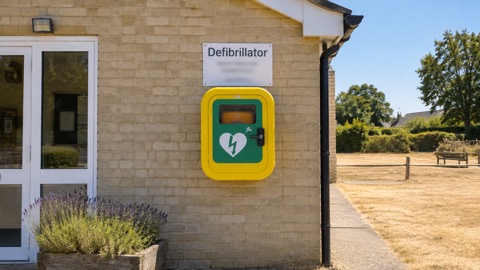
Members of the public performed CPR in over 70% of cases, but public-access defibrillators were used in fewer than one in 10 cases1. The British Heart Foundation said both figures represent an increase from 20212.
"Improving patient outcomes from OHCAO is a key priority for Resuscitation Council UK. We want to save more lives and reduce the devastating consequence of cardiac arrest for patients and their families."
Dr Christopher Smith, Clinical Lecturer at Warwick Medical School and Co-Chief Investigator of the OHCAO registry, said there is a need to better co-ordinate and implement community-based interventions such as bystander CPR and the use of public-access defibrillators1. Judy O'Sullivan, Director of Health Innovation Programmes at the British Heart Foundation, said quick CPR and defibrillation can be the difference between life and death, and that too many opportunities to help save a life are being missed2.
Why it matters for households
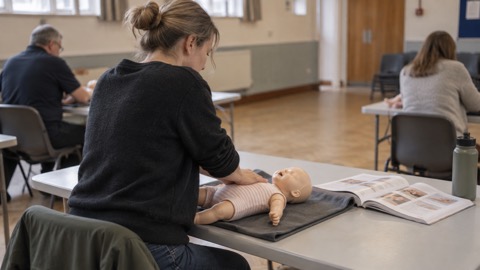
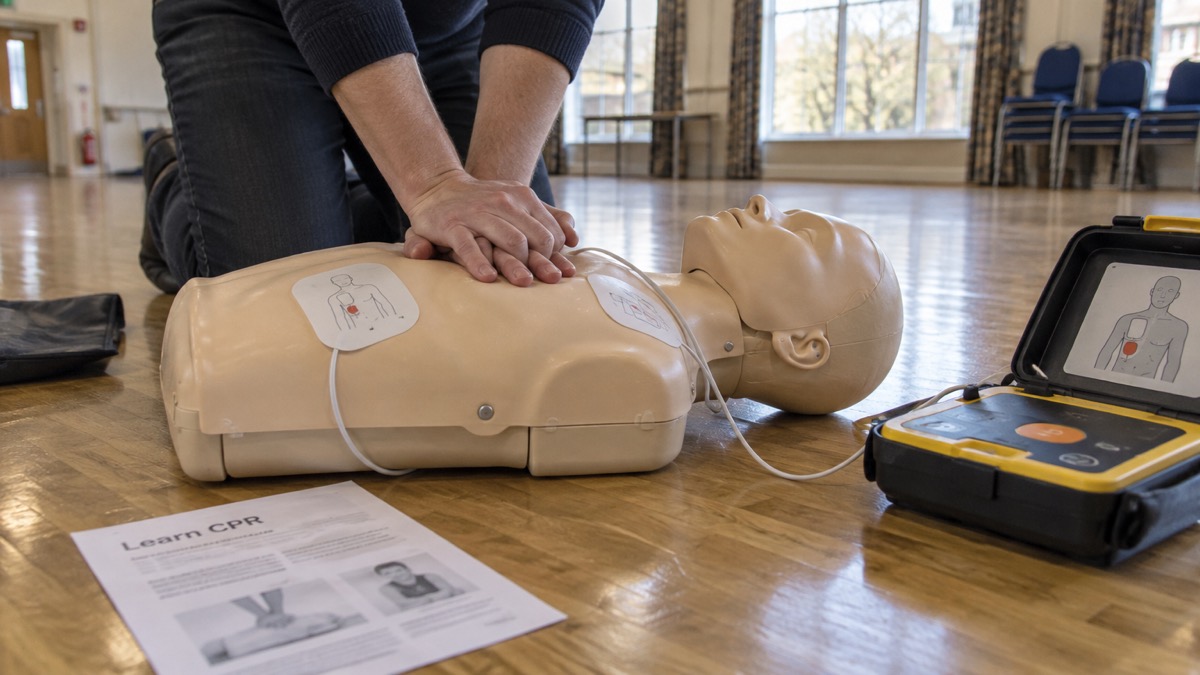
The data covers England and the calendar year 2022, and shows survival falling against the previous year2. Most cardiac arrests in the figures happened where people live rather than in public places, so the people present at the time are likely to be family members or others in the home1. The British Heart Foundation offers a free, interactive RevivR training tool that it says can teach CPR and how to use a defibrillator in 15 minutes2. Resuscitation Council UK points to its Lifesaver learning resource, available in a browser or as an iPhone and Android app, as a way to learn lifesaving skills1. The charity's guidance on recognising cardiac arrest and heart attack is set out in its Cardiac Arrest and Heart Attack: How to Tell Them Apart page, and broader guidance is in the first-aid hub.
What happens next
Resuscitation Council UK said it must now focus on addressing the disparities revealed in the data, boosting CPR awareness and advocating for wider public-access defibrillator utilisation1. Further information about the findings is available on the University of Warwick Clinical Trials Unit website1. No further publication dates or service changes have been reported.