The Child Accident Prevention Trust (CAPT) reported on 11 May 2022 that the Healthcare Safety Investigation Branch (HSIB) had published a report following its independent investigation into the death of a three-year-old who swallowed a button battery1. CAPT said the report found that too few parents know about the dangers posed by these products, or how to manage the risks1.
The HSIB makes recommendations in three key areas: public awareness, product safety and clinical decision-making1. CAPT said it has been working on button battery safety for the last five years and, as part of the public awareness work identified in the report, is now working with the Office for Product Safety and Standards (OPPS) and the British and Irish Portable Battery Association (BIPBA)1. A new national safety campaign has been launched, with supporting publicity from CAPT and other tools for parents and professionals1.
CAPT set out the mechanism of injury in its account. It said children between 1 and 4 often put things they find in their mouths, and that when a button battery, particularly a powerful 3V lithium coin cell, gets stuck in a small child's food pipe, it can burn a hole inside the body and cause serious internal bleeding and death1.
"A report by the Healthcare Safety Investigation Branch (HSIB) has been published following its independent investigation into the death of a three-year-old who swallowed a button battery."
CAPT said it has updated its safety advice and its safety flyer using insights from the HSIB report, and has produced a downloadable poster, "Button batteries: where are yours?", and a downloadable session plan for professionals and community organisations working with parents and families1. It also linked to the full HSIB report and to the HSIB's recommendations1. CAPT referred readers to a Westminster Hall Parliamentary debate held on 9 July on the safety of electrical products and consumer protection, including for online sales1. The year of that debate is not stated in the text; the Hansard link it gives is dated 20191.
Why it matters for households
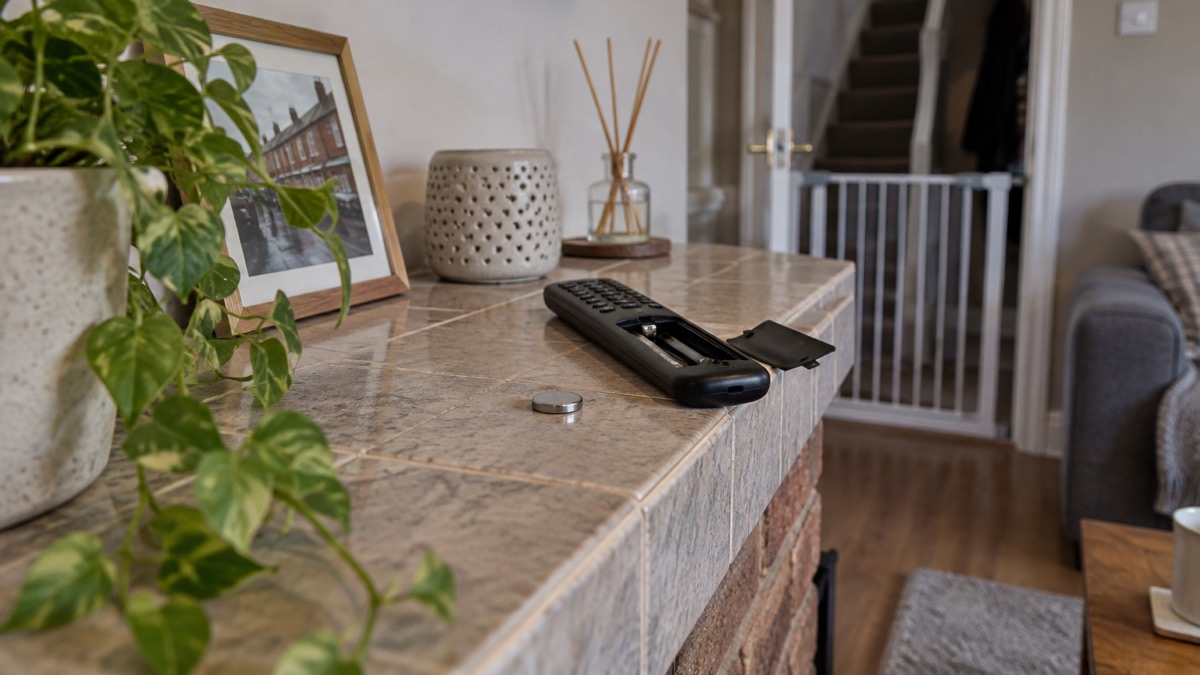
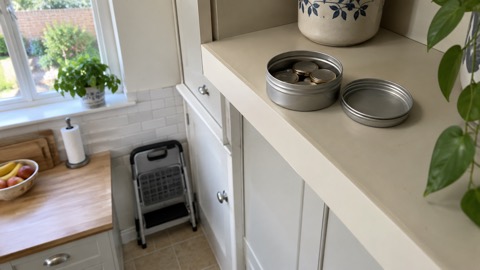
The report concerns a hazard found in many homes: button batteries, including the 3V lithium coin cells CAPT describes as particularly dangerous to young children1. CAPT's account is that the risk arises when a battery becomes stuck in a small child's food pipe, and that too few parents are aware of the danger or of how to manage it1. The campaign it describes is aimed at parents, professionals and community organisations working with families, and CAPT has published a poster showing where button batteries may be found in the home and a session plan for staff raising awareness with parents1. Households with young children, and anyone who looks after children aged 1 to 4, are the group the material addresses1. Our guide on flat button batteries covers the hazard, and the health emergencies hub covers wider household health alerts.
What happens next
The HSIB report and its recommendations have been published, and CAPT says it has updated its safety advice and flyer in response1. CAPT describes the national safety campaign as already launched, with publicity from CAPT and tools for parents and professionals1. No further dates are given in the material.
 Flat Button Battery Dangers