The final reports of the reviews into the response to Storm Arwen were published on 9 June 2022, setting out actions to improve the resilience of electricity networks for future extreme weather events1. The review was carried out by the Department for Business, Energy and Industrial Strategy (BEIS) and the Office of Gas and Electricity Markets (Ofgem), alongside a review by the County Durham and Darlington Local Resilience Forum (CDDLRF)1. Three distribution network operators (DNOs) agreed to pay an additional £10.28 million to consumers1.
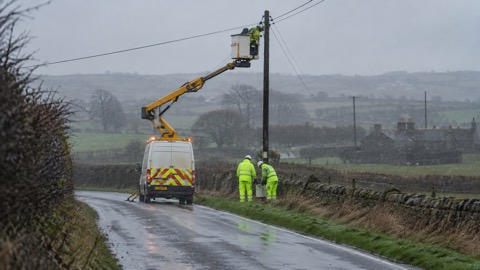
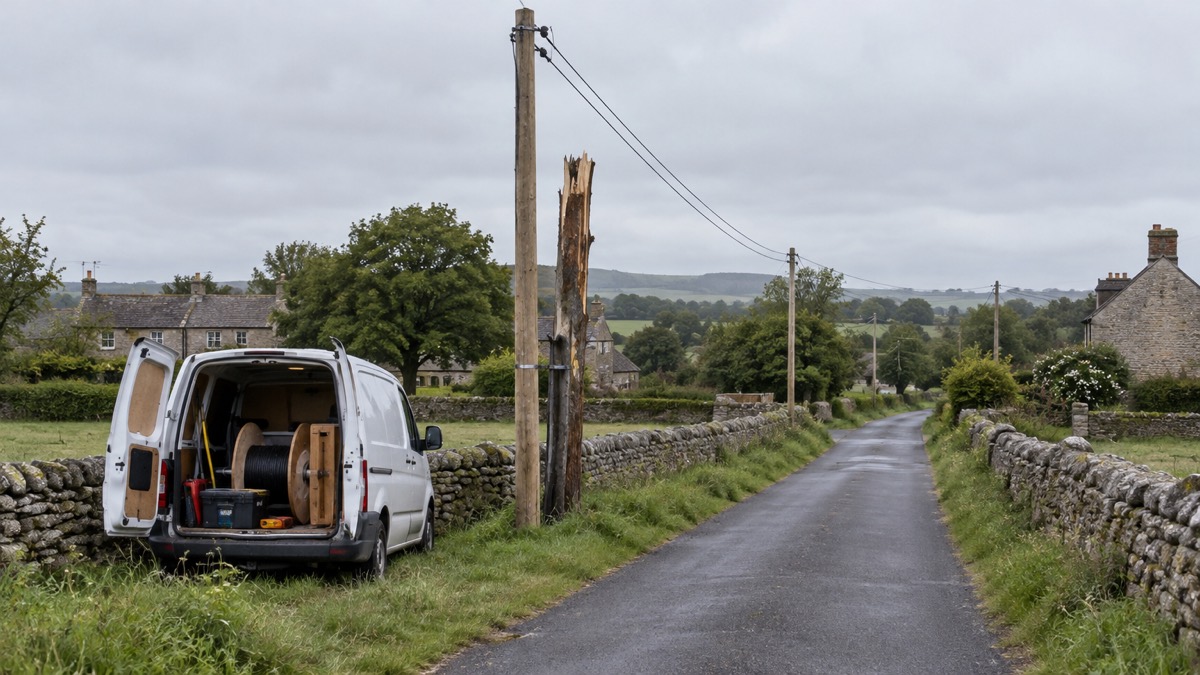
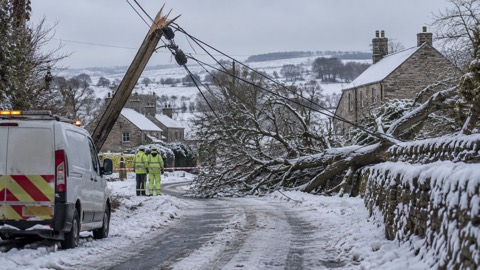
Storm Arwen hit the north of the United Kingdom on the afternoon of Friday 26 November 2021 and that night caused extensive damage across northern England1. More than one million homes lost power as falling trees and poles brought down power lines, with over 100,000 homes experiencing several days without power1. The strong winds also caused structural damage to buildings and transport was disrupted, with rail services cancelled, roads blocked by fallen trees and overturned vehicles, and snow accumulations across the Pennines1.
In County Durham, the electricity distribution network proved to be particularly susceptible to storm damage. Over 14,890 utility customers were affected by a loss of power, and many residents were without power for several days before power was restored to all properties on Thursday 9 December 20211. County Durham was one of four major incidents declared in response to the storm: Cumbria on 26 November, North East Scotland on 29 November and Northumberland on 3 December1. The council submitted a request for Military Assistance to Civil Authorities (MACA), which was approved by the Department for Levelling Up, Housing and Communities (DLUHC) on Thursday 2 December1. From the morning of Friday 3 December, more than 100 troops from the Royal Lancers operated from two bases in the county to help with checks on isolated residents and vulnerable people and to distribute food and support packages1.
The council's own review recorded that over 5,000 visits were made to check on vulnerable residents, 330 emergency support packs containing heaters, stoves, torches, batteries and other emergency items were issued, and 41 visits by mobile catering units were made to 11 localities between 1 and 8 December, with 14 households placed in emergency alternative accommodation1.
"The final report was published on 9 June 2022 and included a range of actions to improve the resilience of electricity networks for future extreme weather events."
Why it matters for households
The reviews concern households that depend on the electricity distribution network, particularly in northern England, where Storm Arwen caused the most extensive damage1. The reports set out actions to improve network resilience for future extreme weather, and the three DNOs' additional payment of £10.28 million to consumers is a dated commitment recorded in the review1.
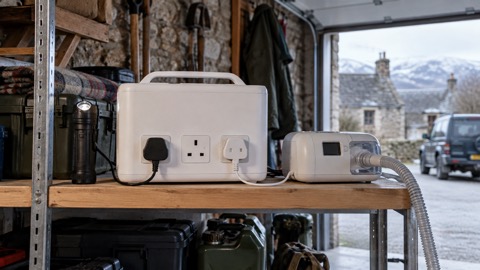
The council's review noted that Ofgem's Quality of Service Guaranteed Standards allow network operators up to 48 hours to reconnect customers before customers are entitled to compensation for inconvenience and costs, and that this tends to set the timeframe for when utility companies ramp up community welfare response1. The review found that some members of the community expect more immediate support and action in the event of power outages1. It also identified the need to clarify the respective roles and responsibilities between utility companies and local responders in relation to welfare support and response, and when this should happen1. The review recorded the need to continue to provide advice to households on how they can prepare for incidents such as power outages1.
What happens next
The council's Cabinet was recommended to approve an improvement plan covering community resilience, emergency planning and training, emergency response resources, communication and information sharing, the activation of council staff during an incident, and decision making and governance1. It was also recommended to agree to support the expansion of community resilience support across the county and improved training for elected Members and officers on emergency planning, and to share the report with Northern Powergrid and the LRF to inform their own reviews and multi-agency planning1. The council's review records that the multi-agency responses to subsequent incidents, Storms Malik/Corrie and Dudley/Eunice, had improved with immediate lessons learnt from Storm Arwen1.
Households wanting to understand what happened during Storm Arwen and what changed can read the guide to Storm Arwen 2021. For how storms affect the network and how to get ready, see storms and the electricity network, and for the wider subject see the power cuts hub and the storms and snow hub. The guide on how Britain's electricity network is run explains the role of the distribution operators, and checking a caller from the electricity network is genuine covers verification of contact during an outage.
Sources (1)
- democracy.durham.gov.uk, democracy.durham.gov.uk
 Storm Arwen 2021
 Storms and the Electricity Grid