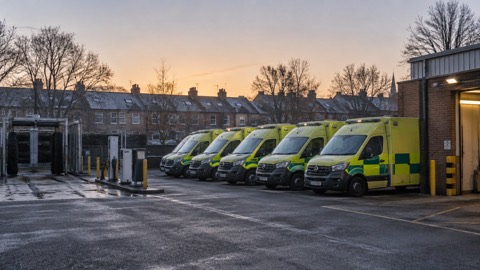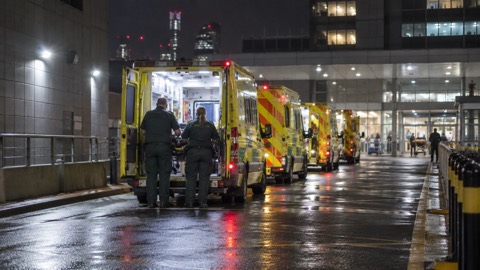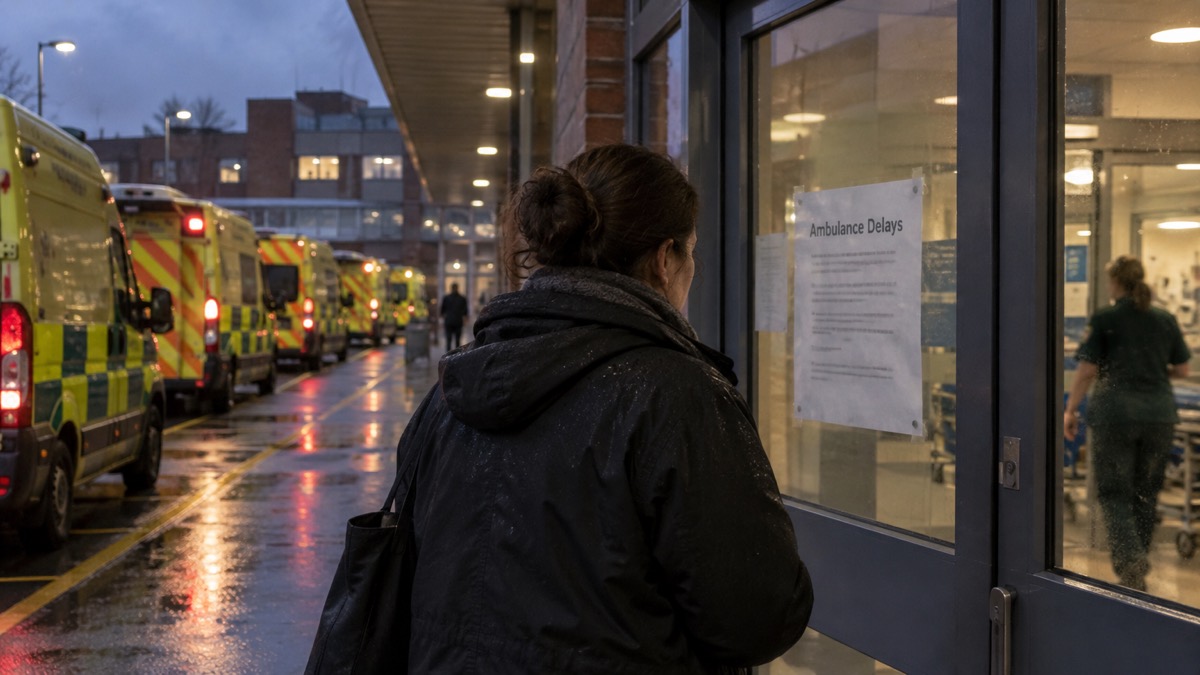
Average ambulance response times for category 2 calls, which include suspected heart attacks and strokes, were 47 minutes in December 2024, up from 42 minutes in November, according to NHS England data reported by the British Heart Foundation1. This breached the NHS England average response target for category 2 calls of 30 minutes for 2024/251. Before the pandemic, the target for these calls was an average of 18 minutes; it was relaxed because of pressure on the NHS and long delays1.
Every mainland ambulance service breached the revised 30-minute target, and the worst average response time in December 2024 was in the East Midlands at 66 minutes1. The figures also cover cardiac waiting lists. The heart care waiting list stood at 420,589 in November 2024, down from 420,945 in October, but the proportion waiting over 18 weeks for time-sensitive cardiac care remained at 40%1. The number waiting over four months for time-critical cardiac care rose to 169,620 in November from 169,280 in October, and those waiting over a year rose to 9,885 from 9,3961.
Dr Sonya Babu-Narayan, Clinical Director at the British Heart Foundation, said:
"Heart attacks and strokes are life-threatening emergencies. With each minute lost, the risk increases of permanent brain or heart damage and even death. We cannot accept such dangerous ambulance wait times as a new normal."
She added: "If you experience the symptoms of a heart attack, please don't hesitate in phoning 999. It's still the best thing to do and it could save your life."1 The charity states that the longer people wait for treatment, the higher their risk of becoming disabled from heart failure or dying prematurely1.
| Measure | Latest figure | Previous month |
|---|---|---|
| Average category 2 response time | 47 minutes (December 2024) | 42 minutes (November 2024) |
| Worst average response time | East Midlands, 66 minutes (December 2024) | Not reported |
| Heart care waiting list | 420,589 (November 2024) | 420,945 (October 2024) |
| Waiting over 18 weeks for time-sensitive cardiac care | 40% (November 2024) | Not reported |
| Waiting over four months for time-critical cardiac care | 169,620 (November 2024) | 169,280 (October 2024) |
| Waiting over a year for cardiac care | 9,885 (November 2024) | 9,396 (October 2024) |
Why it matters for households
The figures apply to England, and every mainland ambulance service missed the 30-minute average target in December 20241. For a household dealing with a suspected heart attack or stroke, the reported average wait is longer than the target, and in the East Midlands the average was more than double it1. The British Heart Foundation's advice remains to phone 999 for heart attack symptoms, with its Clinical Director saying it "could save your life"1. How call handlers prioritise different 999 calls is set out in the guide on how ambulance services prioritise 999 calls and response times; general preparation for health emergencies is covered in the health-emergencies hub and the first-aid hub.
What happens next
The British Heart Foundation reports that the Government published a plan to tackle waiting lists in the week before its 9 January 2025 article, which the charity welcomed, and it is calling for a Heart Disease Action Plan covering cardiovascular prevention, emergency treatment and elective heart care1. No further dates for ambulance response performance have been reported.
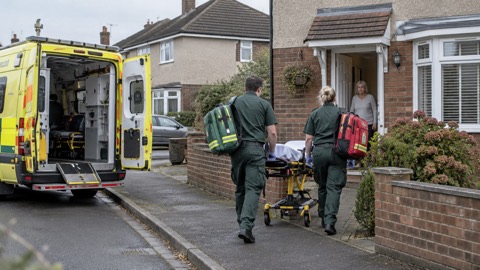 Ambulance 999 Response Times