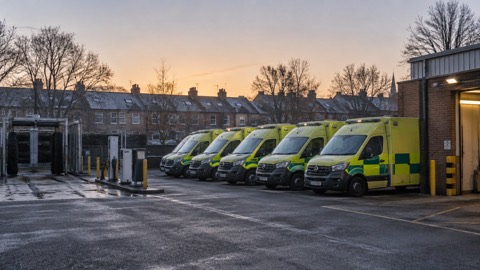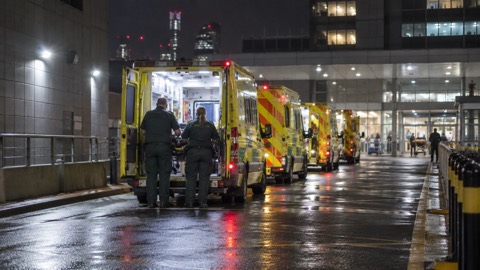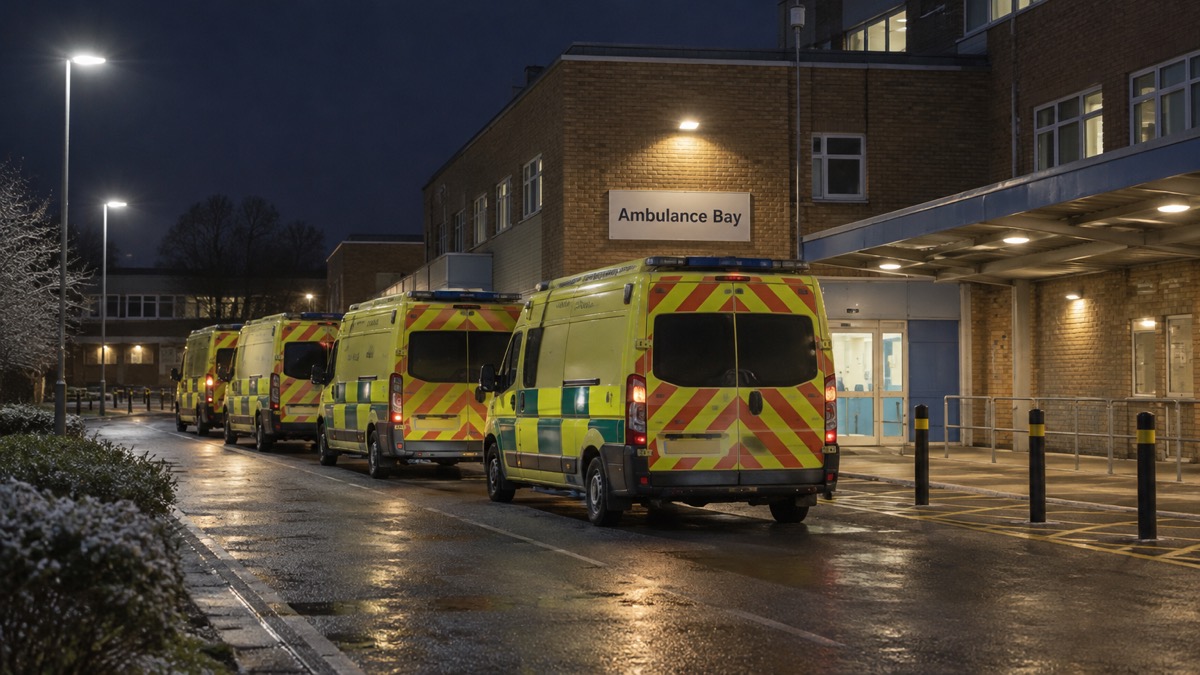
Average ambulance response times in England for category 2 calls, which include suspected heart attacks and strokes, were 46 minutes in December, up from 39 minutes in November, according to NHS figures reported by the British Heart Foundation on 11 January 20241.
The December figure is more than double the official target of 18 minutes for category 2 calls1. NHS England and the Government have set a new average target of 30 minutes for 2023/24, which has been met in just one month since April 20231.
Separate NHS England figures published the same day showed the number of people on cardiac waiting lists in England fell to 402,028 at the end of November 2023, a decrease of 4,667 on the previous month1. The heart care waiting list is still 72 per cent larger than in February 2020, an increase of 169,000 people1.
Other figures for the end of November include:
| Measure | End of November 2023 | Comparison |
|---|---|---|
| People on cardiac waiting lists | 402,028 | Down 4,667 on October; up 72 per cent on February 2020 |
| Waiting over four months for heart care | 156,400 | Down from 159,312 at end of October 2023 |
| Waiting over a year for time-critical heart tests and treatments | 11,400 | Down from 12,778 in October; 28 in February 2020 |
Well over a third (39 per cent) of all people on waiting lists for cardiac care are waiting over 18 weeks for care1.
Dr Sonya Babu-Narayan, Associate Medical Director at the British Heart Foundation, said:
"Every minute lost increases the risk of permanent brain or heart damage, and even death. That's why it is so dangerous that average ambulance response times rose again this December."
She added: "If you experience the symptoms of a heart attack, please don't hesitate in phoning 999. It's still the best thing to do and it could save your life."1
Why it matters for households
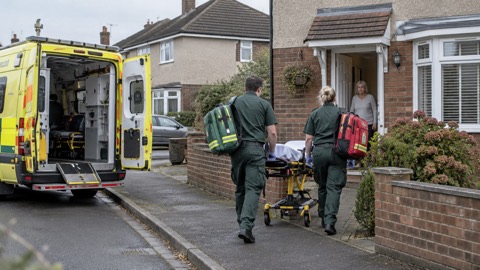
The figures cover England and the month of December, as reported in January 20241. They concern category 2 calls, the category that includes suspected heart attacks and strokes, so the waiting times described apply to households calling 999 with those symptoms1. The British Heart Foundation states that the longer people wait for treatment, the higher their risk of becoming disabled from heart failure or dying prematurely1. Its advice for anyone experiencing the symptoms of a heart attack is to phone 999 without hesitation1. How ambulance services prioritise 999 calls and set response times is set out in the guide on how ambulance services prioritise 999 calls and response times; wider background is in the health emergencies hub and the first aid hub.
What happens next
The 30 minute average target for 2023/24 has been met in only one month since April 2023, and no further dates for improvement have been reported1.
 Ambulance 999 Response Times