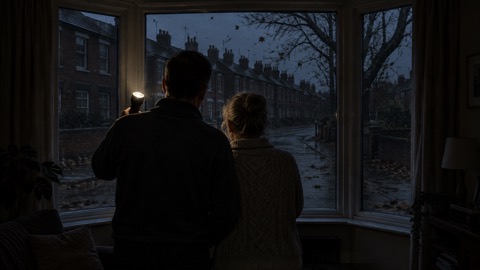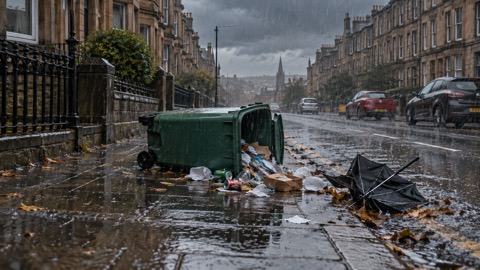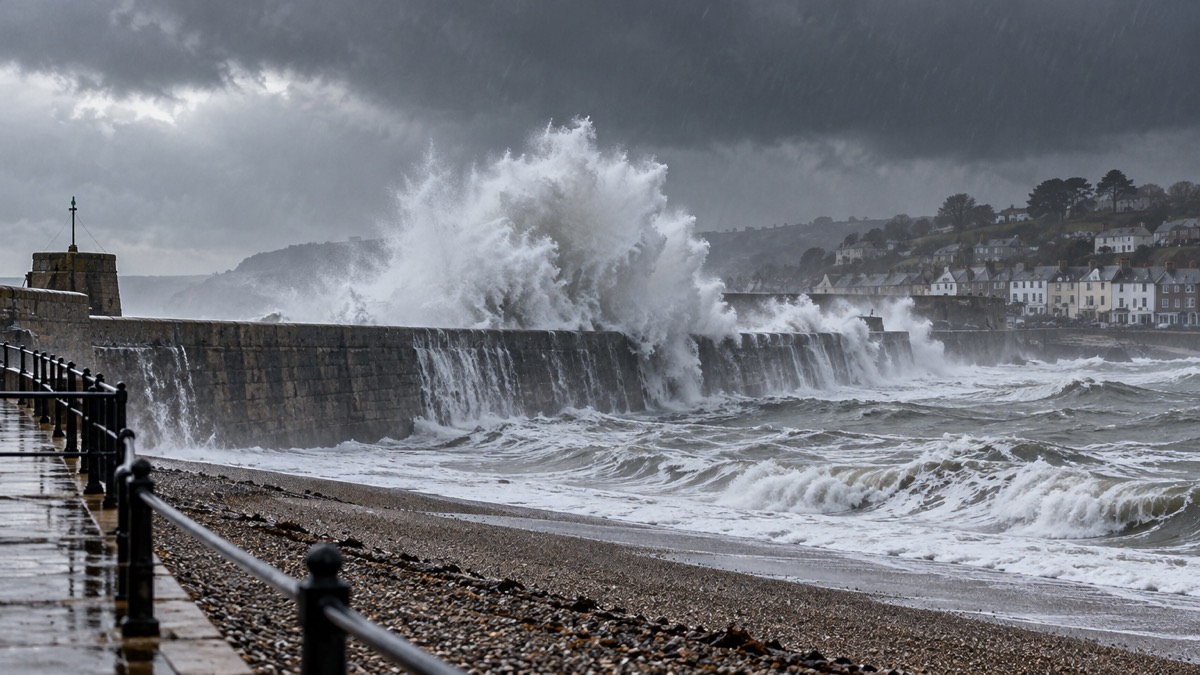
Three named storms affected the UK within the space of a week in February 2022, the first time this has occurred since storm naming was introduced in 2015/20161. The Met Office, based in Exeter, is the national meteorological service for the UK1. The three storms were Dudley, Eunice and Franklin2.
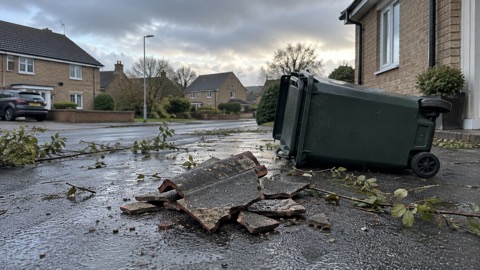
Dudley and Eunice were named on 14 February, the first time that two storms have been named at once since the storm naming scheme began in 20152. Dudley affected the UK on 16 to 17 February, Eunice on 18 February and Franklin on 20 to 21 February2. The Met Office records that the week brought two red weather warnings and some of the highest wind speeds recorded in over 30 years2. A gust of 122mph was recorded at Needles Old Battery on the Isle of Wight, setting a new England gust speed record, and winds gusted widely at over 69mph across southern England2. The Met Office describes Eunice as the most severe and damaging storm to affect England and Wales since February 2014, with winds gusting at over 80mph in exposed coastal locations and 77mph at Boscombe Down1. The National Audit Office reports that more than 370 properties were affected, mainly by river flooding3. The British Red Cross states that high winds and floods damaged homes and businesses and resulted in the loss of lives, without giving a figure6.
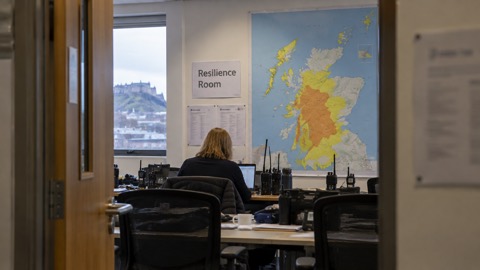
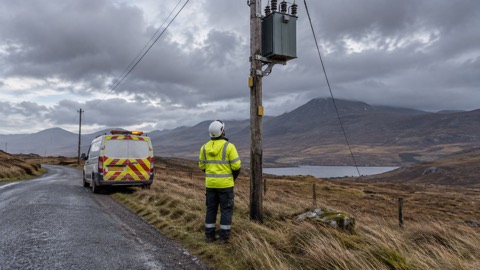
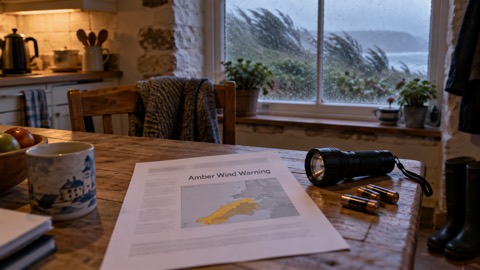
On 17 February a Met Office advisor attended a Wiltshire and Swindon Local Resilience Forum pre-event assessment teleconference, communicating the forecast for Eunice and the amber wind warning in place across the area1. On the day of the storm, Wiltshire Council reported over 600 incidents and Dorset and Wiltshire Fire and Rescue Service received over 300 emergency calls, with widespread damage to buildings across Wiltshire, some reported injuries, many road closures, fallen trees and power lines pulled down1. Scottish and Southern Electricity Networks, which delivers power to over 3.8 million homes and businesses across central southern England and the north of Scotland, described Eunice as the worst storm to hit its central southern operating area in over 30 years4. Age UK said the storms left tens of thousands of people without power and others facing flooding, with further disruption from strong winds and flooding on the Monday, particularly in the north of the country8.
"Three storms (Dudley, Eunice and Franklin) were named in the one week in February 2022, with two red weather warnings and some of the highest wind speeds we've seen recorded in over 30 years."
The 2021/22 season saw six storms named over the year2. A rare red warning for wind for coastal areas on the east coast of Scotland and the northeast of England was issued for Storm Arwen, the first storm of the season, with the highest gust recorded at Brizlee Wood in Northumberland at 98mph2.
| Storm | Named | Impact on UK and/or Ireland |
|---|---|---|
| Arwen | 25 November 2021 | 26 to 27 November 2021 |
| Barra | 5 December 2021 | 7 to 8 December 2021 |
| Malik | 28 January 2022 (named by DMI) | 29 January 2022 |
| Corrie | 29 January 2022 | 30 to 31 January 2022 |
| Dudley | 14 February 2022 | 16 to 17 February 2022 |
| Eunice | 14 February 2022 | 18 February 2022 |
| Franklin | 20 February 2022 | 20 to 21 February 2022 |
Source: Met Office2
Why it matters for households
The week brought power cuts, flooding, road closures and travel disruption across large parts of the UK1. Age UK reported that the storms were especially difficult for older people who are unwell, causing anxiety and distress and in some cases putting their health and wellbeing at real risk8. Age UK's research found that 2.1 million older people (13%) say they need more support during the winter months, 1.5 million (9%) say they struggle to stay warm and 3.9 million (24%) say they feel more lonely in the winter months8. Age UK asked the public to look out for older family members, neighbours and friends, suggesting staying in touch by phone or online chat, offering a hand around the home or collecting shopping or medication, and giving out its advice line number, 0800 169 65 65, and The Silver Line Helpline, 0800 4 70 80 908. It advised households to keep an eye on the weather forecast, monitor flood risk through TV and local radio and the Environment Agency's Floodline Warnings Direct service on 0345 988 1188, and call 105, a free number, for information during a power cut8. It also advised writing down or printing emergency contact numbers, checking on older neighbours and relatives who live alone or are ill, and signing up to the energy distributor's Priority Services Register8. The Met Office's Civil Contingency Advisor Team, formed in 2005 and grown from 6 to 22 people, has a member on call 24/7 to keep the emergency response community informed of upcoming severe weather1. The Met Office became a Category 2 responder on 27 February 20231. Its advisors work with the Flood Forecasting Centre, a partnership between the Environment Agency and the Met Office, which forecasts for river, surface water, tidal and groundwater flooding, giving lead time for responders to prepare and act in England and Wales1. The British Red Cross reports that only one in four (25 per cent) UK adults living in high social flood risk areas have a good understanding of the flood risk in their area7. Its guidance notes that residents in England, Scotland and Wales can sign up for flood warnings, but there is no option to sign up in Northern Ireland, where the advice is to listen to local weather, news and travel bulletins on radio and TV7. For background on preparing for high winds and snow, see the guide to storms, snow and ice, and for how names are chosen, see named storms.
What happens next
The Met Office states that, as the UK climate changes, there is medium confidence that winter windstorms will increase slightly in number and intensity over the UK, including disproportionately more severe storms1. It says it is involved in and leading research and development of UK climate projections and numerical weather prediction models, and is looking to evolve the way it warns responders and the public, including through surveys and Met Office Responder Workshops1.
Sources (8)
- Spotlight on Civil Contingencies at the Met Office - Case Studies - Wiltshire & Swindon Prepared, wiltshireandswindonprepared.org.uk
- UK storm season 2021/22 - Met Office, weather.metoffice.gov.uk
- Resilience to flooding - NAO report, nao.org.uk
- Looking back at Storm Eunice - SSEN, ssen.co.uk
- Community resilience is vital for future heatwaves, Communities Prepared, communitiesprepared.org.uk
- assets.redcross.org.uk, assets.redcross.org.uk
- assets.redcross.org.uk, assets.redcross.org.uk
- Age UK calls on everyone to look out for their older family members, neighbours and friends following the three recent storms, ageuk.org.uk
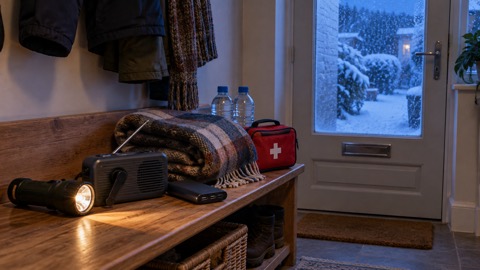 Snow and Ice Household Guide
 How Storms Are Named