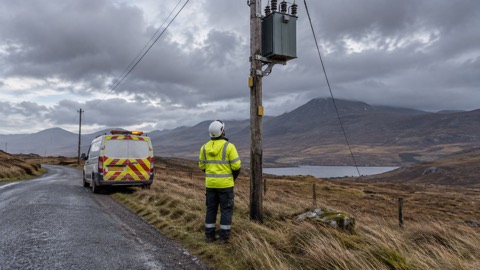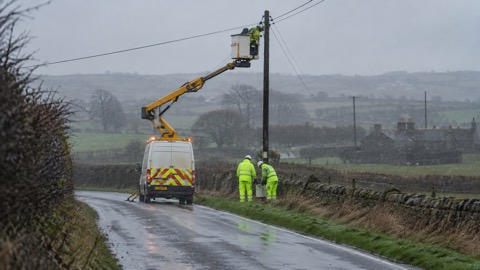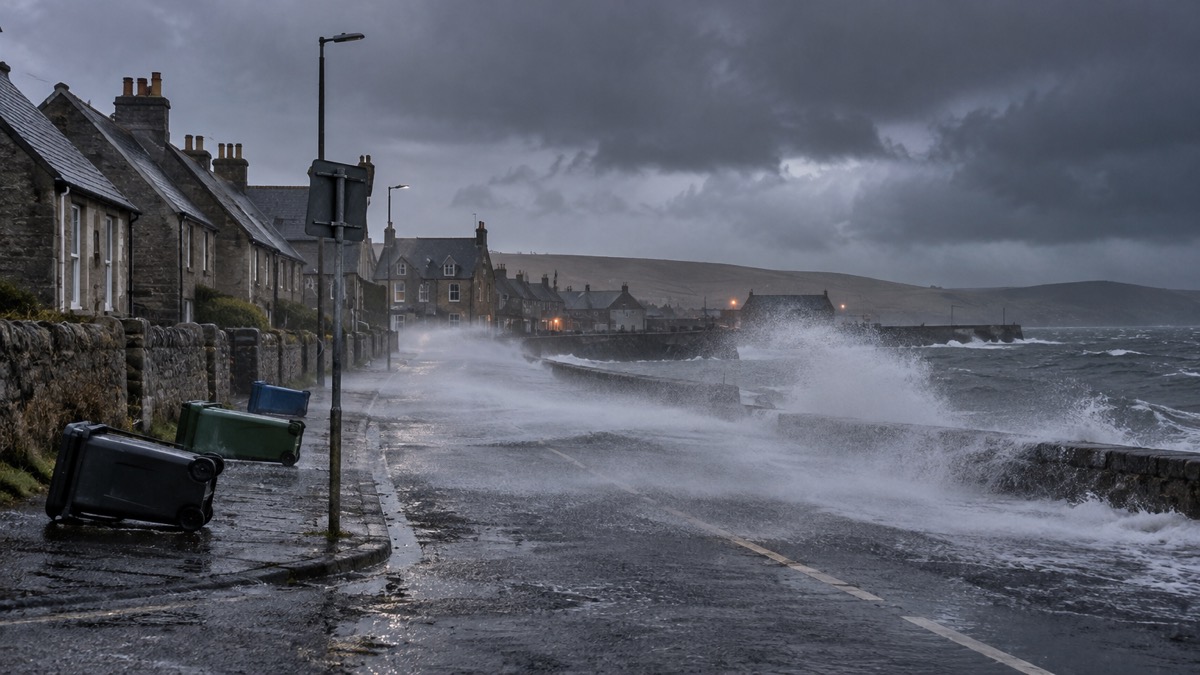
Storm Éowyn left households without electricity for days, including in Shetland, according to the Government's account of recent disruption. The storm was referred to in the House of Commons on 8 July 2025 by the Chancellor of the Duchy of Lancaster, Pat McFadden, as he set out the Government's resilience action plan, a chronic risk analysis and an update on the UK biological security strategy1.
The plan sets out spending and programmes intended to reduce the effect of hazards on infrastructure and services. McFadden said the Government is "earmarking £4.2 billion of funding for new flood defences" and "£370 million to secure the UK's telecoms networks", and is "opening a new resilience academy in North Yorkshire that will train 4,000 people every year from the private and public sectors"1. He described the plan as focused on three areas: assessing resilience continuously, enabling the whole of society to take action, and improving core public sector resilience1.
On power and communications, the statement listed risks including "cyber-attacks on household names" and "power outages" among those the country faces1. It also referred to a "new cyber-resilience index that highlights the critical national infrastructure at greatest risk", and said the National Audit Office "has identified 58 key Government systems that have substantial cyber-resilience gaps"1. McFadden said the emergency alert system "has been used a few times in live scenarios, in two storms that posed a real risk to life during last winter and in one or two more localised situations"1.
"Today we set out how we will do that with the publication of our resilience action plan, a chronic risk analysis and an update on the UK biological security strategy."
The statement gave these figures for the measures it described:
| Measure | Figure given |
|---|---|
| Funding for new flood defences | £4.2 billion1 |
| Funding to secure UK telecoms networks | £370 million1 |
| Resilience academy training places, North Yorkshire | 4,000 people a year1 |
| Government systems with substantial cyber-resilience gaps (National Audit Office) | 581 |
| Mobile phones to receive the national alert test | 87 million1 |
Why it matters for households
The statement confirms that power outages and storms are treated as risks to be planned for at national level, and that money is allocated to flood defences and to the telecoms networks that carry alerts and calls1. For households, the practical points reported are the use of the emergency alert system in live storm scenarios last winter, and the plan's stated aim of "a more informed public that knows what to do in order to prepare for different emergencies"1. The statement does not give a timetable for the flood defence or telecoms funding, and no date has been reported for when the Shetland supply was restored or how many properties were affected. The background to storm related failures and restoration is set out in our guides to storms and the electricity network and how long until the electricity comes back; the wider causes of supply loss are covered in why the electricity goes off.
What happens next
McFadden said a nationwide test of the UK emergency alert "will take place at around 3 pm on Sunday 7 September 2025", involving "a notification going out to 87 million mobile phones at once", lasting "for around 10 seconds", and that it "will be the second time we have used the test on a nationwide basis"1. He said the Government would work with stakeholders, including domestic violence charities, "to ensure that the public has as much warning as possible", and would promote the Government's "Prepare" website1. He also said "Exercise Pegasus has not happened yet; it will happen in the autumn"1.
Sources (1)
- Government Resilience Action Plan - Hansard - UK Parliament, hansard.parliament.uk
 How Long Until Power Returns
 Storms and the Electricity Grid
 Why the Electricity Goes Off