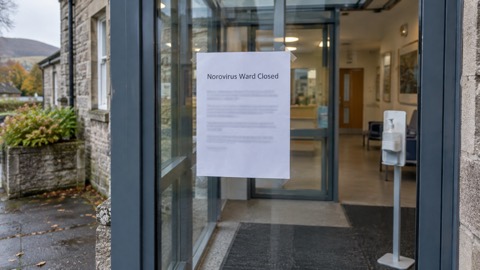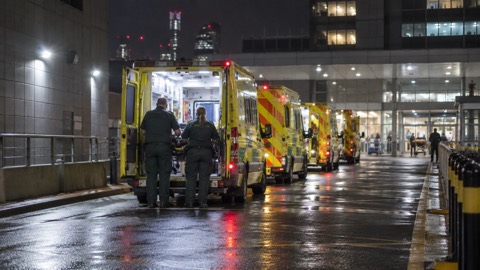
Royal College of Nursing members in more than 100 NHS organisations began strike action at 8pm on 30 April 2023, running until midnight at the end of Monday 1 May, in what NHS England described as the widest nursing strike to face the NHS so far1. NHS England said positive discussions with the RCN over the weekend had resulted in national agreements on safety critical mitigations1.
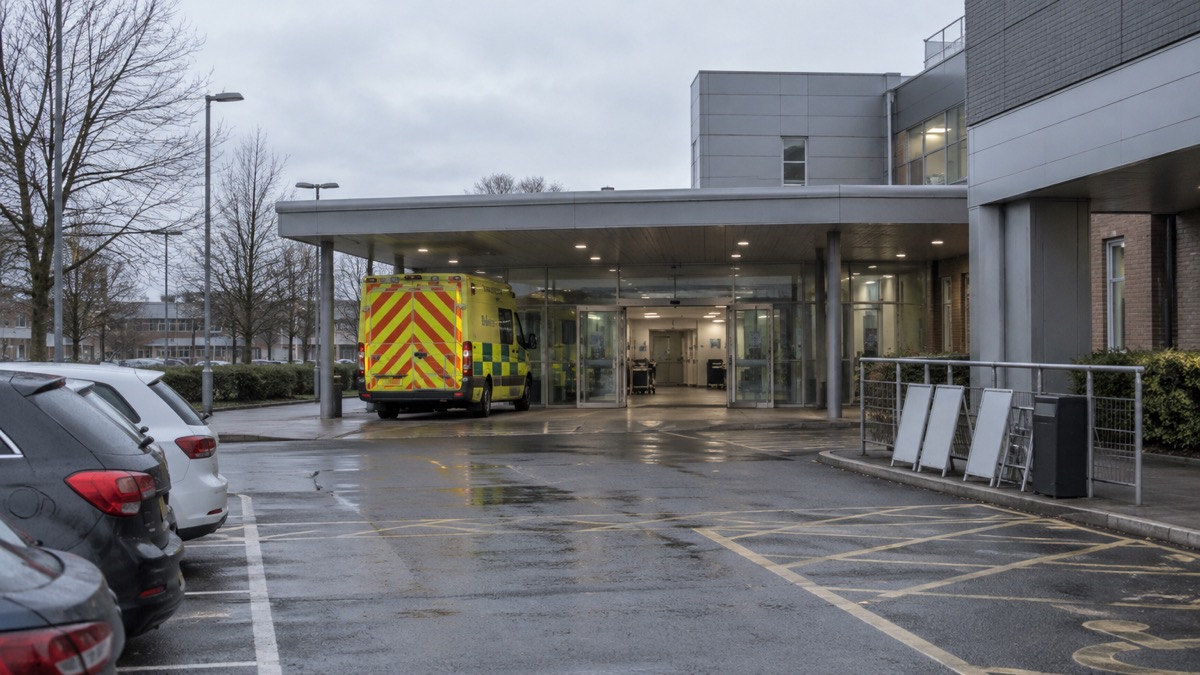
The agreements cover staff able to provide the direct patient care needed to protect life-and-limb services, specifically neonatal intensive care, paediatric intensive care, intensive care and emergency departments1. NHS England warned that patients can still expect disruptions and delays to services over the strike period1.
Dame Ruth May, Chief Nursing Officer for England, said the mitigations did not amount to normal staffing and that the industrial action would still have a very significant impact on services1.
"These mitigations do not represent a return to standard staffing. The industrial action will still have a very significant impact on services during the strike period and patients can expect to see longer waits for care."
NHS England directed people needing non-urgent care to use pharmacies and 111 online as their first port of call, and said those with a life-threatening emergency should seek help in the usual way by dialling 9991.
| Service area covered by safety critical mitigations | Status reported |
|---|---|
| Paediatric intensive care | Staff able to provide direct patient care to protect life-and-limb services1 |
| Intensive care | Staff able to provide direct patient care to protect life-and-limb services1 |
| Emergency departments | Staff able to provide direct patient care to protect life-and-limb services1 |
Why it matters for households
The strike affects more than 100 NHS organisations across the country from 8pm on 30 April to midnight at the end of Monday 1 May1. NHS England states that services will still be disrupted and waits longer despite the mitigations, so households using NHS care in that window should expect delays1. The NHS advises that people needing non-urgent care use pharmacies and 111 online first, and that life-threatening emergencies are handled in the usual way by dialling 9991. For wider context on health emergencies and how to prepare, see the health emergencies hub.
What happens next
The strike period ends at midnight at the end of Monday 1 May1. NHS England said discussions with the RCN were positive and ongoing at the time of publication, and that it continues to support all nurses, those who work and those who take industrial action1. No further dates or details of subsequent agreements have been reported1.