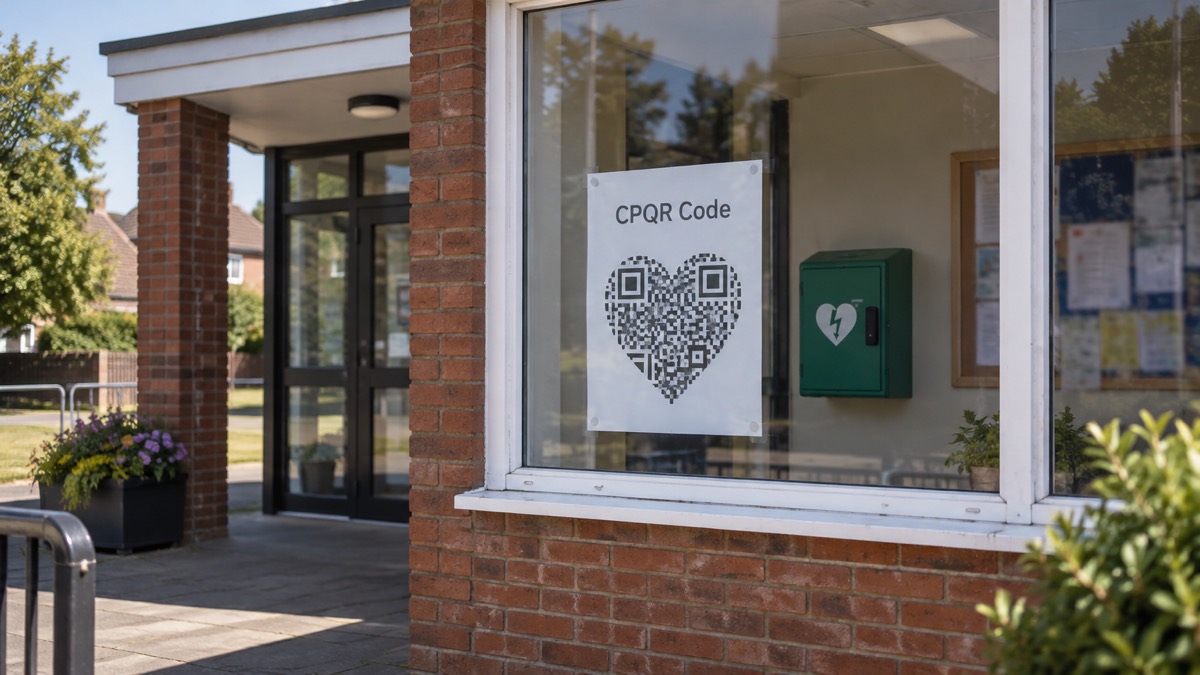
Resuscitation Council UK (RCUK) announced on 12 August 2022 a new symbol intended to encourage more people to learn CPR. The charity said it has created the "CPQR code", a heart shaped QR code that directs people to a short video on how to do CPR1.
RCUK said the code is designed as an icon that anyone can use to raise awareness of learning CPR, comparing it to the pink ribbon or the Remembrance Poppy1. It is urging organisations to put the code on their products, media owned channels and social channels, with the aim of making it a universal code accessible to all1. The charity said CPR takes less than two minutes to learn1.
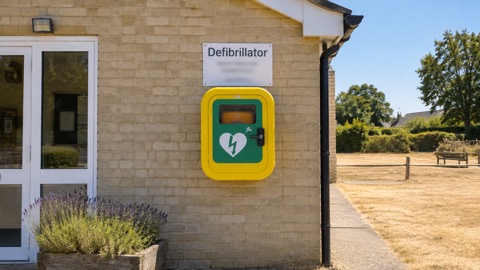
The announcement set out the scale of the problem the code is meant to address. RCUK said 80 per cent of cardiac arrests happen at home, and that there are more than 30,000 out-of-hospital cardiac arrests in the UK every year1. It said every minute without CPR and defibrillation reduces the chance of survival by ten per cent1. RCUK also said the incidence of sudden cardiac arrest is higher in poorer parts of the country, coupled with lower survival rates in those areas, and that training and access to defibrillators is key to addressing this1.
James Cant, Chief Executive at Resuscitation Council UK, said:
"When somebody goes into cardiac arrest they are clinically dead, and bystanders need to act quickly and confidently to give them the best chance of survival. This is why it's crucial that as many people as possible learn the very basics of CPR."
RCUK said that if someone is reluctant or unable to do rescue breaths, hands-only CPR will still give the person the same chance, and it urged members of the public to be confident to intervene1. Cant added that everyone in every community has a role to play in the chain of survival, whether by calling 999, doing chest compressions, locating a defibrillator, retrieving it or telling others what to do1.
Why it matters for households
Most cardiac arrests happen in the home, according to RCUK, so the people most likely to be present when one occurs are family members and others in the household rather than trained staff1. The code is intended to make the basic steps of CPR quick to reach: scanning it opens a short instructional video, and RCUK says learning CPR takes less than two minutes1. RCUK's position is that hands-only CPR, without rescue breaths, still gives the person the same chance where the rescuer is reluctant or unable to give breaths, and it urges members of the public to intervene1. The charity points to lower survival rates in poorer parts of the country alongside higher incidence of sudden cardiac arrest there, and says training and access to defibrillators are key1. Households wanting background on dealing with medical emergencies can read the site's first-aid hub.
What happens next
RCUK has asked organisations to display the CPQR code on products, media owned channels and social channels, with the stated aim of making it a universal code accessible to all1. The charity has directed people to its CPR page to access lifesaving CPR skills1. No date has been reported for any further phase of the campaign.