NHS England said on 14 December 2022 that people should continue to come forward for the care they need during industrial action, with 44 NHS trusts in England expected to be affected on the Thursday1. The call follows messaging issued by the NHS the previous week across NHS websites and social media telling patients that those needing urgent medical care should continue to come forward, especially in emergency and life-threatening cases1.
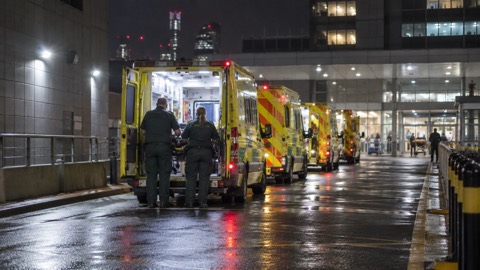
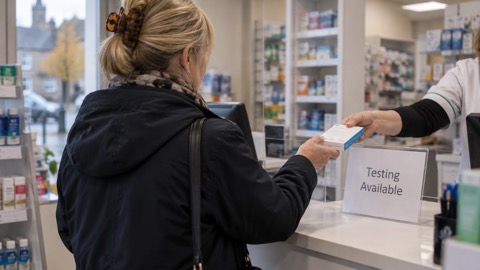
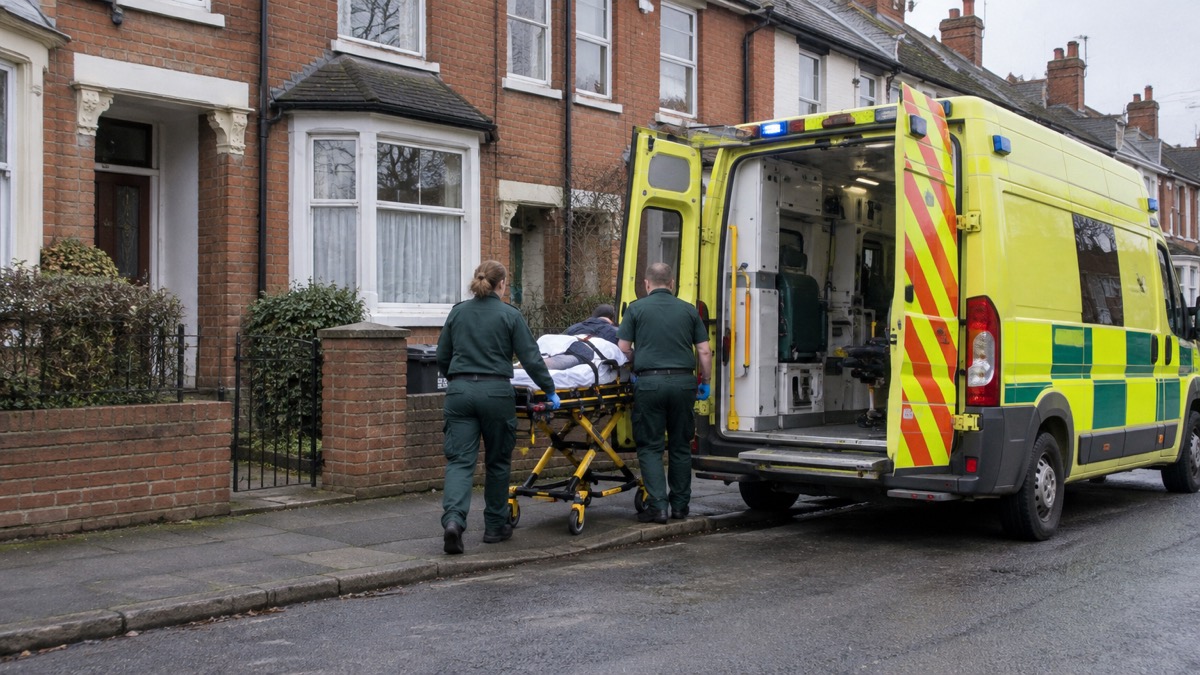
The NHS said it will contact anyone whose appointment has to be rescheduled because of the strikes, and that patients who have not been contacted should attend appointments as planned1. Patients should call 999 if it is a medical or mental health emergency, when someone is seriously ill or injured and their life is at risk, with ambulances prioritising situations with an immediate risk to life1. In non-life threatening situations, alternative support will be available through NHS 111 online or the NHS 111 phone line1. General practice, community pharmacies and dentistry are not impacted by the action, and pharmacies and GP services will be operating as normal1.
NHS Deputy Chief Nursing Officer Charlotte McArdle said:
"No one should hesitate in coming forward for emergency care tomorrow, it is vital anybody needing non-life threatening care should use 111 online and people should always call 999 in a life threatening emergency."
NHS Medical Director Professor Sir Stephen Powis said patients may see different types of staff striking on different days, or their local NHS services impacted on some days but not others, but the things patients should do to access NHS care remain the same1. He said people must call 999 in any life-threatening emergency during strikes as well as attending pre-booked appointments as planned unless they have been contacted by their local NHS for it to be rearranged1.
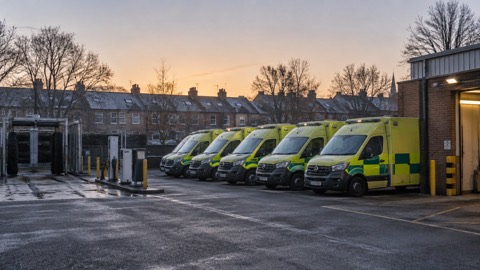
NHS England said the NHS has been preparing extensively for industrial action and for winter, with plans already in place to manage additional demand including 24/7 control centres, additional bed capacity, more mental health support for ambulance services and more community falls services1. Regional and national teams will support local areas needing further assistance on strike days to help coordinate responses1. Last month, NHS England issued guidance to local NHS employers on what derogations they should seek from local union representatives to ensure certain vital services such as chemotherapy continue1.
Why it matters for households
The disruption affects households in the areas of the 44 NHS trusts expected to be affected on the Thursday; the announcement does not list them1. The NHS advises that emergency and life-threatening cases should still go to 999, that non-life threatening situations should use NHS 111 online or the phone line, and that pre-booked appointments should be attended as planned unless the NHS has made contact to rearrange them1. General practice, community pharmacies and dentistry are not affected, and the NHS says patients should reach out to these local services as they normally would1. The announcement does not give the date of any further strike days beyond the Thursday, and no further dates have been reported here1.
What happens next
The NHS will contact anyone whose appointment has to be rescheduled because of the strikes1. Regional and national teams will support local areas on strike days1. Further information for the public on industrial action is published on NHS websites1.
Households can find general guidance on preparing for health emergencies in the guide to health emergencies.