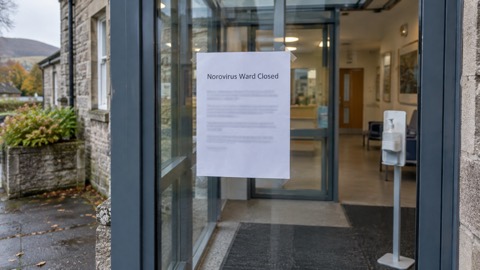
NHS England set out steps on 12 August 2022 to increase capacity and resilience ahead of the winter period, including through more bed availability and staff numbers1. The announcement said the plans would create the equivalent of 7,000 more beds through a mixture of new hospital beds, virtual ward spaces and initiatives to improve patient flow over the coming months1.
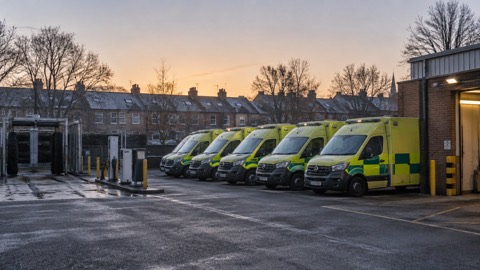
The package includes recruiting more call handlers so that at least 4,800 staff work in 111 and 2,500 in 999 call rooms, with a live 999 call answer dashboard and a target to answer calls in an average of 10 seconds1. NHS 111 services will automatically divert calls between trusts to improve call waits1. An extra £10 million will fund mental health services throughout the winter, and mental health professionals will be deployed in 999 call centres so that people experiencing a mental health crisis can be directed towards appropriate services1. GP services will be supported through the recruitment of extra social prescribing link workers and care co-ordinators1.
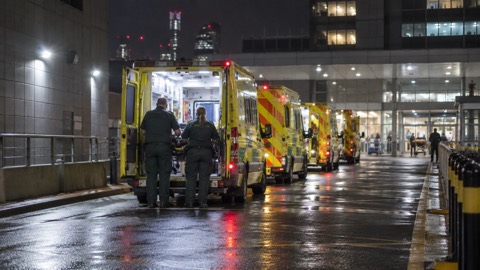
Official figures published the day before the announcement showed NHS staff dealt with 85,397 category 1 ambulance callouts in July, the highest number since records began and almost two thirds higher than July 2020 (51,771)1. The announcement said July had seen the highest number of category 1 ambulance callouts since records began, and that June had been the busiest summer ever for NHS emergency departments, with 2.18 million A&E attendances and almost 900,000 999 calls answered1. It also said only 40% of patients were able to leave hospital when they were ready to in July, and that over 8,300 patients with COVID were in hospital at the time1.
"Winter is always a busy period for the NHS, and this is the first winter where we are likely to see combined pressures from COVID and flu, so it is right that we prepare as early as we can for the additional demand that we know we will face."
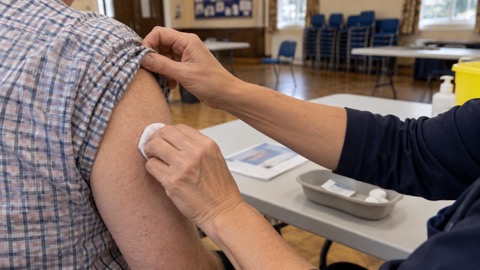
The announcement also said the NHS had virtually eliminated two-year waits for elective care before the end of July, delivering the first milestone in the NHS Elective Recovery Plan, with efforts now focusing on people waiting more than two months after an urgent referral for suspected cancer or 18 months for routine care1. Planning was already under way for an autumn COVID-19 booster programme and the annual flu campaign1.
Why it matters for households
The measures apply to NHS services in England and were announced on 12 August 2022, ahead of winter1. For households, the changes described include more staff answering 111 and 999 calls, calls diverted automatically between trusts to reduce waits, and mental health professionals in 999 call centres1. The announcement said the NHS was working more closely with social care services so that people can leave hospital safely and be supported to stay well at home and in the community1.
Professor Sir Stephen Powis said it was vital that the public continues to use NHS services in the usual way, including using 999 in an emergency and NHS 111 online for other health issues, and that people should book COVID and flu vaccines when eligible1. The health emergencies hub covers wider planning for health incidents.
What happens next
The announcement gives no dates for when the additional beds, call handlers or mental health funding will be in place, beyond describing them as preparations for the coming winter1. It says planning is under way for the autumn COVID-19 booster programme and the annual flu campaign1. The page carrying the announcement was last updated on 30 September 20221.