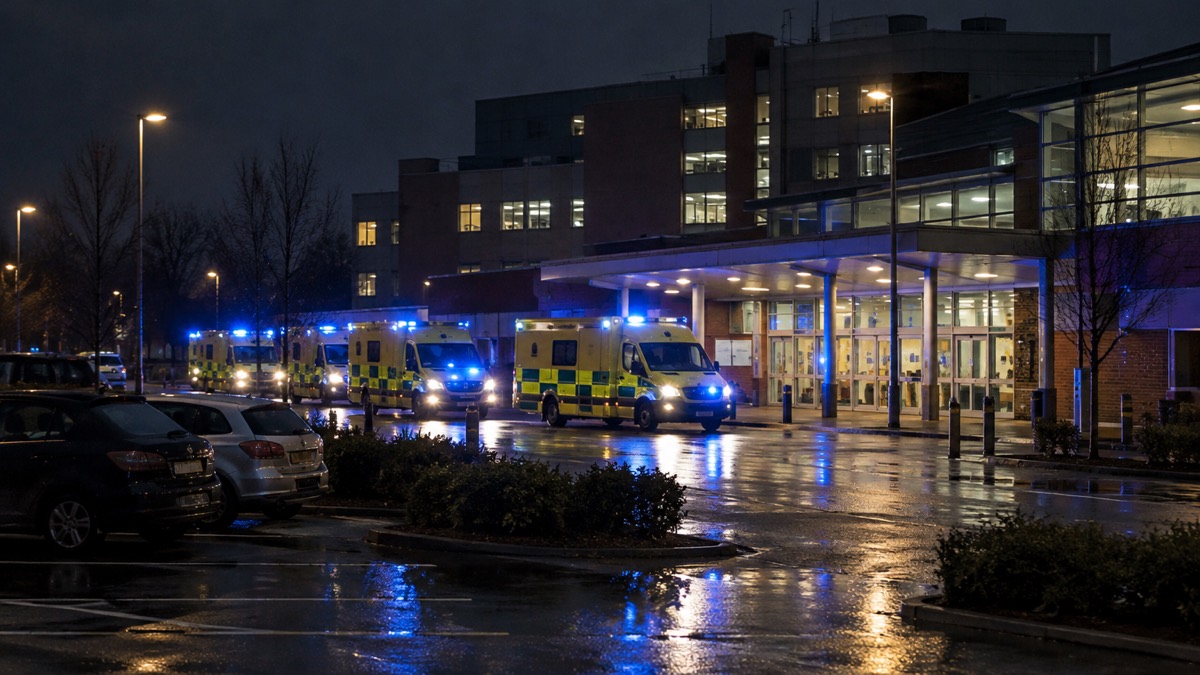
NHS England reported on 19 December 2022 that November 2022 was a record month for both accident and emergency attendances and category 1 ambulance incidents, the most serious callouts. The figures come from the latest monthly performance statistics, published alongside a campaign reminding the public to use NHS 111 online ahead of the festive season1.
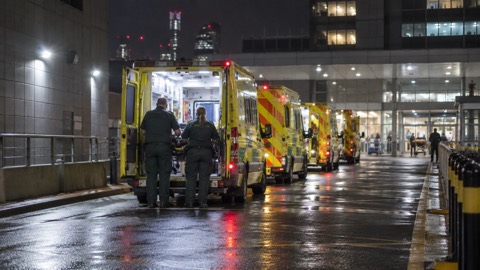
Staff working in A&E dealt with 2,166,710 attendances in November, more than any previous November on record, and there were 81,655 category 1 incidents, the highest November total on record1. The same announcement said the NHS 111 service received more than 700,000 calls in the week of 5 to 11 December, an increase of over 60 per cent on the week before, from 440,047 to 706,1291.
Professor Sir Stephen Powis, NHS National Medical Director, said:
"Last month our hard-working staff contended with another record month of A&E attendances and the most serious ambulance call-outs, alongside winter viruses that are seeing rapidly increasing numbers of patients in hospital with flu and Covid, new figures show a huge increase in calls to NHS 111, which is understandable with concerns about these winter viruses, including strep A."
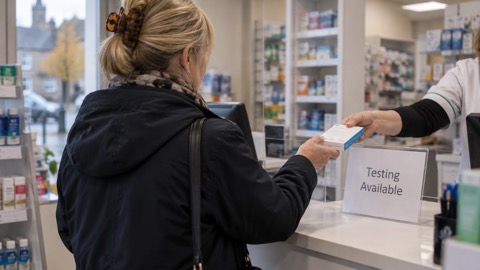
The campaign includes new TV adverts running from 19 December1. NHS England said the online service asks people to enter their postcode, age, sex and main symptom, then a series of questions about their health concern, and directs them to a suitable place for care, which can include a consultation with a pharmacist, a call back from a nurse, or a same day urgent treatment centre or A&E1. It said more than 6.5 million people used NHS 111 online in the previous 12 months, with an average of 20,000 users directed to the right support every day1. A survey cited in the announcement found 39 per cent of respondents did not know the online service can direct people to the right care in as little as 90 seconds, 48 per cent had used the NHS 111 phone service and 9 per cent the online service1.
NHS England said the NHS had prepared for winter by launching 24/7 "healthcare traffic control centres", boosting hospital and community bed capacity, expanding rapid response teams for people who have fallen at home, and increasing the number of call handlers in NHS 111 and 9991. Ahead of industrial action on the Tuesday and Wednesday of the following week, it said people should continue to access emergency care and that anyone whose appointment has to be rescheduled will be contacted1. It also said people should call 111 to speak to someone about complex medical problems or to get medical advice for a child under five, and that in a medical emergency, when someone is seriously ill or injured and their life is at risk, people should go to A&E or phone 9991.
Why it matters for households
The figures cover England and describe pressure on urgent and emergency care during December 2022, a period that also included industrial action and rising flu, Covid and strep A concerns1. NHS England's stated position is that emergency care remains available and that people should call 999 or go to A&E when someone is seriously ill or injured and their life is at risk, while NHS 111 online is offered for non-emergency problems and the phone line for complex problems or advice about a child under five1. The health emergencies hub covers wider planning for health incidents.
What happens next
NHS England said industrial action was due on the Tuesday and Wednesday of the week after 19 December, that local plans were in place to minimise disruption, and that patients would be contacted if an appointment had to be rescheduled1.