NHS inform published updated guidance on staying safe in cold weather on 21 September 2026, covering the health problems cold weather can cause, who is most at risk and how households can prepare1. The page is sourced to Public Health Scotland and carries a last updated date of 21 September 20261.
The guidance states that cold weather can increase the risk of a heart attack, stroke and respiratory infection such as flu, and that it "can worsen symptoms if you have existing breathing problems or heart conditions"1. It adds that cold weather can also cause hypothermia and increase the risk of falls1. Among the reasons given for the higher risk in winter are poor quality housing, which "means houses can get very cold", more common infectious diseases such as flu and norovirus, and physical hazards such as snow and ice1.
The groups listed as more at risk are people aged 65 or over, people with underlying health conditions including heart, lung or mental health conditions, children particularly aged 5 and under, pregnant women, and people who are housebound or have low mobility1. The guidance also names housing and economic circumstances that raise risk: sleeping rough, experiencing homelessness, living in homes that are harder to keep warm, and being unable to afford fuel and heating costs1.
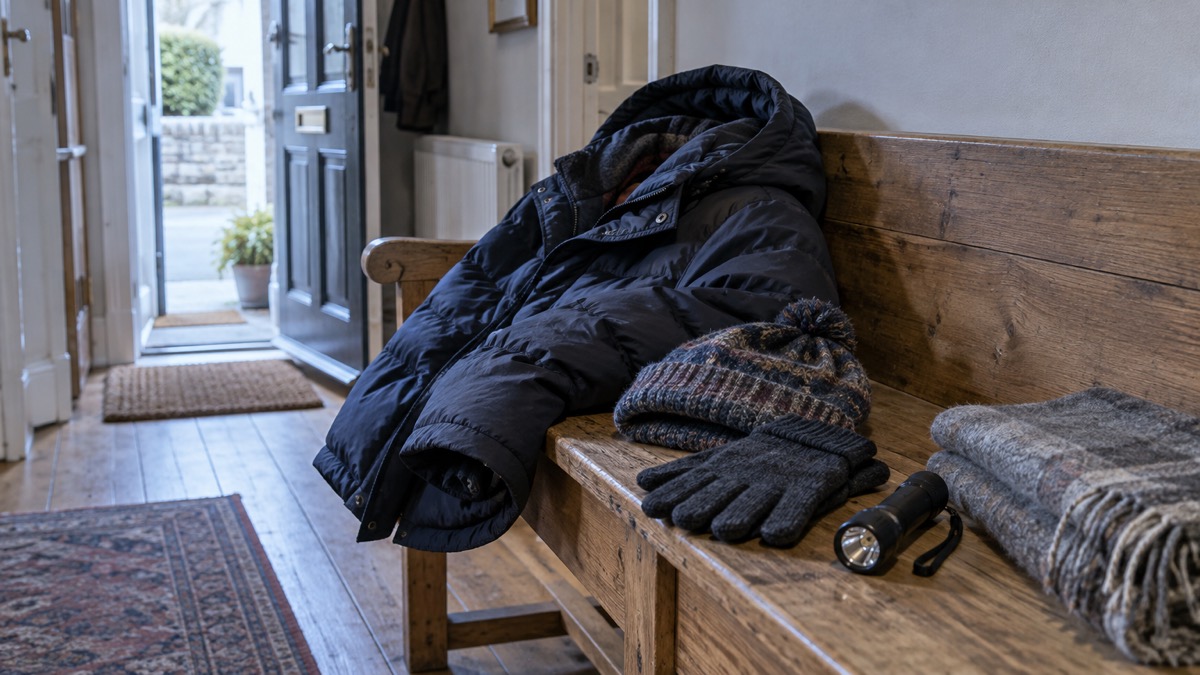
On preparation, the guidance advises checking that there is enough food, medicines and heating fuel "in case it becomes harder to leave the house", and speaking to a local pharmacist with questions about medication1. It advises that people and their families are up to date with vaccines if eligible1. On the home, it says the increased use of fuel-burning appliances such as gas heaters and boilers in winter can raise the risk of carbon monoxide poisoning, and advises regular gas safety checks and a carbon monoxide alarm that is BS EN 50291 compliant1. Suggested home improvements include draught-proofing, insulation and more energy-efficient heating appliances, with grants and benefits findable through mygov.scot and advice from Home Energy Scotland1.
"Check any National Severe Weather Warnings covering your area, and follow any advice given."
The guidance also advises checking in on vulnerable or older family members, friends and neighbours, and says that if possible the home should be heated to at least 18ºC in rooms that are regularly used1. It recommends wearing several layers of thin clothing instead of one thick layer, and staying connected with friends and family online or by phone if unable to get out1. It notes that cold weather can increase the likelihood of condensation forming inside the home, which left untreated can lead to damp and mould1.
| Guidance area | What NHS inform sets out |
|---|---|
| Health risks | Heart attack, stroke, respiratory infection such as flu, worsening of breathing and heart conditions, hypothermia, falls1 |
| Higher-risk groups | People aged 65 or over; underlying heart, lung or mental health conditions; children aged 5 and under; pregnant women; housebound or low mobility1 |
| Housing and cost | Sleeping rough or homelessness; homes harder to keep warm; unable to afford fuel and heating1 |
| Home heating | At least 18ºC in regularly used rooms if possible1 |
| Carbon monoxide | Regular gas safety checks; BS EN 50291 compliant alarm1 |
Why it matters for households
The guidance is aimed at households across Scotland and covers risks that apply through the coming winter, from the date of publication1. It sets out who may need extra support, including older people, those with existing health conditions and people unable to afford heating, and advises households to keep enough food, medicines and heating fuel at home in case leaving the house becomes harder1. It advises checking National Severe Weather Warnings for the area and following any advice given, and checking in on vulnerable or older family members, friends and neighbours1. The Met Office has advice on driving and cycling in cold weather, which the guidance links to1. Households preparing for winter conditions can read more in the guide to staying well in cold weather, and the storms and snow hub covers related disruption.
What happens next
No further publication or update date beyond 21 September 2026 has been reported1.
Sources (1)
- How to stay safe in cold weather | NHS inform, nhsinform.scot
 Staying Well in Cold Weather