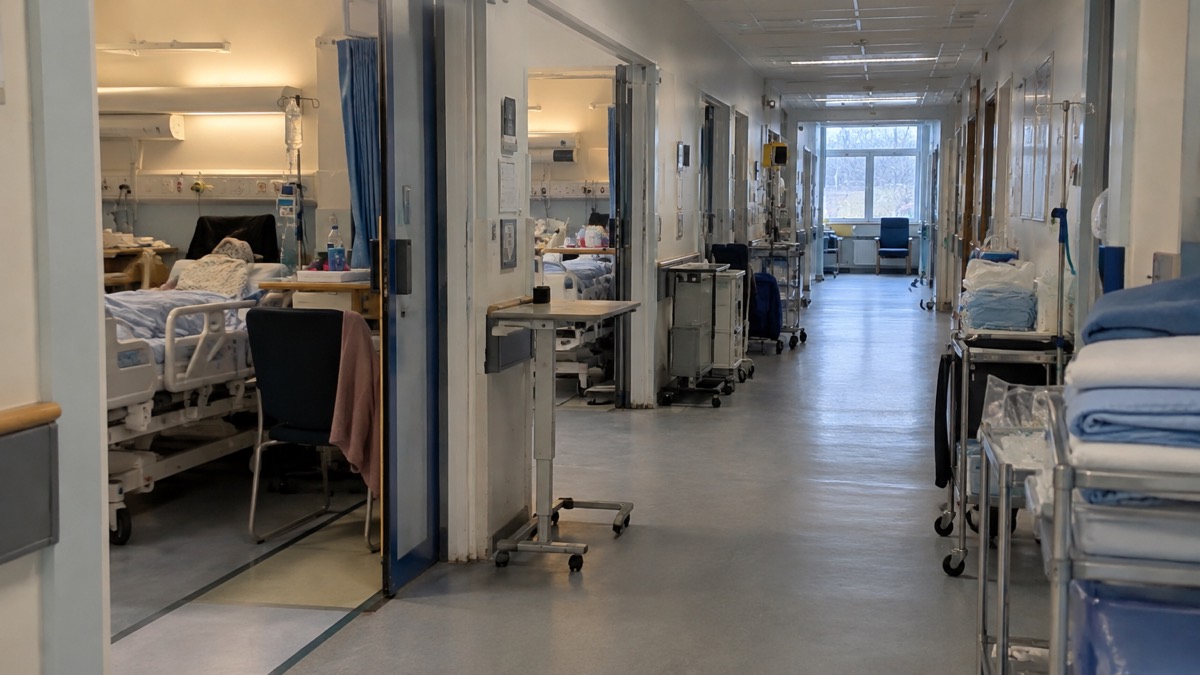
NHS England published its weekly winter operational update on 20 January 2022, covering the week ending 16 January 2022. In that week more than 93.2% of adult general and acute beds in England were occupied, equivalent to nearly 500 more adult patients per day than the week before1.
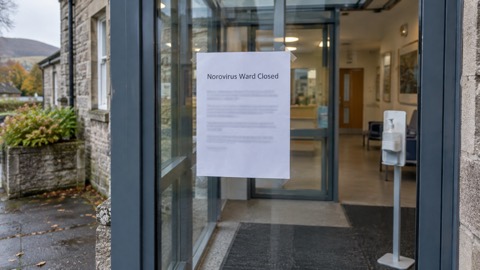
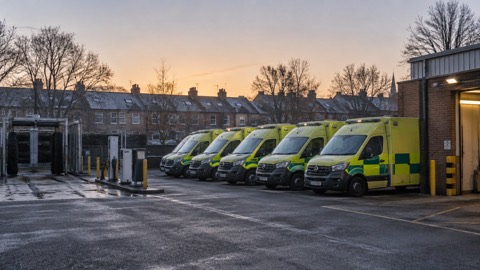
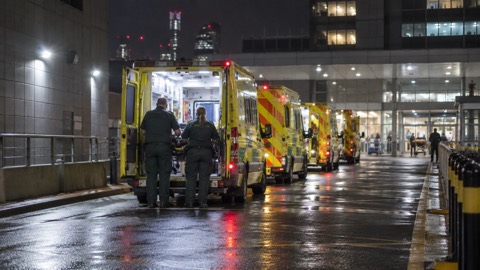
Around 2,000 NHS beds had to be kept empty and out of use because of infection prevention and control measures1. Over 83,000 patients arrived at emergency departments by ambulance during the week, an increase of more than 2,000 on the week before1. More than 77,000 staff were absent due to sickness each day in the same week, 20,000 more than at the start of December1.
| Measure | Week ending 16 January 2022 | Change |
|---|---|---|
| Adult general and acute bed occupancy | More than 93.2% | Nearly 500 more adult patients per day than the week before |
| Beds kept empty for infection prevention and control | Around 2,000 | Not reported |
| Patients arriving at emergency departments by ambulance | Over 83,000 | Up by more than 2,000 on the week before |
| Staff absent due to sickness each day | More than 77,000 | 20,000 more than at the start of December |
NHS National Medical Director Professor Stephen Powis said:
"Even though the numbers are going in the right direction, NHS staff will have many tough months ahead as they continue to deliver patient care while managing competing demands."
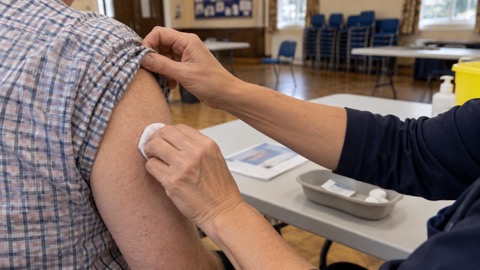
In the same statement he said that staff absences remain high and continue to increase in some parts of the country, though they had been reducing week on week, and that the number of people in hospital for both COVID and non-COVID care remains high1. He also said staff continue to provide routine care, including rising numbers of routine checks, and that the public can help by coming forward for care when they need it and getting their COVID-19 jabs1.
Why it matters for households
The figures describe pressure on hospital services across England in mid-January 2022, at a point when staff sickness was well above the level at the start of December1. High bed occupancy and around 2,000 beds out of use for infection control mean less capacity for admissions, and the rise in ambulance arrivals indicates sustained demand on emergency departments1. NHS England's national medical director asked the public to come forward for care when they need it and to get their COVID-19 jabs1. Households preparing for health emergencies, including what to do when someone needs urgent care, can find background in the health emergencies guide.
What happens next
NHS England said staff will have many tough months ahead, and that absences remain high and continue to increase in some parts of the country while reducing week on week overall1. No further weekly figures beyond the week ending 16 January 2022 have been reported here.