NHS Blood and Transplant wrote to hospitals across the country on 25 July 2024 to issue an Amber Alert asking them to restrict the use of O type blood to essential cases and to use substitutions where clinically safe to do so1. The alert was announced by NHS England London in its weekly update on the clinical impact of the ransomware cyber attack against pathology services provider Synnovis on Monday 3 June1.
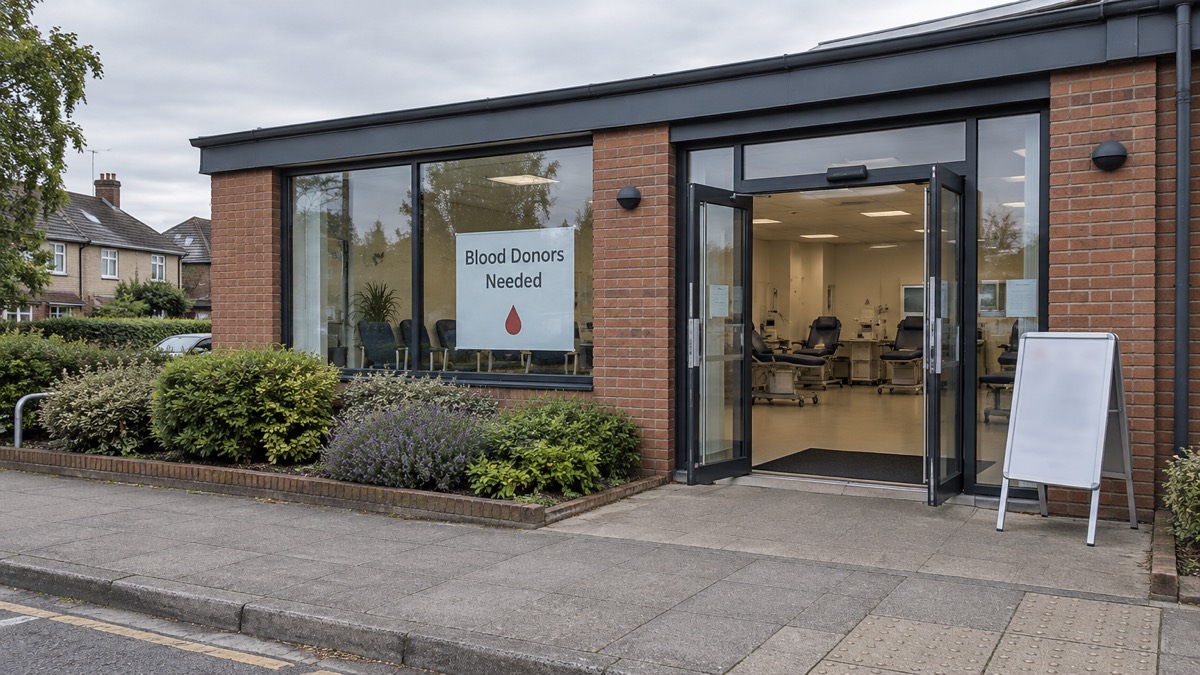
NHS England London said demand for O type blood from hospitals had increased due to both the cyber attack and a reduction in donations, including due to the summer period1. O negative and O positive donors were asked to urgently book and fill appointments at donor centres, with appointments available at blood.co.uk or on 0300 123 23 231.
"NHS Blood and Transplant has written to hospitals across the country today to issue an "Amber Alert" asking them to restrict the use of O type blood to essential cases and use substitutions where clinically safe to do so"
The update covers the seventh week after the attack, 15 to 21 July 2024, and is based on provisional data reported by trusts, described as unvalidated management information1. Across the two most affected trusts, King's College Hospital NHS Foundation Trust and Guy's and St Thomas' NHS Foundation Trust, the figures for that week were:
| Measure | Week 15 to 21 July | Previous week |
|---|---|---|
| Acute outpatient appointments postponed | 1,122 | 1,028 (8 to 14 July) |
| Elective procedures postponed | 46 | 71 |
| Cancer treatments among postponed procedures | 4 | 2 (week commencing 8 July) |
| Organs diverted for use by other trusts | 20 | 26 |
| Community outpatient appointments postponed | 34 | 24 |
| Planned C-sections postponed or rescheduled | 0 | 0 |
Since 3 June, 1,608 elective procedures and 8,349 acute outpatient appointments have been postponed at the two trusts1. South east London pathology services provided this week increased to 60% of normal capacity1. Synnovis has rebuilt substantial parts of its systems, meaning more hospital-based services, including core chemistry and haematology services, are either restored or planned to be restored over the coming week, though the new systems are still being tested1.
Blood transfusion services will continue to be stabilised over the summer, with full restoration anticipated by early Autumn, and mutual aid, where health services help each other by taking patients, will continue to be required for planned operations and transplants1. All GP practices now have access to testing services for patients needing results within five working days, that is critical and urgent tests, and normal services are operating for histology and cervical smears1. Primary care appointments are going ahead as normal, but blood tests are being prioritised for urgent and important cases1. Guy's and St Thomas', King's College Hospital and South London and Maudsley NHS Foundation Trusts remain in a critical incident, while Oxleas NHS Foundation Trust, Lewisham and Greenwich NHS Trust, Bromley Healthcare and primary care services in south east London continue to be significantly impacted1.
Why it matters for households
The alert applies to hospitals across the country, not only in south east London, so the restriction on O type blood use is national in scope1. NHS England London said most services are now working at near-normal levels, including in outpatients, day cases and non-elective care, and that patients with booked appointments should continue to attend unless they have been contacted to say otherwise1. It advised people to continue to use NHS 111 through the NHS App, online or on the phone for non-urgent care, and to access urgent and emergency services in the normal way by dialling 999 in an emergency1. A helpline has been set up for people affected, on 0345 87789671. The health emergencies hub covers how health alerts and service disruptions are handled.
What happens next
NHS England London said updates will be provided on a weekly basis as the incident continues1. Blood transfusion services are expected to be fully restored by early Autumn, and mutual aid arrangements for planned operations and transplants will remain in place until then1. The NHS said it will continue to provide updates as more detail becomes available through Synnovis' full investigation1.