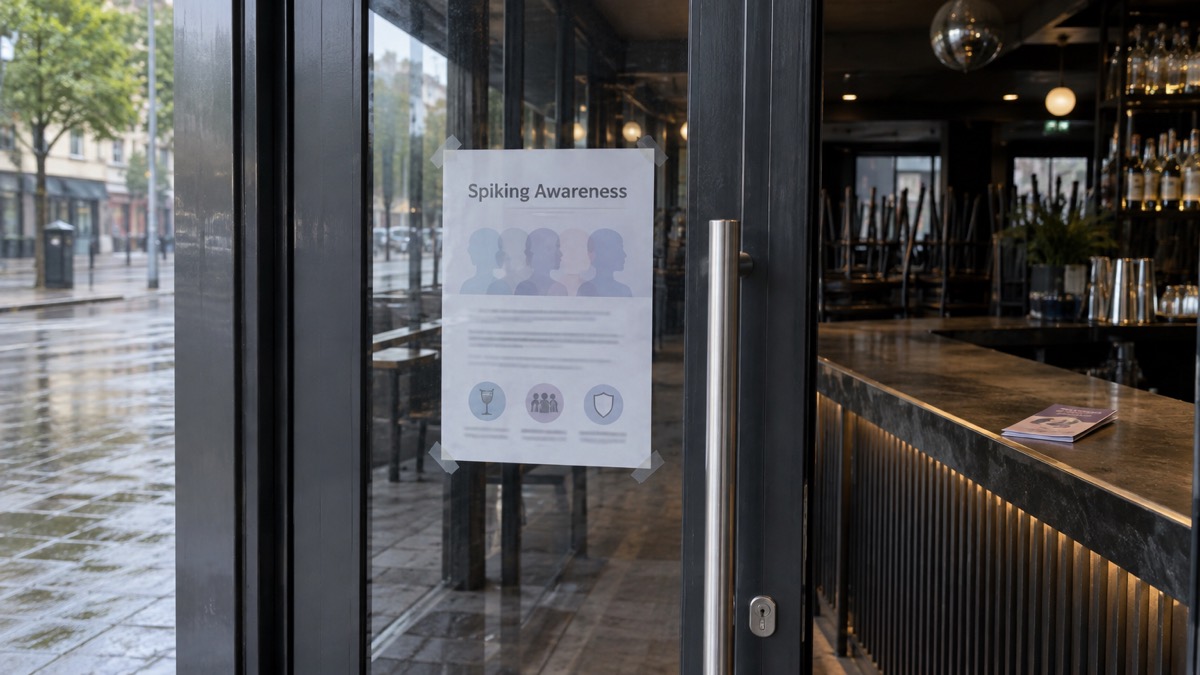
NHS 24, working with Police Scotland and the Scottish Government, announced on 14 July 2025 a coordinated effort to raise awareness of spiking during the summer events season1. The announcement sets out changes to how suspected cases are handled in the NHS in Scotland, alongside public safety advice1.
A consistent national response has been developed so that people who attend A&E with suspected spiking receive clear and uniform advice, an approach endorsed by the Royal College of Emergency Medicine1. Scotland's 111 service has also been updated to include spiking-related guidance, which NHS 24 says will help to better identify and support potential cases1. Victims and Community Safety Minister Siobhian Brown said changes to the NHS system will allow those who present at A&E as potential victims of spiking to be recorded1:
"This will provide invaluable data on previous unrecorded incidents and will allow us to better understand the extent to which these lead on to formal police reporting."
NHS 24 describes spiking as giving someone alcohol or drugs without their consent, often by adding substances to drinks or injecting them, with drink spiking the most common type and possible at social events, private gatherings, bars or nightclubs1. Dr Julie Ronald, Associate Medical Director at NHS 24, said the signs can appear rapidly and can include sudden dizziness, confusion, slurred speech and loss of consciousness1. NHS 24 states that spiking is a criminal offence and that all suspected incidents should be reported to Police Scotland by calling 1011.
Safer Scotland's advice, as published by NHS 24, includes:
| Advice |
|---|
| Never leave a drink unattended, whether it is alcoholic or not |
| Never accept a drink from someone unknown |
| Don't drink or taste anyone else's drink |
| Throw a drink away or take it back to the bar if it tastes strange or different |
| Avoid drinking or taking substances which impact safety and wellbeing |
| Always stick together with friends and look out for each other, even within smaller social gatherings; if leaving a venue early or going home alone, make sure friends are aware and there is a plan for getting home safely |
Why it matters for households
The changes apply in Scotland, where NHS 24 runs the 111 service and the Scottish Government sets health policy1. For households, the practical effect is that someone who suspects they or a friend has been spiked has an updated route through 111 for advice, and that A&E departments are to follow a single national approach to advice, with suspected cases recorded as potential spiking victims1. NHS 24 advises that anyone who suspects spiking should stay with a trusted friend and seek immediate help, alert venue staff and seek medical help right away, calling 111 for advice but 999 in a life-threatening emergency1. It also advises reporting all suspected incidents to Police Scotland on 1011. The recording change is intended to produce data on incidents that were previously unrecorded and on how many lead to formal police reporting1. The announcement does not give a start date for the A&E recording changes, and no figures for the number of spiking incidents in Scotland are included1.
What happens next
No further dates or stages are set out in the announcement beyond the publication of the guidance on 14 July 20251. NHS 24 directs people to further information and advice at safer.scot/spiking1. General guidance on health emergencies is available on this site.