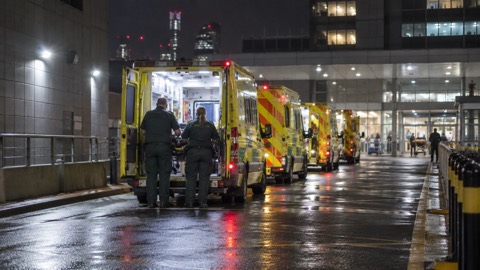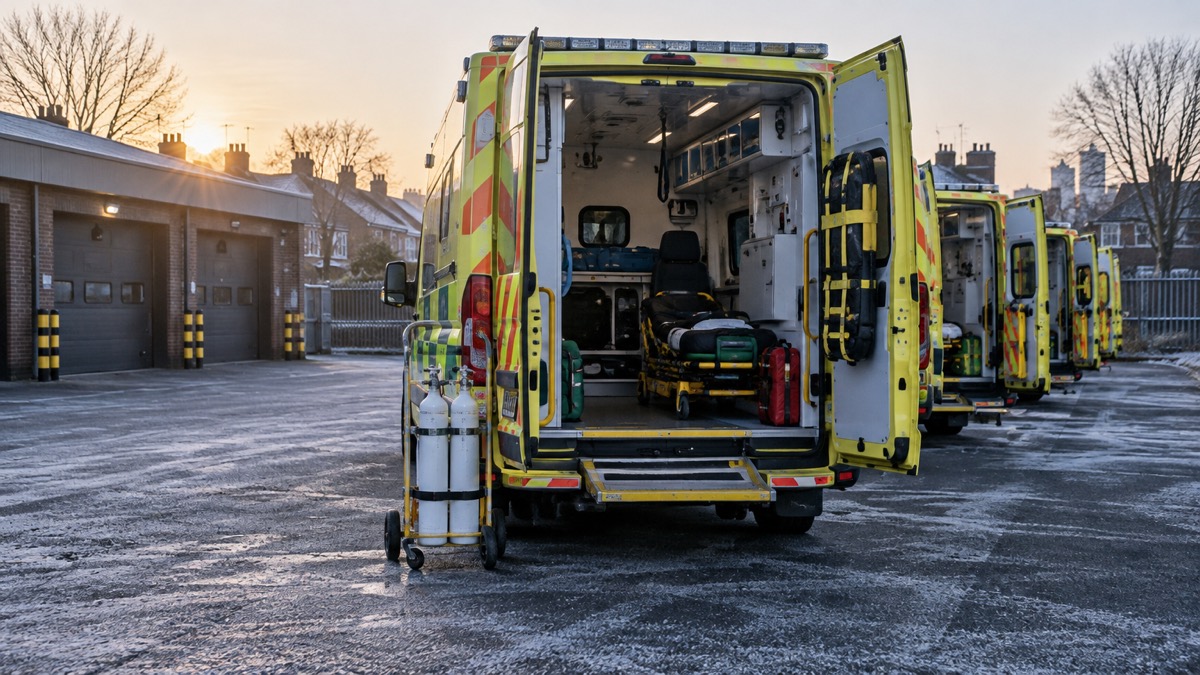
The London Ambulance Service (LAS) reported that winter had arrived early, with more than 16,500 999 and 111 calls taken on Saturday, a level of demand the service said it would not usually experience until well into January1. The figure was given to the Health Secretary, Wes Streeting, and NHS England chief executive Amanda Pritchard during a visit to the service's Waterloo Road headquarters, accompanied by Health Minister Karin Smyth1. The visit was reported by the LAS on 11 December 20241.
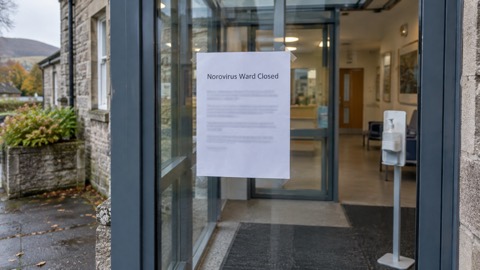
The service said 999 call volumes had risen by almost 10 per cent and now hover above 6,000 a day, similar to pressure seen in winter 20201. At the end of the previous month it saw 7,000 999 calls in a day, a number it said is usually only seen on New Year's Eve1. Chief executive Daniel Elkeles attributed the rise to respiratory and gastrointestinal viruses spreading and more Londoners starting to celebrate the festive season1.
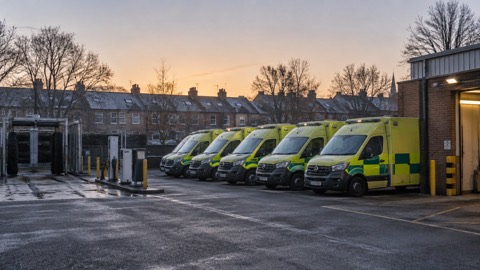
Under its 999 Winter Plan for 2024, developed with NHS partners including integrated care boards and London's hospitals, the LAS said it had increased the number of ambulances on the streets and staff in control rooms by more than 10 per cent throughout the week, and was putting up to 60 additional ambulances on the road at peak times1. Almost 23 per cent of 999 calls were currently being dealt with by a clinician over the phone without delaying an ambulance response, and the service was aiming to raise this to 25 per cent, or one in four calls1. Mr Elkeles said each percentage improvement in the hear and treat rate meant ambulances reach patients who have had a stroke or heart attack around a minute faster on average1.
"Winter is always busy for the NHS but this year it has come even earlier. Calls to our 999 control rooms are climbing as respiratory and gastrointestinal viruses spread and more Londoners start to celebrate the festive season."
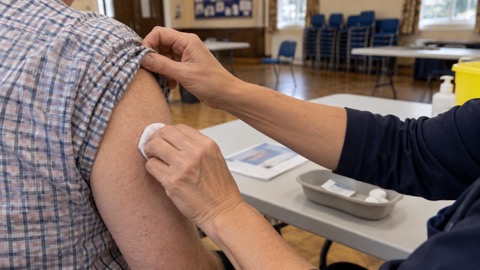
Mr Streeting said this year was seeing record pressures on services moving into December, and that he was asking trusts to focus on ambulance delays, handovers and the longest A&E waits1. He said the end of strikes meant this was the first winter in three years without staff on the picket line, and appealed to all eligible people to join the 27 million who have already been vaccinated1.
Why it matters for households
The pressure described is specific to London, and the LAS figures cover calls to its 999 and 111 services rather than the UK as a whole1. The service linked the rise to circulating respiratory and gastrointestinal viruses and to the pre-Christmas period, and said demand at this level is normally not seen until well into January1. The LAS asked Londoners to look after elderly friends and relatives and to get flu and COVID vaccinations if eligible1. It asked the public to drink responsibly, plan journeys home at night and look after their friends, noting that pre-Christmas celebrations always mean more alcohol-related incidents that could be avoided1. On when to call, Mr Elkeles said 999 should be for life-threatening emergencies and that NHS 111 online is always a good place to start for advice or reassurance1. The health emergencies hub covers what to do when someone becomes seriously unwell.
What happens next
No further dates or service changes have been reported beyond the winter plan measures described above1.