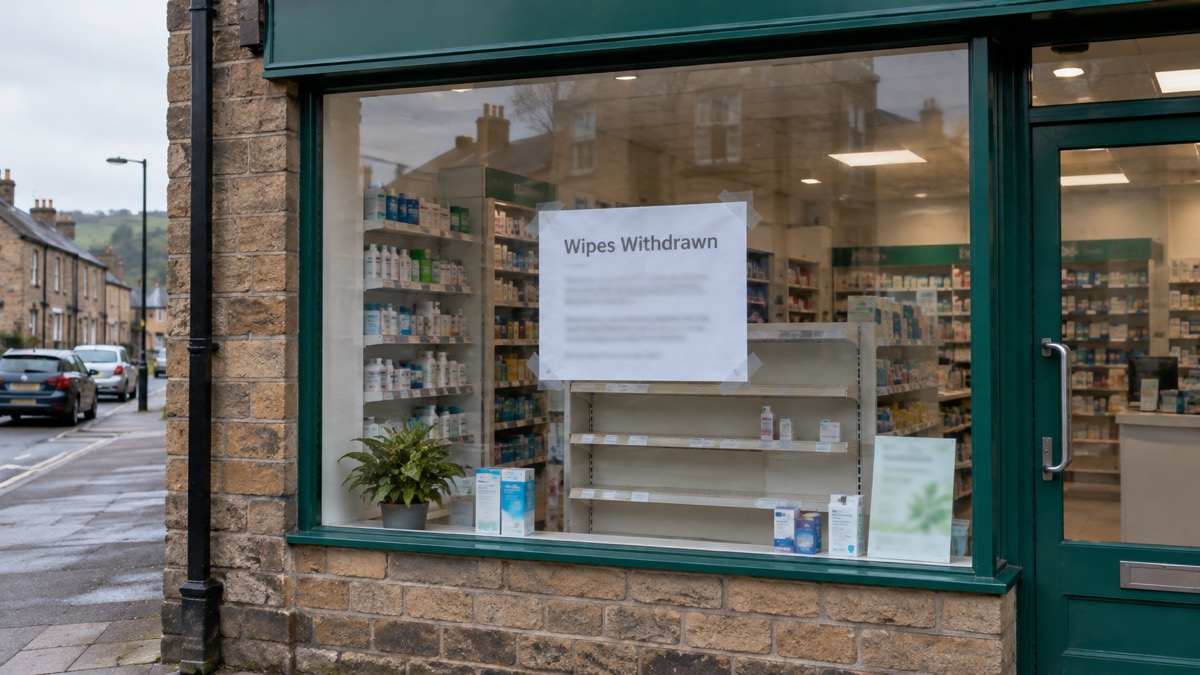
The Medicines and Healthcare products Regulatory Agency (MHRA) issued notices to the sellers of four affected non-sterile alcohol-free wipe products in July 2025, resulting in their withdrawal from sale, the UK Health Security Agency (UKHSA) and MHRA have said1. The two agencies are reminding the public not to use the four specified products under any circumstances because of an ongoing risk of infection1.
During outbreak investigations in 2025, the four products were found to be contaminated with Burkholderia. They are ValueAid Alcohol Free Cleansing Wipes, Microsafe Moist Wipe Alcohol Free, Steroplast Sterowipe Alcohol Free Cleansing Wipes and Reliwipe Alcohol Free Cleansing Wipes; testing found the Reliwipe product contaminated with a Burkholderia strain not related to the outbreak cases1. UKHSA issued a safety alert to health professionals in June 2025 and reiterated the advice in its update1.
The agencies report 59 confirmed cases of Burkholderia stabilis associated with some non-sterile alcohol-free wipe products, identified in an outbreak in the United Kingdom from January 2018 to 3 February 2026, with a small number of cases continuing to be detected. These have included some serious infections requiring hospital treatment, and one death has been attributed to Burkholderia stabilis infection1. An earlier version of the same notice, published on 4 August 2025, gave 51 confirmed cases between 2018 and 2025 and said no deaths had been linked to the outbreak at that point1.
Burkholderia stabilis is a bacteria found in natural environments that rarely causes infection in healthy individuals, and the risk to the general population is very low. Immunocompromised individuals, those with other risk factors such as cystic fibrosis, and patients at home with intravenous lines are at higher risk of developing infection. No person-to-person transmission has been identified1.
"The MHRA issued notices to the sellers of these products in July, resulting in their withdrawal from sale. However, some of these products may still remain in some first aid kits and in people's homes."
Why it matters for households
The agencies advise members of the public to check for these wipes at home, including in first aid kits. Anyone who still has any of the identified affected products should stop using them immediately and dispose of them in standard household waste1. Diabetes UK, reporting the reminder, says the products were withdrawn from sale in July 2025 but some may still remain in first aid kits and in people's homes2.
The advice extends beyond the four named products. UKHSA and MHRA say non-sterile alcohol-free wipes of any type or brand should not be used for first aid, applied on broken or damaged skin, and should never be used for cleaning intravenous lines1. They advise using only wipes marked as "sterile" on broken skin such as wounds, scratches, or where blood is visible, and checking that first aid kits contain only sterile wipes, that sterile packaging is not damaged and that products are in date, disposing of any wipes with damaged packaging or past their expiry date1. Patients with intravenous lines at home are advised to use wipes on the line only if and as instructed by their medical team1.
Anyone who has used alcohol-free wipes and has concerns about potential infection is advised to speak with a healthcare professional. The agencies list symptoms of a wound infection as redness, swelling, increased pain, warmth around a wound or break in skin, and pus or other drainage, and signs of intravenous line infection as redness, swelling or pain around the insertion site and or fever and chills1. Diabetes UK advises people with diabetes to clean skin with soap and water, ensuring it is thoroughly dry, before applying insulin pump cannulae, pump pods and continuous glucose monitor sensors or checking blood sugar with a finger-prick test2.
The MHRA's Chief Safety Officer, Dr Alison Cave, said the MHRA considers wipes intended for a medical purpose to be medicines, and that these products do not have a medicines authorisation1.
What happens next
UKHSA says a small number of cases continue to be detected and that it has provided a further update to reinforce infection prevention and control guidance1. The agency's notice was last updated on 5 February 20261. No further withdrawal or recall steps have been reported.
Households can find wider guidance in the site's health emergencies hub.