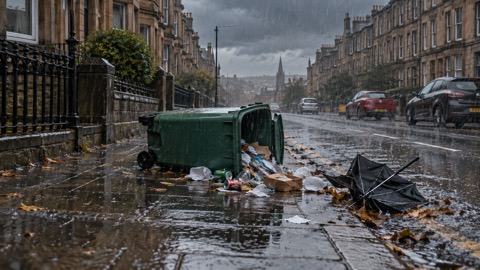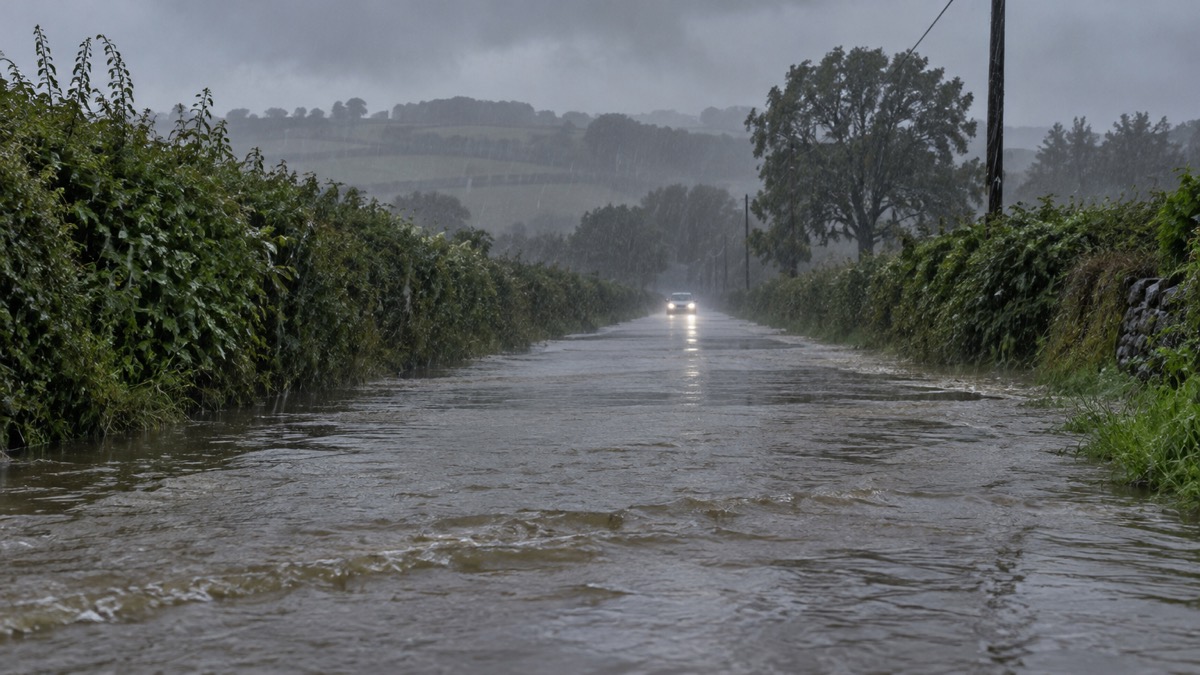
The Met Office has sent out a weather warning for heavy rain for some areas of Northern Ireland, with travel delays, difficult driving conditions and flooding possible, according to guidance published by nidirect on 27 September 20261. The warning was announced by the Met Office and publicised by the Northern Ireland government information service1.
nidirect states that weather warnings let the public and emergency services know about potentially hazardous conditions, and directs readers to the Met Office website for more detail on warnings1. The guidance does not give the areas covered by the warning, the warning level, or the period it covers; these have not been reported in the published advice1.
The Flooding Incident Line, 0300 2000 100, is available 24 hours a day, every day, for reporting flooding problems on roads, burst water mains and blocked drains1. Staff who answer take the caller's details and contact the appropriate agency on the caller's behalf; it is a non-emergency number, and nidirect states that anyone in danger should call the emergency services on 9991.
Other numbers listed are the emergency services on 999 or 112, Northern Ireland Electricity Networks on 03457 643 643, the NI Gas Emergency Service on 0800 002 001, Northern Ireland Water Waterline on 03457 440 088 and the Housing Executive on 03448 920 9011. Fallen trees or blocked roads can be reported online or by phoning 0300 200 78991.
"Do not travel in heavy rainstorms unless absolutely necessary."
Why it matters for households
Households in the warned areas may see travel delays, difficult driving conditions and flooding1. nidirect advises people to plan journeys, check the latest weather and travel advice, consider delaying a journey until conditions improve, and allow extra time if they do travel1. Drivers are told not to enter flood water that is moving or more than four inches deep, and not to drive through fast-flowing water under any circumstances as the car could be swept away; in shallow but passable water they are advised to slow down, avoid creating bow waves that can damage the engine, and test the brakes after leaving the water1. Pedestrians are told not to try to walk through flooded areas, because even shallow fast-moving water can sweep people off their feet and there may be hidden dangers such as open drains, damaged road surfaces, submerged debris or deep channels1. Anyone stranded in flood water who feels there is a risk to life should dial 9991.
For homes at risk, nidirect advises having sandbags, floodboards or plastic covers ready to block doorways and airbricks, knowing where to turn off electricity and gas, moving valuables to safety, checking that insurance covers flood damage, and keeping a list of useful numbers1. Where a home is flooded due to heavy rainfall, households are advised to contact the local council and ask about its emergency payments scheme1. On health, nidirect says the risk of illness after contact with flood water is generally low, but because it is not always clear whether flood water is contaminated people should assume that it is and take precautions, including not letting children play in it, using rubber gloves when cleaning up, washing hands, disinfecting toys and surfaces, and not eating food that has been in contact with flood water; anyone who develops a stomach upset after flooding is advised to contact their GP1. For insurance, people are advised to keep a record of flood damage and of contact with the insurer, and to contact both insurers where the building and contents are covered separately1.
The Met Office publishes warnings and offers sign-up to alerts, and its yellow, amber and red warning levels are explained on this site, alongside guidance on how to sign up for Met Office weather alerts and a wider storms and snow hub.
What happens next
nidirect advises checking the latest weather and travel advice before journeys, with road updates on the TrafficwatchNI website and bus and rail information on the Translink website1. Power cut information is published through NIE Networks' Powercheck service, and any effects on local council services should be listed on council websites1. No end time for the warning has been reported1.
Sources (1)
- Heavy rain weather warning - advice and information | nidirect, nidirect.gov.uk