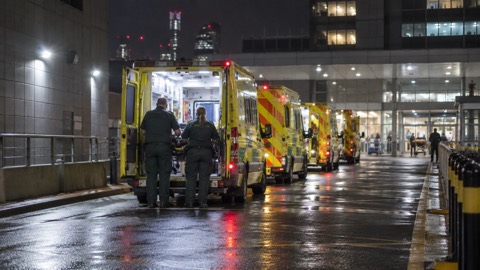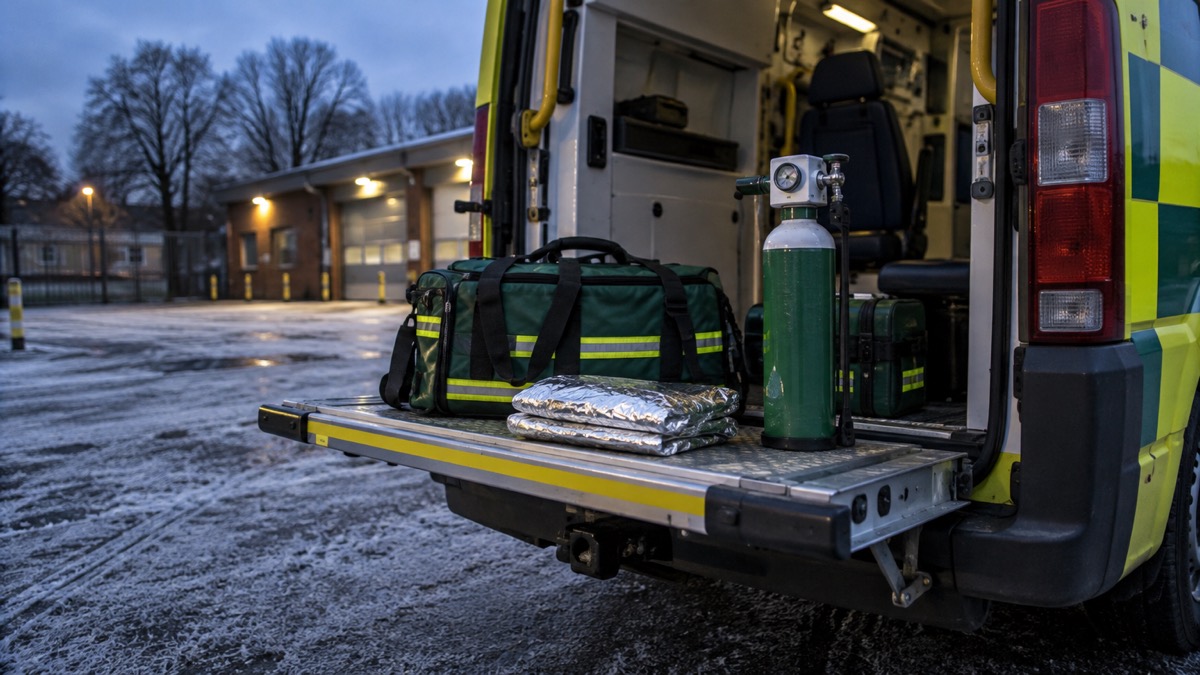
The London Ambulance Service (LAS) has developed a 999 Winter Plan for 2024, it announced on 26 November 2024, after 999 call volumes rose by almost 10 per cent to around 6,000 a day and the Trust moved to its highest level of escalation, REAP 41. The plan was developed with NHS system partners, including integrated care boards and the capital's hospitals1.
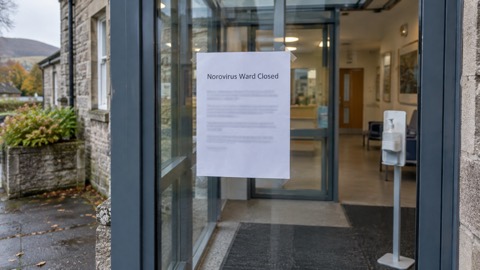
The service said Monday 25 November saw more than 7,000 calls into its 999 services, "a number of emergency calls usually only seen on New Year's Eve"1. In October alone it received 650 more 999 calls a day than in the same month in 2023, a level of pressure it compared to winter 20201. It attributed the recent spike to the combined impact of wintry temperatures and rising rates of viral infections and respiratory illnesses, and said these are expected to rise further in the weeks ahead1.
The measures in the plan are set out as follows1:
| Measure | Detail |
|---|---|
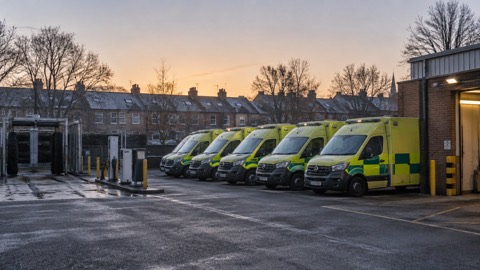
| Ambulances and control room staff | Numbers increased by more than 10 per cent throughout the week, with up to 60 additional ambulances on the road at peak times |
| Hear and treat | More clinicians able to assess patients and give advice over the phone, to reduce unnecessary A&E attendance where possible |
| Other forms of care | Smoother access to local non-A&E services and more use of specialist mental health cars and community response cars, which pair paramedics with nurses to reach vulnerable people |
| Pan-London coordination | A special control centre at LAS to monitor emerging issues and work with NHS partners to resolve them |
| Protocols for pressure | Strengthened pan-London protocols so all parts of the system understand their role and prioritise essential actions for the sickest patients |
Pauline Cranmer, the service's Chief Paramedic, said:
"We are going into this winter with the clearest plan we have ever had, created in partnership across the NHS."
Why it matters for households
The plan applies to London. The service said the rise in calls comes from colder weather and rising viral and respiratory infections, and that it expects demand to increase further in the coming weeks1. It asked Londoners to help it reach the most seriously ill and injured patients quickly by calling 999 only for a serious medical emergency1.
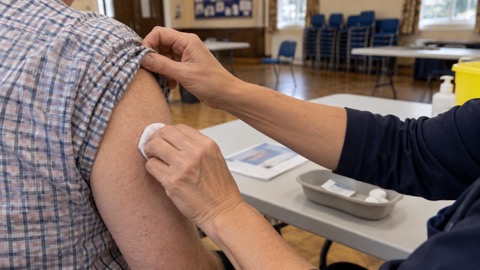
Its advice, as published, includes staying warm, taking medications and seeking medical help without ignoring symptoms, and eligible people taking up flu and COVID-19 vaccinations1. Ahead of pre-Christmas celebrations it asked the public to drink responsibly, plan journeys home at night and look after their friends1.
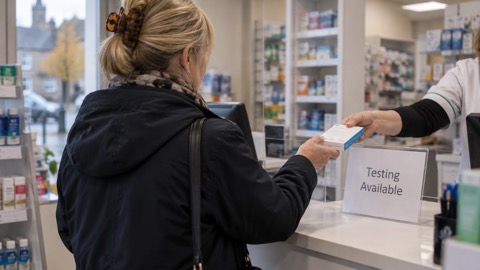
For urgent care that is not a serious emergency, the service said people are encouraged to use NHS 111, pharmacies or their GP in the first instance1. It said NHS 111 online should be the first port of call for anyone unsure what to do or whether to go to A&E, with 111 available by phone for those who cannot access it online1. It said urgent treatment centres, also known as walk-in centres or minor injury units, can treat conditions including sprains, suspected broken limbs, cuts and grazes and minor scalds and burns1. General guidance on health emergencies is set out in the site's health emergencies hub.
What happens next
The service said the additional ambulances, control room staff and phone clinicians form part of its preparations for winter, with demand expected to rise further in the weeks ahead1. No further dated milestones for the plan have been reported1.