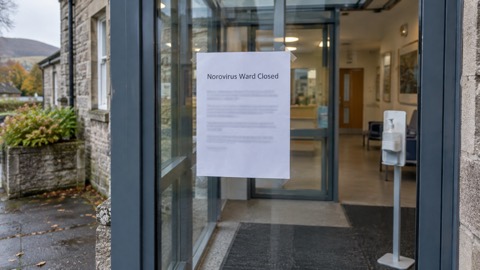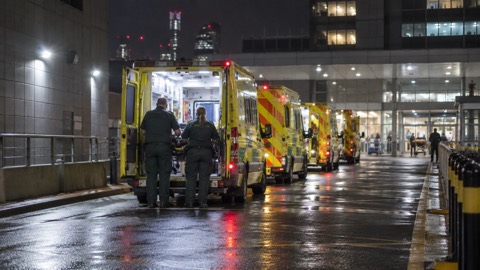
Junior doctors in England began a 72-hour strike at 7am on Wednesday, NHS England announced. The walkout ends at 7am on Saturday1. NHS England said thousands of routine procedures had already been postponed by trusts, as the NHS prioritises emergency and life-saving care1.
Junior doctors make up around half of all doctors in the NHS. NHS England describes them as qualified doctors with up to eight years' experience working as a hospital doctor, depending on their specialty, or up to three years in general practice1. Previous action by junior doctors in April saw around 27,000 staff off per day due to industrial action and 196,000 hospital appointments disrupted1.
NHS staff will be asked to prioritise emergency and urgent care over some routine appointments and procedures. Appointments and operations will only be cancelled where unavoidable, and patients should still come forward unless they are contacted. Where appointments are cancelled, patients will be offered an alternative date as soon as possible1. Pharmacies and GPs are largely unaffected by the strikes, so patients can still get appointments and health advice1.
Professor Sir Stephen Powis, National Medical Director for the NHS in England, said:
"The NHS has been preparing extensively for this next set of strikes, but we know that, with the sheer number of appointments that need to be rescheduled, it will have an enormous impact on routine care for patients and on the waiting list, as procedures can take time to rearrange with multiple teams involved."
The same announcement set out heat guidance, as the NHS in many parts of the country has faced high demand for urgent care services. The NHS advises people to keep out of the sun at the hottest time of the day, drink plenty of fluids and apply sunscreen. Older people are particularly at risk in warm weather and are advised to keep living spaces cool by closing windows and drawing curtains during the day and opening them at night when the temperature outside has gone down. The NHS also says it is important to check the temperature of rooms where people at higher risk live and sleep1.
Why it matters for households
For three days from 7am on Wednesday to 7am on Saturday, routine appointments and operations across England may be postponed, with emergency, urgent and critical care prioritised1. NHS England says patients should attend planned appointments unless they are contacted, and that cancelled appointments will be rebooked as soon as possible1. For non-urgent health needs, the NHS directs people to NHS 111 online and other services, reserving 999 and A&E for life-threatening emergencies1. GP appointments and pharmacies are largely unaffected1. The same announcement carries heat advice for older people and others at higher risk, including keeping living spaces cool and checking room temperatures where people at higher risk live and sleep1. Households planning for health disruptions can find wider guidance in the health emergencies hub.
What happens next
The walkout ends at 7am on Saturday1. NHS England said patients whose appointments are cancelled will be offered an alternative date as soon as possible1. No further strike dates are given in the announcement.