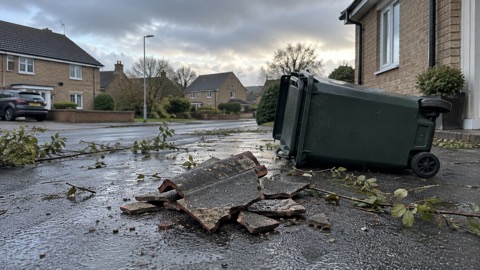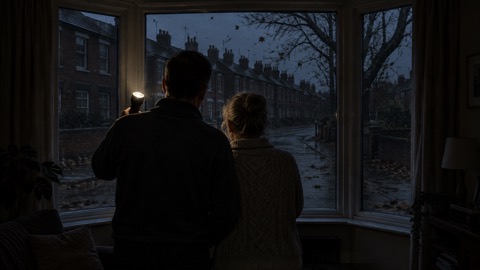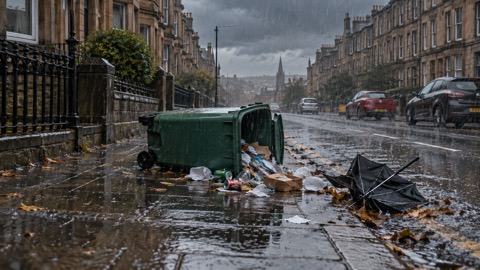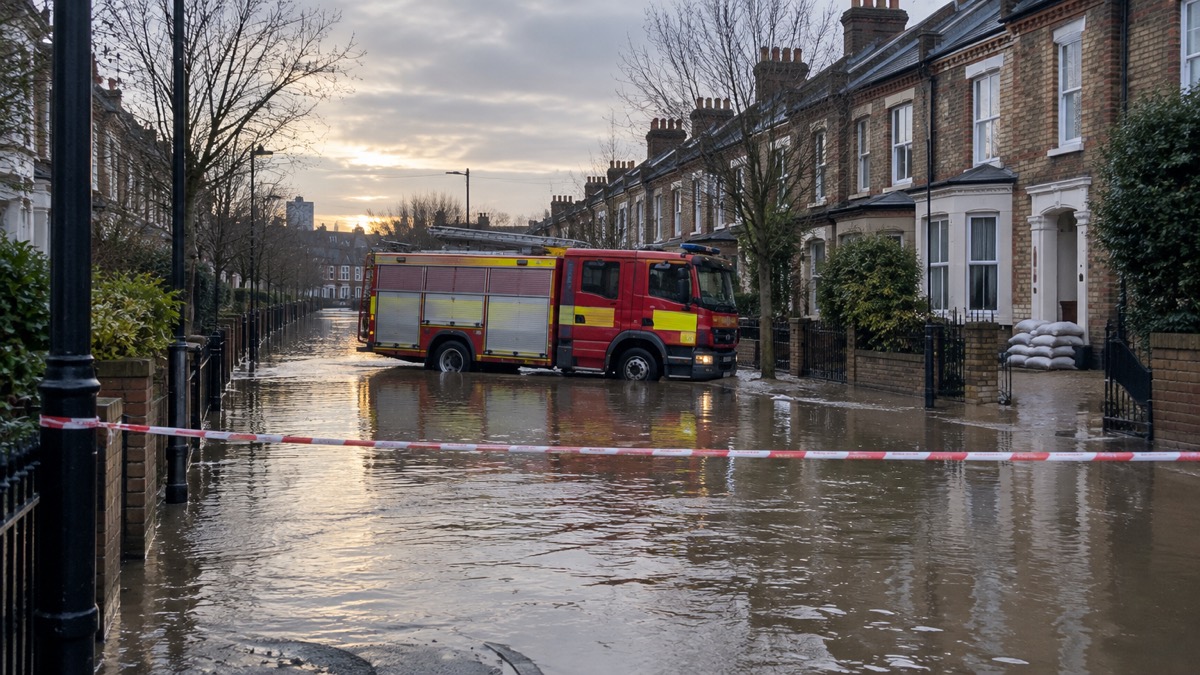
Intense rainstorms and lightning strikes affected some parts of London overnight on 22 to 23 June 2026, with significant flooding and at least two house fires reported, according to the Met Office. The storms came during an extended heatwave that brought heatwave conditions somewhere in the UK every day from 16 to 30 June1.
The Met Office account records that the most extreme temperatures of the period fell on 25 and 26 June. A new UK maximum June temperature of 38.0°C was recorded at Lingwood in Norfolk on 26 June, and a provisional new Wales maximum of 35.1°C was recorded at Hawarden Airport the same day. Hastings in East Sussex recorded the UK's highest daily minimum June temperature of 23.2°C on 26 June1. The Met Office states that the heatwave was notable for high humidity and high minimum temperatures, with little respite overnight1.
Thunderstorm activity was widespread. Yellow thunderstorm warnings were issued for Northern Scotland, Northern Ireland and south-west England. On 25 June, flash flooding and hail were reported in the Highlands, flights were disrupted at Edinburgh airport, and a house in Midlothian reportedly had its roof destroyed by fire caused by a lightning strike. Northern and western Scotland also saw many lightning strikes with heavy rain and flash flooding on 26 June1.
| Date | Event reported | Location |
|---|---|---|
| Overnight 22-23 June | Intense rainstorms and lightning; significant flooding; at least two house fires | Parts of London |
| 25 June | Flash flooding and hail; flights disrupted; house roof destroyed by fire after lightning strike | Highlands; Edinburgh airport; Midlothian |
| 26 June | Heavy rain, lightning and flash flooding | Northern and western Scotland |
The wider heatwave brought travel disruption across the UK, with train services reduced and cancelled and authorities advising against non-essential travel. Hundreds of schools were reported to have closed in England and Wales, and at least six NHS trusts were reported to have declared critical incidents after being overwhelmed with patients. South East Water reportedly introduced a hosepipe ban for around 850,000 customers in Kent1.
The UK Health Security Agency issued a red heat health alert for the southeast of England for 24 to 26 June, warning of danger to life. Around 2,200 excess deaths due to heat related causes have been estimated in England and Wales for the period 18 to 28 July1.
"Overnight on the 22-23rd June there were intense rainstorms and lightning strikes in some parts of London with significant flooding and at least two house fires reported"
Why it matters for households
The London storms show how quickly surface water and lightning can affect households even in the middle of a heatwave: the Met Office records significant flooding and at least two house fires in a single night. Households in areas covered by yellow thunderstorm warnings, including Northern Scotland, Northern Ireland and south-west England at the time, faced the same combination of heavy rain and electrical activity1. The Met Office's guide to the types of flooding sets out how river, sea, surface water and groundwater flooding differ, and its household flooding guide covers what to expect when water enters a home. The flooding hub and the storms and snow hub collect the site's related guidance.
The heat itself carried health risks. The UKHSA red heat health alert for the southeast warned of danger to life for 24 to 26 June, and the Met Office attributes the discomfort and effects on health to high humidity and warm nights1. Travel disruption and school closures were reported across England and Wales, with authorities advising against non-essential travel1.
What happens next
The Met Office report is dated 4 August 2026 and describes the June heatwave in retrospect. It records that temperatures dropped back closer to normal for most of the country on 28 June1. No further warnings or recovery measures connected with the London storms have been reported.
Sources (1)
- metoffice.gov.uk, metoffice.gov.uk