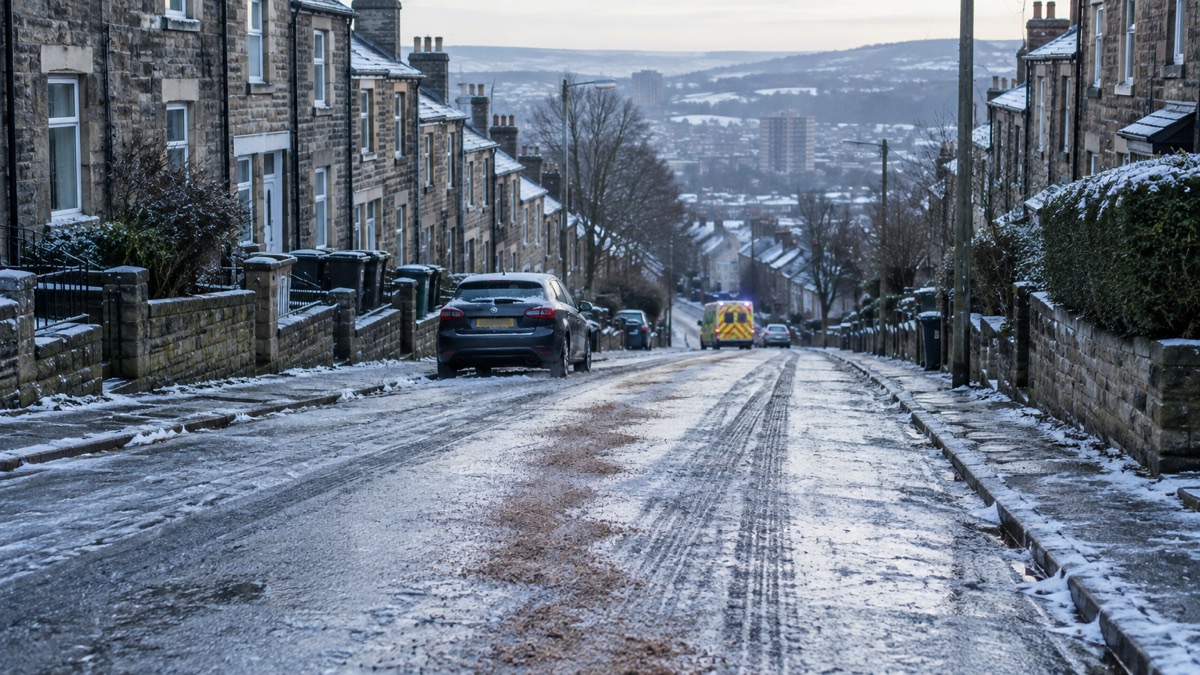
South Central Ambulance Service NHS Foundation Trust (SCAS) reported a rise in emergency calls on the morning of 28 November after the first overnight sub-zero temperatures of the winter. By 10:00am, its clinical co-ordination centres in Bicester and Otterbourne had received 20 calls reporting collisions or falls where ice had, or was suspected to have, played a part1.
Temperatures fell to as low as -4C in parts of the South Central region overnight on Wednesday to Thursday, 27 to 28 November1. The incidents reported included motorcyclists and cyclists coming off their bikes on patches of ice in Banbury, Milton Keynes and Oxford; cars coming off the road in Gerrards Cross, Kings Sutton and Milton Keynes; and pedestrians slipping, falling and injuring themselves in Oxford, Eton and Carterton1.
Kirsten Willis-Drewett, assistant director of operations for the Thames Valley at SCAS, said:
"With the first sub-zero temperatures of winter arriving overnight, we would urge all drivers and pedestrians to take extra care when travelling this winter."
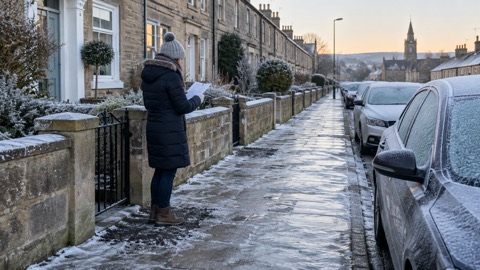
SCAS advised drivers to check weather reports and the latest information on the likelihood of ice before setting out, to reduce speed especially when cornering, and to leave plenty of room and time to brake safely. It said tyre grip is severely reduced on icy roads and stopping distances are much longer, whether on four wheels or two. For pedestrians, it advised suitable footwear with good grip, wrapping up warm, not rushing and avoiding obvious icy patches on pavements or pathways1. The trust said the NHS was facing its most challenging winter on record and that anything the public can do to minimise the risk of an avoidable emergency would be greatly appreciated1.
Why it matters for households
The calls came from across the SCAS region, which covers Berkshire, Buckinghamshire, Hampshire, Oxfordshire and surrounding areas, and were concentrated in the morning after the first freezing night of the season, when surfaces that look wet may be ice. The trust's advice is aimed at anyone travelling on foot, by bicycle or by car while ice is possible. Its guidance on footwear, pace and route choice on cold mornings is set out in the site's guide to walking on ice, and further material on cold weather is collected in the storms and snow section.
What happens next
No further figures or forecasts have been reported. SCAS directs readers to the RAC and AA websites for winter driving advice1.
 Walking on Ice Safely