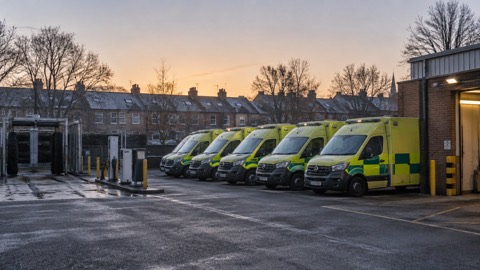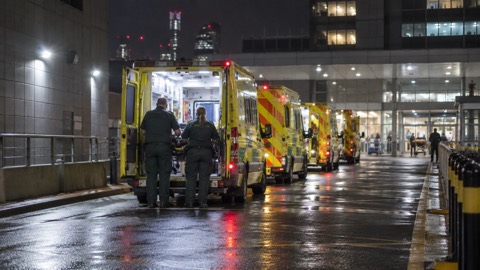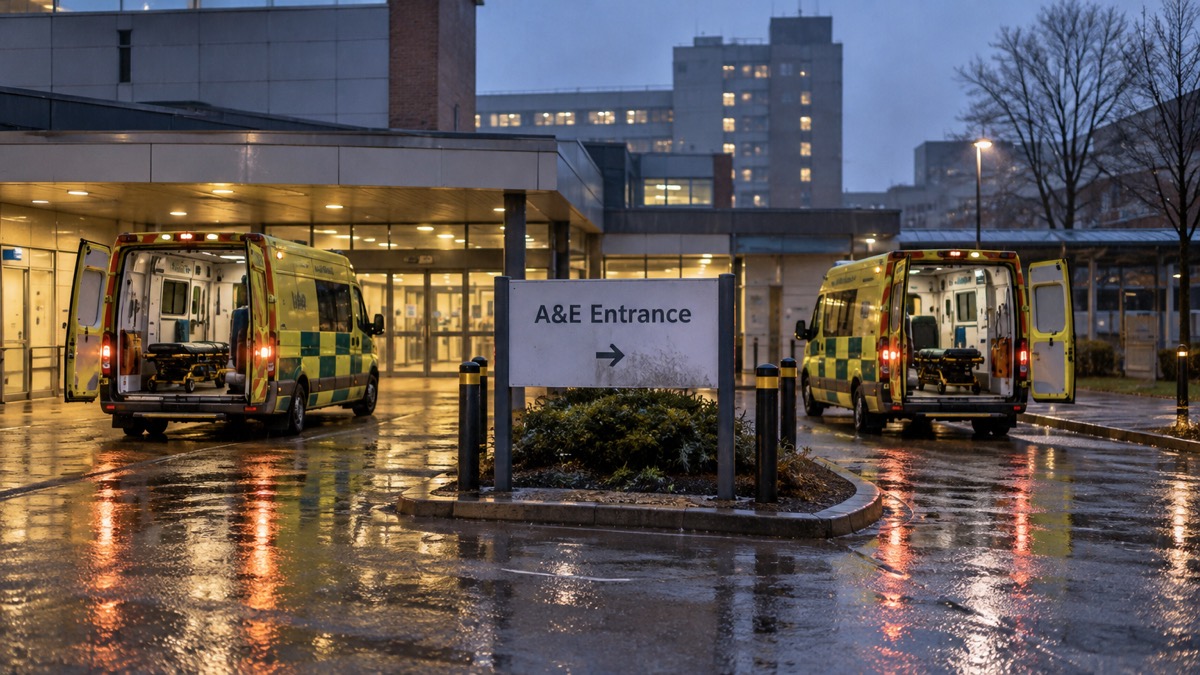
NHS England reported on 18 December 2025 that hospitals in England are "on high alert" this week, amid industrial action and a continuing stream of winter viruses1. Flu cases in hospital reached 3,140 by the end of last week, the highest ever for this time of year and up 18% on the week before1.
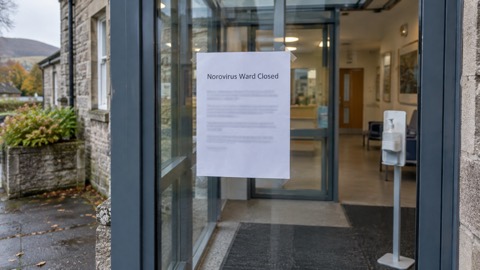
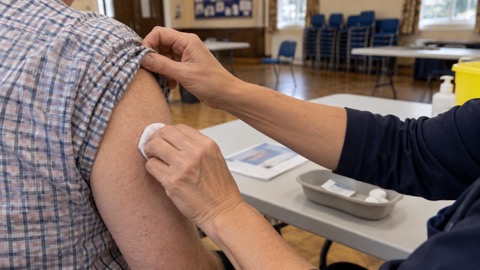
Norovirus cases are also rising, with 427 cases in hospital each day last week, up a fifth (20%) on the week before1. NHS England said norovirus has increased recently but remains within expected levels1. The rise in flu cases in hospital is slowing in some areas, particularly in the North West where hospital cases fell by 4% over the past week, which is thought to be due to higher vaccination rates and the public taking additional steps to protect elderly and vulnerable people1. More than 18m people have now had a flu vaccine, 306,000 more than the same week last year1.
Flu cases continue to rise in other parts of England, with patients in hospital up 39% in the East of England and 40% in the South West1. Beds were 94.2% occupied each day last week on average, and staff absence is up over 1,100 in a week and up 4,500 or 9% on the same week two years ago1. Despite the pressure, average ambulance handover times were almost eight minutes quicker than the same week last year1.
| Measure | Figure | Change |
|---|---|---|
| Norovirus cases in hospital each day | 427 last week | Up 20% on week before |
| Adult general and acute beds occupied | 94.2% each day last week on average | Not reported |
| Staff absence | Not reported | Up over 1,100 in a week; up 4,500 or 9% on same week two years ago |
| Flu patients in hospital, East of England | Not reported | Up 39% |
| Flu patients in hospital, South West | Not reported | Up 40% |
| Flu patients in hospital, North West | Not reported | Down 4% over past week |
| Flu vaccinations | More than 18m | 306,000 more than same week last year |
"While some parts of the country will be breathing a sigh of relief with flu cases not rising as quickly as feared, we are nowhere near out of the woods yet."
Why it matters for households
The pressure is on hospitals in England during a period of industrial action, and NHS England is urging patients not to put off coming forward for care during the industrial action1. Professor Pandit said it remains vital that people continue to come forward for NHS care as normal, and that if you need urgent help, dial 999 in an emergency, or use NHS 111 for other care needs1. She also said that if you are eligible, please come forward for a jab, it is not too late1.
On norovirus, Amy Douglas, Lead Epidemiologist at UKHSA, said the highest rate of cases are in children and people aged over 651. She advised that if your child has any symptoms, keep them off school or nursery until 48 hours after their symptoms stop, and that if you are unwell, do not visit hospitals and care homes to prevent spreading the infection to older and vulnerable people, and do not go to work or prepare food for others until 48 hours after your symptoms end1. She added that washing your hands with soap and warm water and using bleach-based products to clean surfaces will also help stop infections from spreading, and that hand sanitiser does not kill norovirus, so do not rely on it alone1.
Health and Social Care Secretary Wes Streeting said flu continues to put significant strain on the NHS, with record numbers of patients in hospital, and appealed to the public to protect themselves and their loved ones by getting a flu jab1. He described the BMA's decision to pursue strike action at this critical moment as regrettable and said it is piling on the pressure1.
What happens next
NHS England said many hospitals will be on high alert in the days ahead, combining the impact of strikes with a stream of winter viruses1. No end date for the industrial action is given in the announcement1.