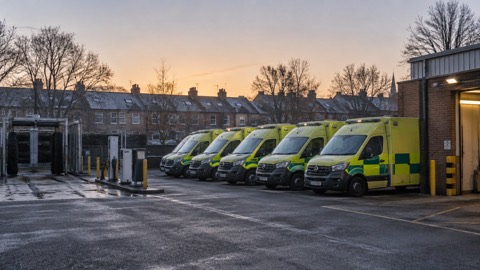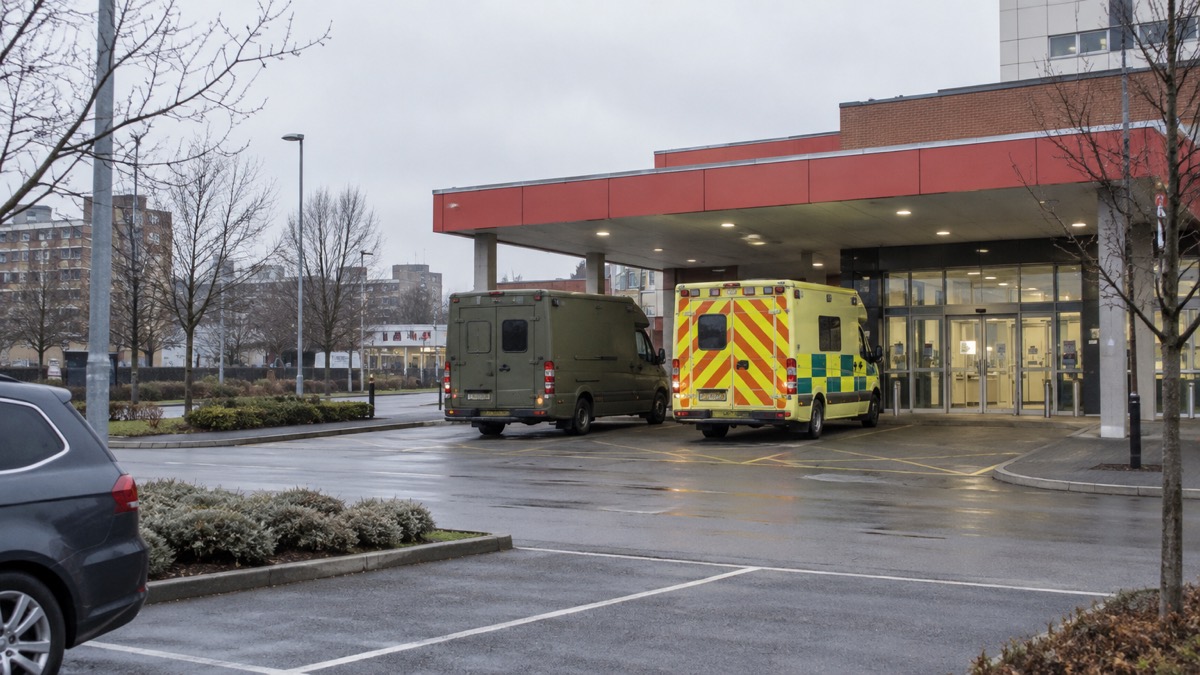
London Ambulance Service said it expected about half its usual number of vehicles on the road on Monday 23 January, when further industrial action was due to take place. The service set out the contingency arrangements in a statement published on 20 January 2023 by Dr John Martin, Chief Paramedic and Deputy Chief Executive1.
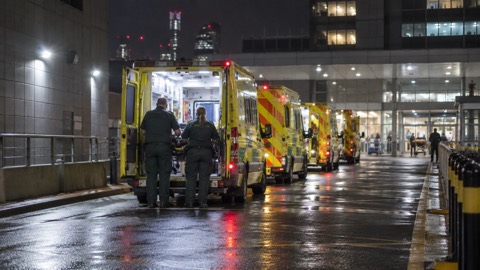
On a normal day the service has around 400 ambulances and 50 cars on the road, Dr Martin said. "On Monday we will have about half of that," he said, made up of staff who are not striking, clinicians from other NHS trusts, military personnel, and striking staff responding to life and limb calls from the picket line1. He said the service would have fewer call handlers in its control rooms assessing 999 calls, and that Monday is usually its busiest day of the week because more patients need emergency help after the weekend1. Low temperatures were also likely to mean more people suffering injuries in icy conditions and from respiratory illnesses on the day of the strike1.
The service reported that on 11 January, the date of an earlier strike, it received just under 4,000 999 calls, 23 per cent lower than the previous Wednesday1. Dr Martin thanked Londoners for keeping 999 for life-threatening emergencies during that action, and said there had been very little delay in handing over patient care to emergency departments, with senior GPs helping in the service's emergency control centres1.
"On the day of industrial action, there will be fewer ambulances on the roads and fewer call handlers in our control rooms assessing 999 calls."
Dr Martin listed unconsciousness, chest pain, difficulty breathing, severe loss of blood and choking among life or limb threatening emergencies for which people should phone 999, saying the service would respond within minutes1. For people who are unwell but do not have a life-threatening emergency, he said NHS 111 can direct them to the right path of care, including an ambulance if needed, and that NHS 111 online is always a good place to start1. He also said it was important that people stay warm, look after themselves, have their medications and seek medical help if they need it without ignoring their symptoms1.
Why it matters for households
Households in London were affected on Monday 23 January, when the service said there would be fewer ambulances on the roads and fewer call handlers assessing 999 calls1. The service's own guidance was that people with life or limb threatening emergencies, including the conditions Dr Martin listed, should phone 999, and that those who are unwell but not facing a life-threatening emergency should use NHS 111, with NHS 111 online described as a good place to start1. The service also asked people to stay warm, keep their medications to hand and not to ignore symptoms1. The health emergencies hub covers planning for periods when health services are under pressure.
What happens next
The statement covers arrangements for Monday 23 January only. No further dates for industrial action, and no later assessment of the service's performance on the day, have been reported in the material available.