The Fire Safety (England) Regulations 2022 came into force on 23 January 2023, Dorset & Wiltshire Fire and Rescue Service has said. The service said the Regulations seek to implement several recommendations from Phase 1 of the Grenfell Tower Inquiry and introduce new requirements for multi-occupied residential buildings, with different regulations applying depending on a building's height1.
The service describes high rise buildings as, generally speaking, those with ground and more than four upper floors, or with a floor of more than 18m from the ground1. It said it has visited every high rise building in its service area, conducted familiarisation visits, and met with resident groups to advise and reassure1.
"The UK Government has now introduced the Fire Safety (England) Regulations 2022, which seek to implement several recommendations from Phase 1 of the Grenfell Tower Inquiry, and will come into force on 23 January 2023."
The service also reported a new £30 million Government fund to pay for the costs of installing an alarm system in buildings with unsafe cladding. It said common alarm systems will enable costly waking watch measures to be replaced in buildings waiting to have unsafe cladding removed. While waking watch, when established and operated in accordance with National Fire Chiefs Council guidance, is an acceptable risk mitigation strategy, the service said the guidance is clear that alarms are preferable on the grounds of both safety and cost efficiency1. It said funding is available from Government for all leaseholders in high-rise buildings fitted with unsafe cladding1.
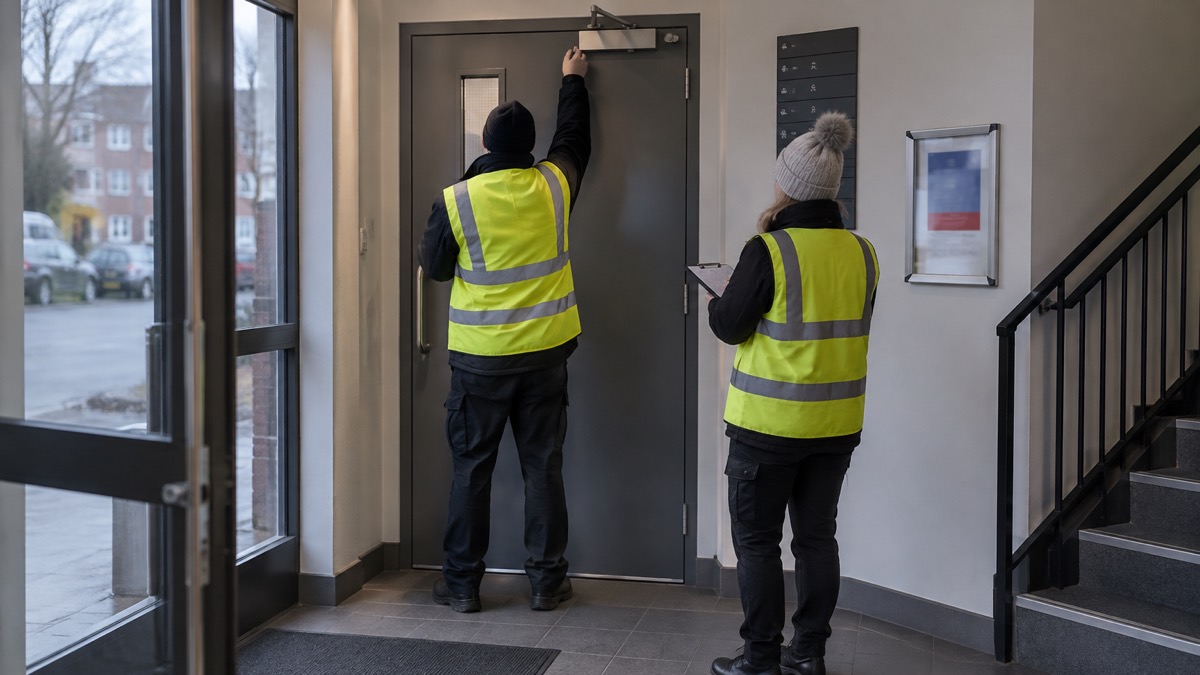
On fire doors, the service said fire doors provide lifesaving passive protection from the effects of both heat and smoke. Where a fire door is beyond repair and needs replacement, it sets out two approaches: installation of a manufacturer certified doorset (door, frame and fittings) fire rated to the correct specification and certified by the manufacturer, which the service recommends as best practice; or installation of a manufacturer certified door using component parts rated to the correct specification and approved for use with the door in accordance with the manufacturer's instructions. In both cases the installation should be completed by a third party accredited competent installer who would provide certification for the completed works1. Where a door is suspected of being defective, or no documentation exists for its installation, the service may request that the door or doors are assessed by a third-party accredited assessor certified in the inspection of fire doors. Third-party certification means the fire door manufacturer or installer is audited by an independent third party that checks the door or doorset is tested appropriately1. The service said it cannot provide contact details for approved contractors1.
Why it matters for households
The Regulations apply to multi-occupied residential buildings, and which requirements apply depends on a building's height, with high rise generally meaning ground plus more than four upper floors or a floor more than 18m from the ground1. For residents of such buildings, the changes concern how their building is managed for fire safety, including fire door installation and maintenance and the replacement of waking watch with common alarm systems in buildings with unsafe cladding1. The service's guidance on fire doors is addressed to owners and managing agents of tall buildings, covering best practice and legal responsibilities, and it points residents to separate safety advice for those living in high rise flats1.
What happens next
No further dates have been reported beyond the 23 January 2023 commencement. The service notes that the Dame Judith Hackitt review into high rise safety, the Government's response documents and the ongoing public inquiry are continuing to change thinking about tall buildings, and that it is working with Government and the National Fire Chiefs Council on proposed changes1. For general household planning around fire and other home emergencies, see the home emergencies hub.