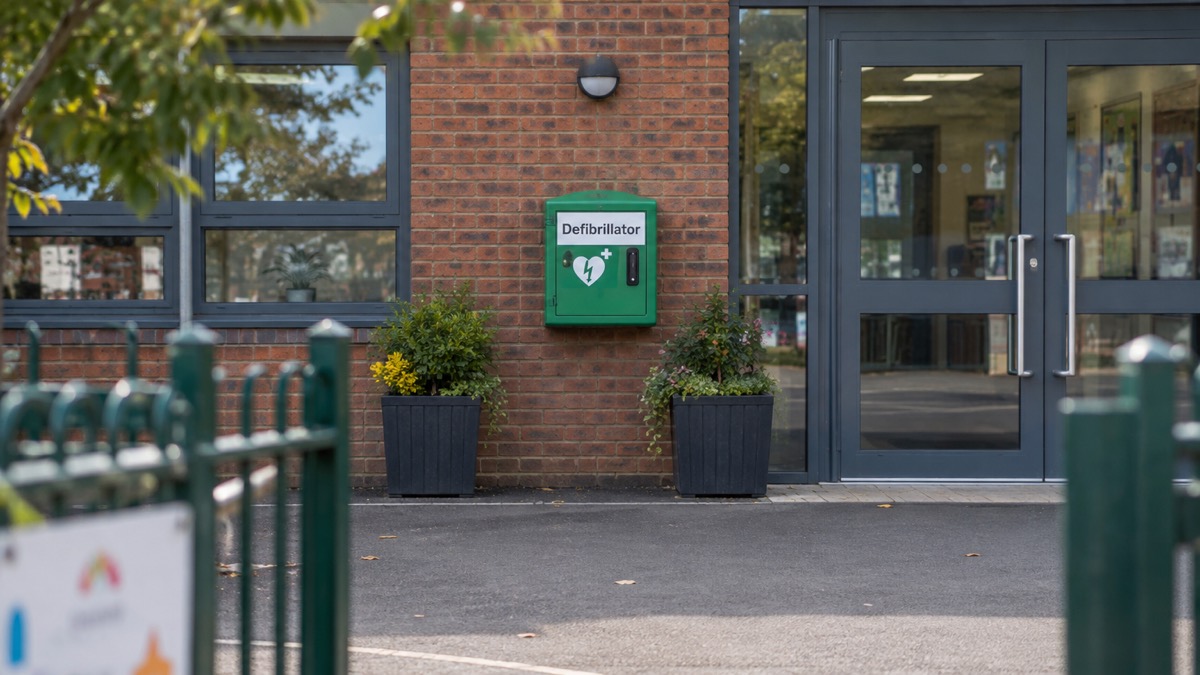
The Government confirmed on 25 July 2023 that all state-funded schools in England now have a life-saving defibrillator, following a £19 million rollout that delivered 20,376 devices to 17,862 schools since January1. The Department for Education oversaw the completion of deliveries to secondary schools in June, and all eligible primary, special and alternative provision schools that did not already have a defibrillator have now received deliveries1.
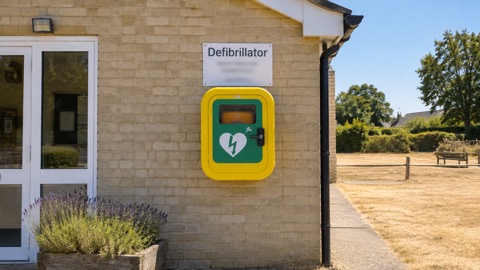
The programme followed a commitment made in July 2022 to deliver the devices before the end of the 2022/23 academic year, after campaigning by Mark King of the Oliver King Foundation, whose son Oliver suffered a sudden cardiac arrest at school during a swimming lesson at the age of 121. Large schools have been provided with two or more defibrillators so they can be placed in areas where a cardiac arrest is more likely, such as sports halls1. A further 1,200 external heated defibrillator cabinets are being provided to primary and special schools in areas of deprivation by the end of 2023, where provision is generally lower, so that devices can be made available to the community1.
| Item | Figure |
|---|---|
| Total funding | £19 million1 |
| Defibrillators delivered | 20,3761 |
| Schools receiving devices | 17,8621 |
| External heated cabinets due by end of 2023 | 1,2001 |
Resuscitation Council UK welcomed the milestone but said upkeep now matters. Its chief executive, James Cant, said:
"It's great news that 20,000 defibrillators have now been delivered to all state schools across England, it's now essential that they are regularly checked, registered on the Circuit and always rescue ready."
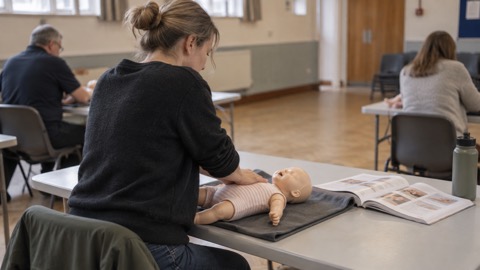
The British Heart Foundation reports that there are more than 30,000 out-of-hospital cardiac arrests in the UK each year and that currently less than 1 in 10 survive, with every minute without CPR and a defibrillator reducing survival chances by up to 10 per cent2. It says 8 in 10 out-of-hospital cardiac arrests happen at home2. The Department for Education said the rollout builds on existing requirements for schools to teach first aid as part of the curriculum, with secondary school pupils taught life-saving methods such as CPR and the purpose of defibrillators1.
Why it matters for households
The change covers state-funded primary, secondary, special and alternative provision schools in England; the position of independent schools is not covered by the Government announcement, though the British Heart Foundation says independent schools may be able to buy a defibrillator at reduced cost through the NHS Supply Chain1. For families, school grounds now hold equipment that can be used on pupils, staff and visitors while waiting for the emergency services1. The British Heart Foundation says a defibrillator owned and managed by a school should be kept outside the school gates in a heated and unlocked cabinet so that anyone could access it in an emergency2. Resuscitation Council UK says devices need regular checking and registration on The Circuit, the national defibrillator network, which lets ambulance services know their precise location1. The charity also called for more defibrillators to be placed outside school gates in high-risk areas so they are available to the community1. Households can read more about emergency care in our first aid guide.
What happens next
The 1,200 external heated cabinets for primary and special schools in areas of deprivation are due to be provided by the end of 20231. Resuscitation Council UK said it was encouraging that these community-facing defibrillators will be rolled out by the end of the calendar year1. No further dates have been announced.