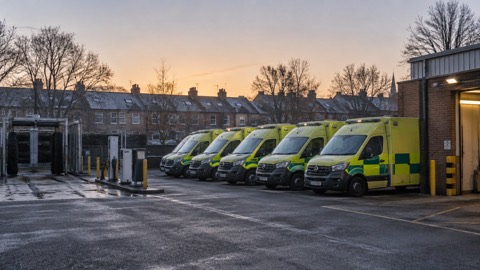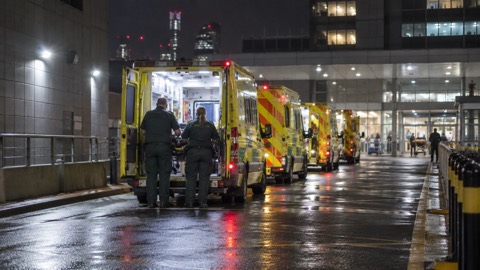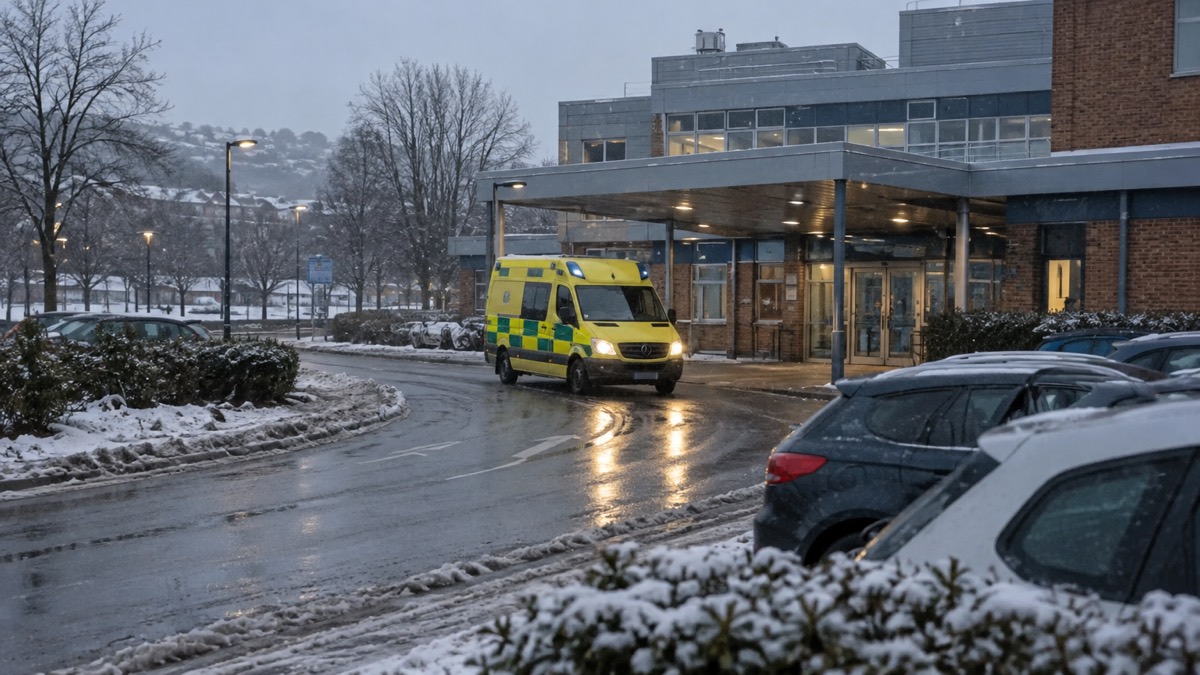
NHS England reported 85,467 arrivals at A&E via ambulance in the week ending 23 January 2022, in its weekly winter operational update published on 27 January 20221. The figure was an increase of almost 2,000 on the previous week and the busiest week for ambulance arrivals since the start of December1.
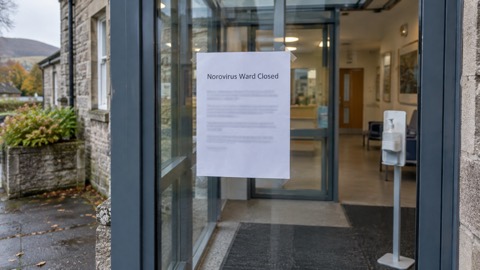
Pressure in hospitals remained high, with 93% of adult general and acute beds occupied over the week1. Paediatric general and acute beds saw an almost 3 percentage point increase in occupancy from the previous week to the week reported1. NHS staff absences also remained high, with more than 72,000 staff absent due to sickness each day last week on average, up 13,605 a day compared with the start of December1.
NHS National Medical Director Professor Stephen Powis said staff had answered thousands more 111 calls last week than the seven days before, continued to care for thousands of COVID patients and maintained non-COVID procedures1. He also set out what the public can do:
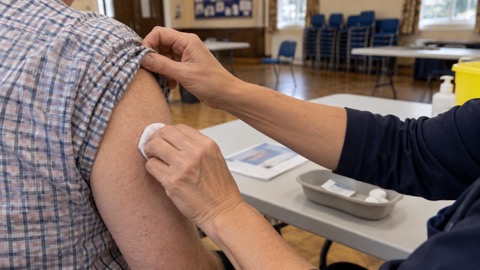
"The public can help us by coming forward for their lifesaving COVID vaccines, and as has been the case throughout the pandemic, if you have a health problem, please go to 111 online and call 999 when it is a life threatening condition, the NHS is here for you".
Why it matters for households
The figures cover England and the week ending 23 January 2022, and describe pressure on urgent and emergency care and on hospital beds over that period1. For households, the reported consequences are longer demand on ambulance and A&E services and a high share of general and acute beds in use1. NHS England's advice, given by its National Medical Director, is that people with a health problem should go to 111 online, and should call 999 when the condition is life threatening1. The same statement asks the public to come forward for their COVID vaccines1. The health emergencies hub covers wider health incidents and alerts for households.
What happens next
No further steps have been reported. The update was published and last updated on 27 January 20221.