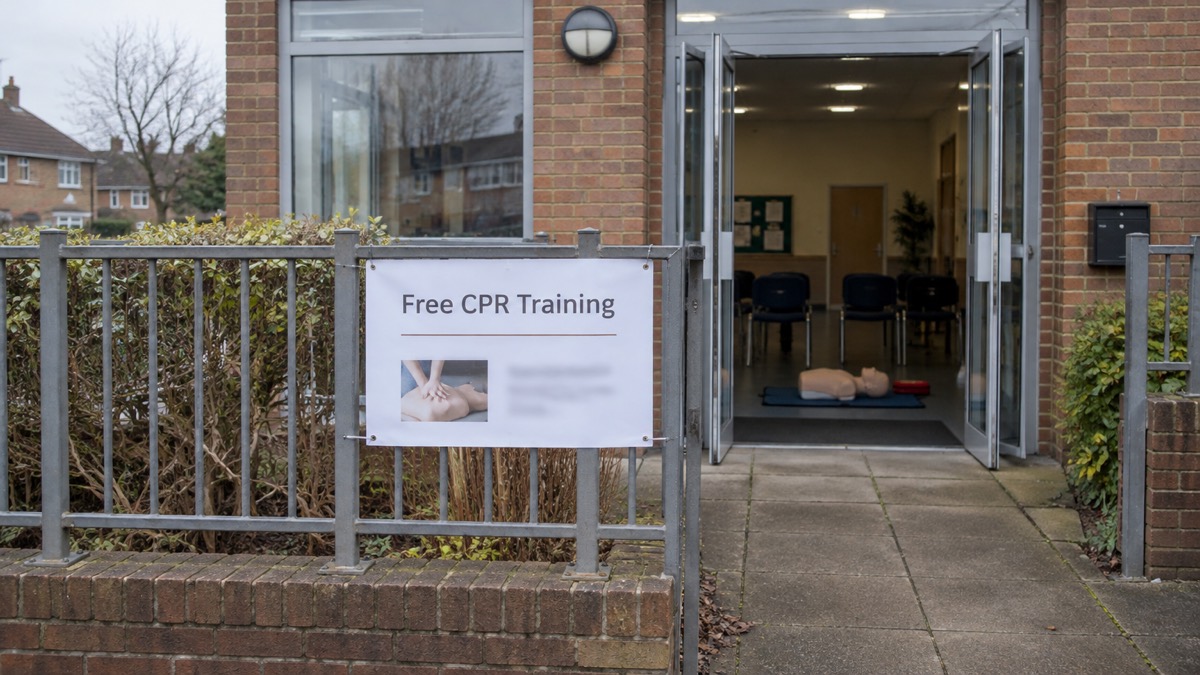
The British Heart Foundation (BHF) published findings on 1 February 2023 from a YouGov survey of more than 4,000 adults across the UK, showing that just half of people (51 per cent) in the UK say they would be able to perform CPR if a loved one had a sudden cardiac arrest in front of them1. The charity released the figures during Heart Month and called on the nation to learn lifesaving CPR1.
The survey found that a third of people (33 per cent) have never learned CPR1. Of those, almost half (47 per cent) said it was because they didn't know where to learn, while nearly a quarter (24 per cent) said they didn't have the confidence to learn1. The BHF said around 80 per cent of out-of-hospital cardiac arrests happen in the home, and that each year in the UK there are more than 30,000 out-of-hospital cardiac arrests1. Early CPR and defibrillation are shown to more than double the chances of surviving a cardiac arrest, but less than one in ten people survive, often because those around them don't have the skills or confidence to perform CPR1.
The BHF points to its free online tool, RevivR, which it says teaches in just 15 minutes when and how to do CPR, and for which all you need to practise is a mobile phone and a cushion1. The tool teaches how to recognise a cardiac arrest, gives feedback on chest compressions and outlines the correct steps of defibrillator use1.
"Every second counts when someone has a cardiac arrest, and knowing CPR could be the difference between life and death. A cardiac arrest can happen to anyone at any time - it could be your partner, your mum or dad or your child."
Why it matters for households
The BHF's figures place cardiac arrest mainly in the home: around 80 per cent of out-of-hospital cardiac arrests happen there, according to the charity1. That means the people most likely to need CPR are household members and others present when someone collapses, and the survey suggests about half of adults are not confident they could act1. The BHF attributes low survival in part to bystanders lacking the skills or confidence to perform CPR, and reports that not knowing where to learn and lack of confidence are the main reasons people give for never having learned1. The charity's stated aim for Heart Month is for the nation to learn CPR, and it describes RevivR as free and requiring only a mobile phone and a cushion to practise1. Households looking for general first aid guidance can use the site's first-aid hub.
What happens next
The BHF's announcement gives no further dated steps beyond the Heart Month call to learn CPR and the availability of RevivR1.