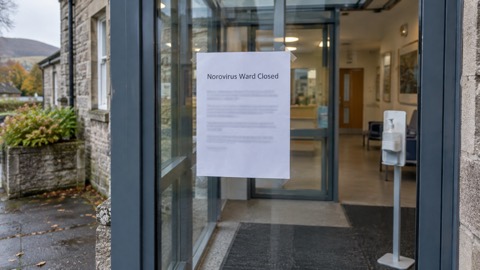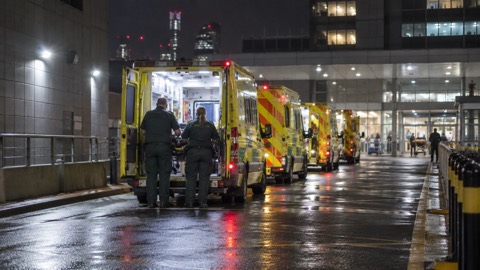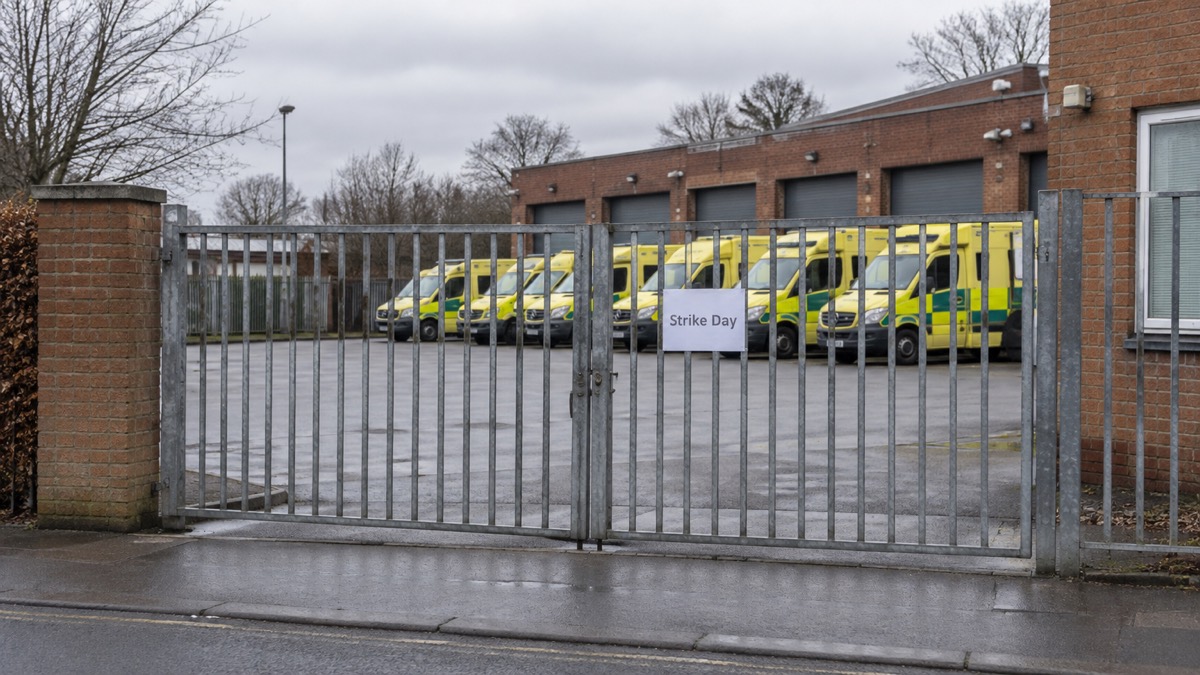
Ambulance workers in England struck on Friday 10 February 2023, following previous action on Monday, NHS England said. Nurses at 73 trusts in England took action on Monday and Tuesday, and physiotherapists struck on Thursday1. NHS England described the week as the biggest industrial action in the history of the NHS1.
NHS England reported that 41,425 hospital appointments were rescheduled following action on Monday and Tuesday1. It said the scale of action meant increased disruption was inevitable, and that the health service had less time to recover between strikes than in previous periods of action1. Monday 6 February was the first time both nurses and ambulance workers struck on the same date2.
NHS England set out the week's action as follows2:
| Day | Action |
|---|---|
| Monday and Tuesday | Nursing strikes across 73 trusts in England |
| Monday and Friday | Ambulance workers striking across different parts of the country |
| Thursday | Physiotherapist strikes |
NHS Medical Director Sir Stephen Powis said:
"NHS staff have made incredible efforts to keep critical services running as best they can, but the reality is that today's strike comes at the end of the biggest industrial action in the history of the NHS, and there has been little time to recover between strikes."
NHS England said plans were already in place to manage additional demand, including 24/7 control centres, additional bed capacity, more mental health support for ambulance services and more community falls services1. It said it had issued guidance to local NHS employers in November on what derogations they should seek from local union representatives to ensure certain vital services such as chemotherapy continue1.
Why it matters for households
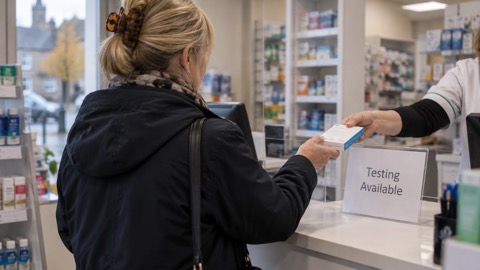
NHS England urged the public to continue to call 999 in a life-threatening emergency and to use NHS 111 online for non-urgent needs1. It said the online service makes an assessment after questions about health needs and directs people to the best place for their care, which can include a consultation with a pharmacist, a call back from a nurse, or a same day urgent treatment centre or A&E1. It also pointed to local pharmacies and general practice1.
General practice, community pharmacies and dentistry were not impacted by strike action, and NHS England said the public should continue to access these services as needed on strike days2. Patients were urged to continue to attend planned appointments unless contacted by the NHS to rearrange; NHS England said it would contact anyone whose appointment needed to be rescheduled1.
NHS England said demand was rising compared with previous days of industrial action, and that people should not put off seeking care1. It said NHS England and local NHS areas had plans in place to ensure life-saving care continues and to minimise disruption to patient care1. In December the NHS launched the latest phase of a TV campaign encouraging the public to use NHS 111 online1.
For households managing health needs during disruption to services, the site's health emergencies hub covers related planning.
What happens next
The 10 February 2023 update did not set out further strike dates beyond the action that week. No further dates have been reported in these announcements.