
OEX is a camping brand, and camping kit is some of the most useful equipment a household can hold for an emergency. A tent gives you a dry, private place to sleep if you have to leave home. A sleeping bag and mat keep you warm when the heating has gone off. A folding gas stove lets you cook a hot meal during a power cut. A rucksack carries the grab bag you may need to pick up and go with.
None of it replaces a household plan. Official advice is to keep blankets, sleeping bags and warm clothing ready because homes can become cold very quickly when the heating goes off1. The same principle runs through every OEX item below: it is kit that does a job when the normal systems fail, provided you have it, know how to use it, and store it where you can reach it.
One safety notice matters more than anything else on this page. The OEX Folding Gas Stoves were recalled from end users and withdrawn from the market in June 2024, because the gas hose may degrade over time, leading to a gas leak and possible hose ignition2. Check any OEX stove you own against that notice before you use it again.
What OEX makes for UK households
OEX's kit falls into four groups that map onto the four things a household most often needs in an emergency: somewhere to sleep, warmth, a way to cook, and a way to carry supplies. Tents and shelters cover the first. Sleeping bags and mats cover the second. Folding gas stoves cover the third. Rucksacks and bags cover the fourth.
The case for holding any of it is straightforward. One in six homes in the UK is at risk of flooding, so an evacuation is a real possibility for many households, not a remote one5. Official advice for a chemical incident is to get an overnight bag ready because you may be evacuated6. If you are asked to leave, you can go to relatives, friends, a community place of safety or a local authority rest centre7. A rest centre can provide short-term shelter, warmth, food and refreshment, and some areas pre-designate sites providing short-term or overnight accommodation and meals8. But you may spend hours waiting, or be asked to move on, and having your own shelter and bedding makes that far more comfortable.
| Kit type | What it does in an emergency | Where it fits |
|---|---|---|
| Tents and shelters | A dry, private place to sleep away from home | Evacuation, a night out of the house |
| Sleeping bags and mats | Warmth when the heating fails | Power cuts, cold weather, rest centres |
| Folding gas stoves | Cooking without mains power | Power cuts, gas failures |
| Rucksacks and bags | Carries the grab bag | Evacuation at short notice |
Energy costs are part of why households think about this. Gas is used to generate around 40% of the UK's electricity, so higher gas prices lead to more expensive electricity bills, which is one reason a household might look at alternatives for heating and cooking10. That is context, not a reason to take risks: the safety sections below set out where a camping stove can and cannot be used.
OEX tents and shelters for a night away from home
A tent is the item that turns an evacuation from a night in a hall into a night with a door you can close. Official advice is to get an overnight bag ready, as you may be evacuated6. If you choose not to stay at a rest centre, tell the emergency services where you have gone and how you can be contacted by calling 101, or tell rest centre staff, so everyone is accounted for and unnecessary searches are avoided; a carer can do this for you if required11.
Tents are not only for evacuation. If your home is damaged by a storm or flood, a tent in the garden can give you somewhere to sleep while the house is dried out, and it keeps you on site. Your home insurance policy may cover temporary accommodation in an emergency, so check before you assume you will need the tent12.
Fire safety applies to tents as much as to houses. The fire and rescue service advice is to know how to escape by cutting your way out of the tent should there be a fire3. Practise that once in daylight: know where the door is, keep a knife where you can reach it, and never block the entrance with bags.
Before you rely on a tent, pitch it once at home. Check that all the poles and pegs are present, that the flysheet is intact, and that you can put it up without the instructions. Then pack it back with the instructions in a waterproof bag, so it is ready when you need it rather than when you have time to learn.
Sleeping bags and mats: staying warm without heating
Warmth is the most immediate need in a winter power cut. Official advice is to keep warm by using blankets and layered clothing, and to keep doors of unused rooms closed and curtains closed to keep the heat in13. The Be Ready checklist is blunt about why: homes can become cold very quickly when the heating goes off, so keep blankets, sleeping bags and warm clothing14. A sleeping bag is simply a more efficient blanket, and a mat underneath stops the cold coming up through the floor.
The NHS and local authority advice for cold weather is to layer up with warm clothing and use lap blankets when sitting for long periods15. Outside, wrap up warm by wearing several layers of clothing, a hat, gloves and a scarf, and keep dry to prevent loss of body heat16. A sleeping bag does the same job indoors, and it is easier to store than a stack of duvets.
| What to keep ready | Why it helps | Source |
|---|---|---|
| Sleeping bags | Warmth when the heating is off | 14 |
| Blankets and duvets | Warmth sitting or in bed | 17 |
| Layered clothing | Traps warmth close to the body | 13 |
Store sleeping bags loose rather than compressed, so they keep their loft, and check them each autumn before the cold weather. If you have a baby or an older person in the household, put their bag and mat where they can reach them without help, and keep a torch beside them.
OEX camping stoves: cooking during a power cut
A folding gas stove gives a household a way to boil water and heat food when the power is off. OEX makes two folding models, the OEX Folding Novo Stove and the OEX Folding Savo Stove, and the wider guide to heating and cooking without mains power or gas sets out how a stove fits a household plan.
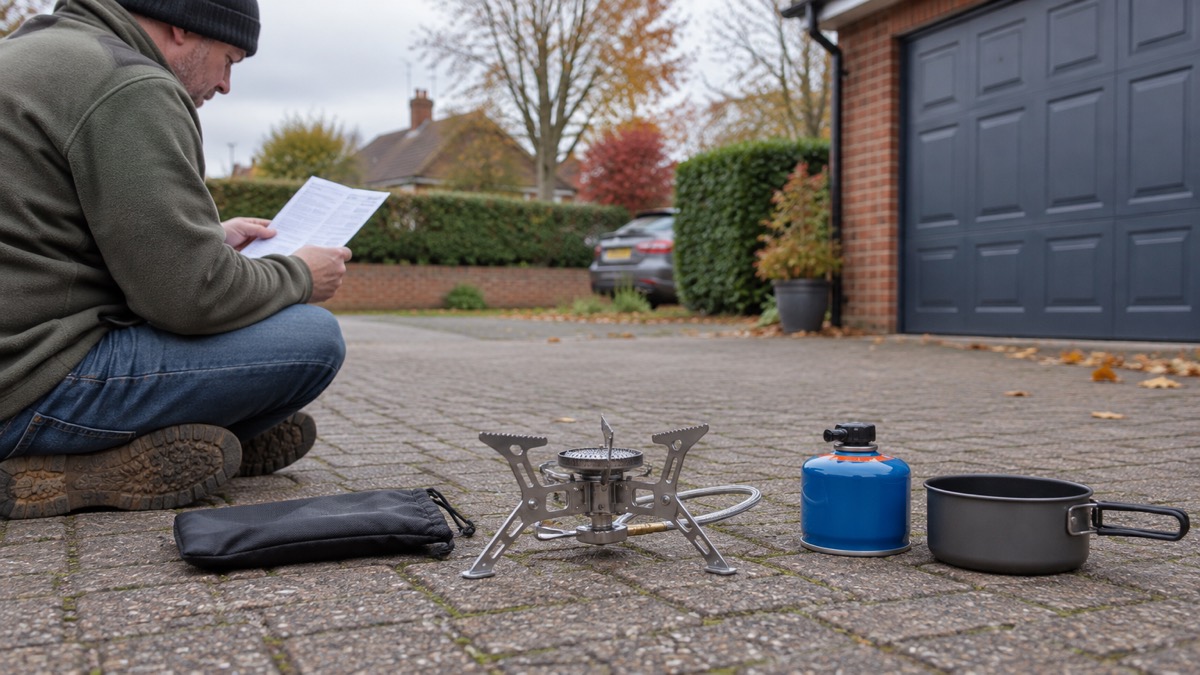
A stove is only useful if it is safe. The OEX Folding Gas Stoves were recalled from end users and withdrawn from the market in June 2024, because the gas hose may degrade over time, leading to a gas leak and possible hose ignition2. The notice says the affected products do not meet the requirements of Regulation 2016/4262. Check your model and production code against the recall before you cook on it.
Cooking indoors on mains appliances carries its own risks, which is why the fire and rescue service recommends stove guards that cut the power if food has started to burn, a pan has boiled dry, the temperature is becoming dangerously high, the hob has been left unattended, the temperature is rising too quickly, or the cooker has been left on after cooking has finished19. A camping stove has none of those safeguards, so you must supply them yourself: stay with the stove, keep a lid and a fire blanket to hand, and never leave it burning unattended.
Where a camping stove must never be used
The same rule applies indoors at home. A stove, barbecue or patio heater used in a kitchen, garage, shed or conservatory during a power cut can kill, because carbon monoxide is invisible and has no smell. The fire and rescue service is explicit: never use barbecues inside or near the entrance to your tent or caravan, either for cooking or as a heat source, because the carbon monoxide they produce is lethal3.
Set the stove up outdoors, on a stable, level, non-combustible surface, well away from tent walls, doors and anything that can catch. Keep it out of wind, and never move a lit stove. Let it cool completely before you change a cartridge or pack it away. If anyone in the household feels dizzy, sick or confused while a fuel-burning appliance is in use, get them into fresh air and seek medical help.
Rucksacks and bags for a grab bag
A rucksack is the container for the grab bag, and the official advice on the bag itself is simple: keep it in a box or waterproof bag that can be accessed quickly4. A rucksack does that job well because it can be carried on your back, leaving your hands free, and it keeps the contents dry if you are caught in rain or floodwater.
What goes inside matters more than the bag. The emergency kit guide sets out a full list, and official advice is that preparing an emergency kit in advance can mean you have just what you need to make the emergency more manageable, or make time away from home more comfortable if you are evacuated21. Spare keys for your windows, car and house are one item worth adding21. If you drive, keep a vehicle emergency kit ready for incidents where you are stranded for a long period unexpectedly4.
- Keep the bag by the door, not in the loft or the back of a cupboard.
- Put a copy of the household plan and any medication list inside.
- Check it each season and replace anything out of date.
- Keep a smaller version in the car if you travel regularly.
Storing OEX kit so it is ready for an emergency
Kit that is packed away and forgotten is kit you cannot use. Official advice is to make up a home emergency pack, prepare an evacuation checklist, and keep a basic emergency kit in your vehicle depending on the time of year7. Treat your OEX kit the same way: as part of that pack, checked on a schedule, stored where you can reach it in the dark.
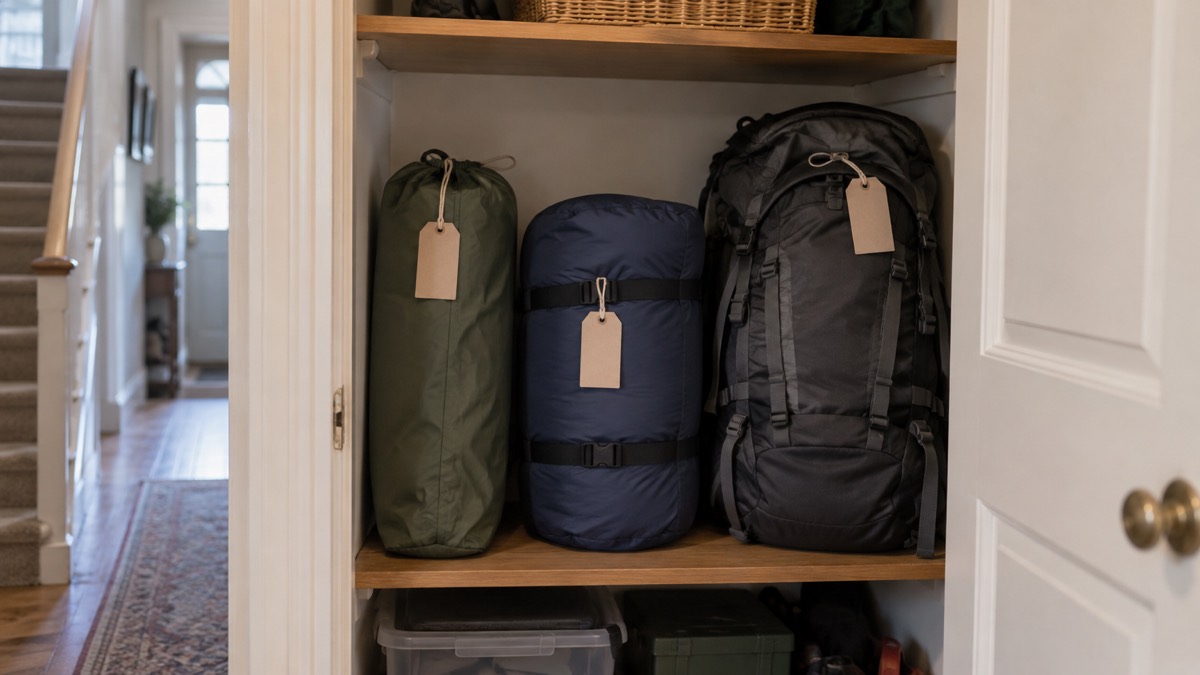
Store tents and sleeping bags dry and loose, never damp and compressed, and keep the instructions with them. Store gas cartridges and stoves outdoors or in a well-ventilated shed, never in a bedroom or under the stairs, and never near a heat source. Keep a torch beside the kit so you can find it in a power cut2.
A simple routine works: check the kit each spring and autumn, replace anything worn, and run through the plan with everyone in the household. The getting started guide sets out how to build that routine from scratch.
Support, warranty and safety notices
Register your product with the manufacturer for safety updates, recalls and warranties22. You will typically need the model name or number, the serial number and the purchase date23. Keep the receipt with the kit, and note the model and serial number on your household plan.
Check for recalls before you use any appliance. The fire and rescue service advice is to check your appliances are not subject to a product recall by checking the Office for Product Safety and Standards alerts and recalls page24. The Electrical Safety First product checker lists electrical products recalled since 2007, and if a product you own is not listed it has not been recalled and should be safe to use; if you have concerns, contact the retailer or manufacturer23. Fire and rescue services in Scotland give the same advice to check the list of recalled items on the Electrical Safety First website25.
For repairs and spare parts, start with the retailer you bought from, then the brand details on the packaging. Keep the user instructions with the kit, and if they are lost, ask the retailer for a copy rather than guessing at how a gas appliance connects.
Sources (25)
- Be Ready: power cuts, UK Government, 2026-10-21
- Product recall: OEX Folding Gas Stoves 2405-0060, GOV.UK, 2024-06-06
- Camping and caravanning, Devon and Somerset Fire and Rescue Service, 2025-06-20
- Emergency kits and grab bags, Central Bedfordshire Council, 2026
- Flooding, Wiltshire and Swindon Prepared, 2026-10-25
- Chemical incidents, Fareham Borough Council, 2026-10-29
- Preparing for emergencies, Somerset Council, 2026-09-17
- Pets, West Yorkshire Prepared, 2026-10-29
- What happens in an emergency, Shropshire Council, 2026-10-29
- Energy domestic consumer advice, Ofgem, 2024-11
- Step 2: during an emergency, Essex Prepared, 2026-10-29
- Preparing for civil emergencies, Argyll and Bute Council, 2026
- Loss of essential services, Greater Manchester Combined Authority, 2026-10-29
- Be ready for emergencies - Be Ready, prepare.campaign.gov.uk (Be Ready campaign)
- Stay warm and safe, Staffordshire County Council, 2026
- Cold weather advice, West Midlands Ambulance Service, 2026-05-20
- Be more resilient in 30 simple ways in 30 days, Scottish Borders Council, 2026-10-29
- Wheat bags, Greater Manchester Fire and Rescue Service, 2026-10-29
- Cooking fire safety devices, Greater Manchester Fire and Rescue Service, 2026-10-29
- Camping safety, Cheshire Fire and Rescue Service, 2025-07-26
- Planning for an emergency kit, Wiltshire Council, 2026-10-29
- E-bikes and e-scooters, Cheshire Fire and Rescue Service, 2026-09-30
- Checking your electrical products, Gloucestershire Fire and Rescue Service, 2025-02-27
- Maintain appliances and recalls, Greater Manchester Fire and Rescue Service, 2026-10-29
- Electrical safety, Scottish Fire and Rescue Service, 2025-02-27
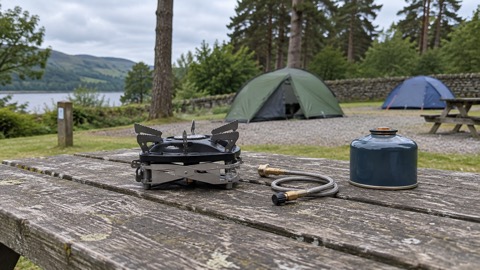 OEX Folding Novo StoveRecalled
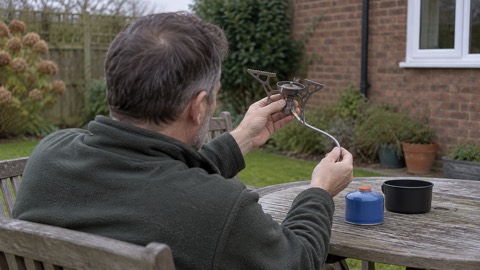 OEX Folding Savo StoveRecalled