Northern Ireland Fire & Rescue Service (NIFRS) received 164 emergency calls between midnight and 10am on Friday 24 January 2025 as Storm Éowyn affected the province, with fire crews mobilised to 59 of those incidents1. The figures were issued in an operational update by NIFRS Group Commander Alan O'Neill1.
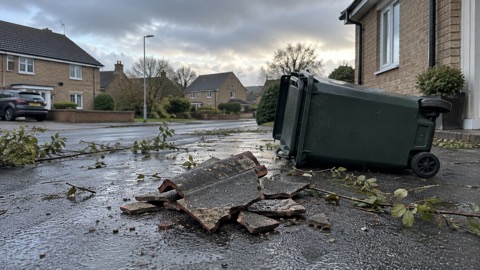
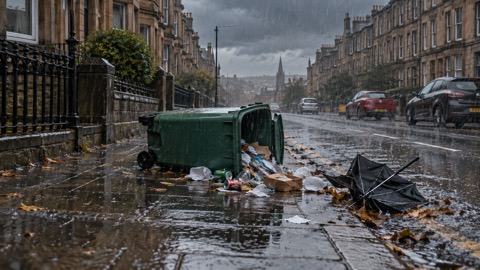
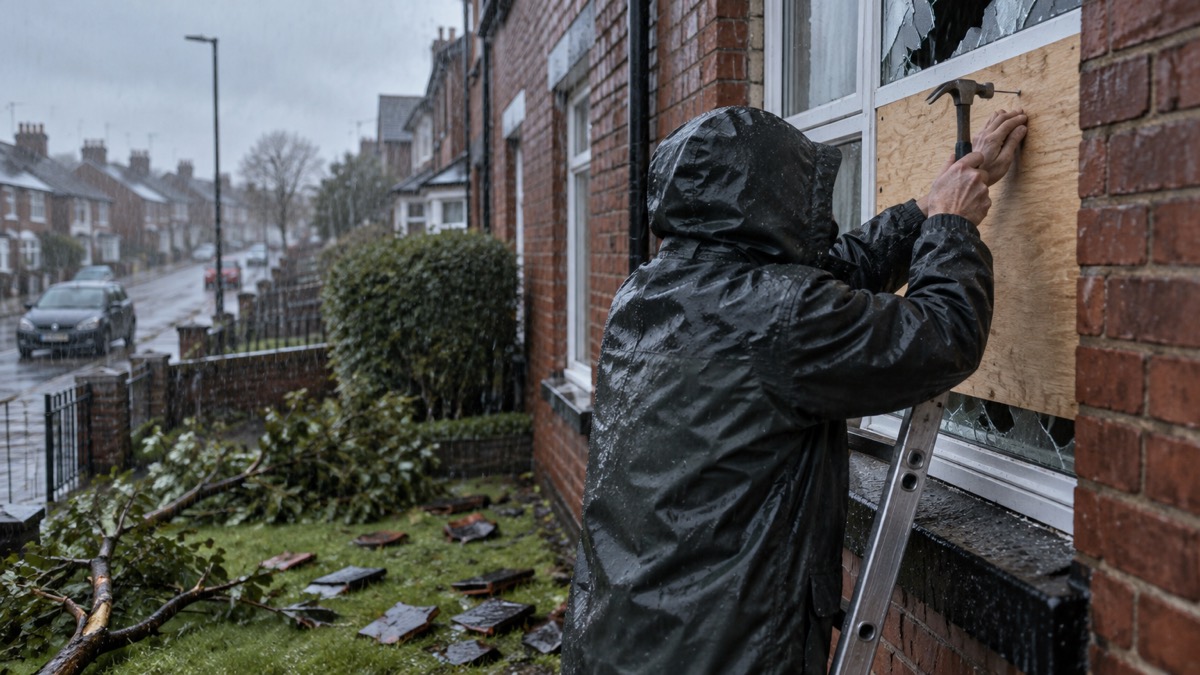
Of the calls in that ten-hour period, 36 related to fallen trees, 3 to electrical poles and 2 to road traffic collisions1. NIFRS said crews continued to respond to other incidents during the period, including animal rescues, collapsed buildings, hazardous materials and property fires1.
A second update at 2pm the same day put the totals from midnight to 2pm at 261 emergency calls, of which 58 related to fallen trees and 7 to electrical poles, with crews mobilised to 87 incidents2. The service said weather warnings remained in place throughout the evening2.
"NIFRS has been responding to incidents related to Storm Éowyn across the province."
The service issued safety messaging alongside both updates. It asked the public to pay attention to road closure advice, noting that many roads were closed for the safety of road users, and said that if a journey is essential, drivers should reduce speed, stay well behind the vehicle in front, remain focused and always wear a seatbelt1. Motorists were told to drive at the speed the conditions allow for, as it takes longer to stop when the road is wet1.
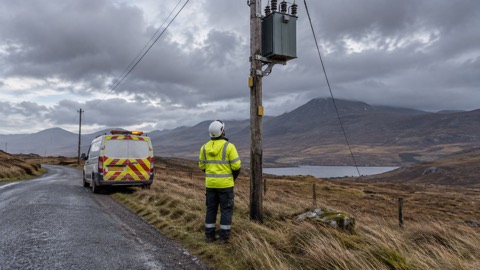
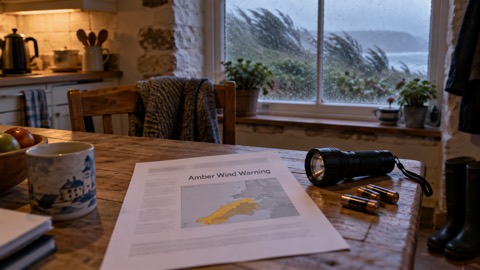
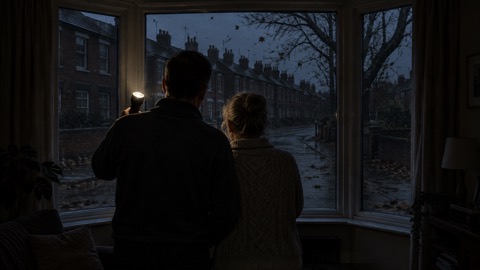
On power cuts, NIFRS advised households to have a torch or battery operated candles ready, and, if using an open fire to keep warm, to use a fire guard2. It said people should stay clear of any damaged electricity equipment and report it immediately to NIE Networks on 03457 643 6431. Serious flooding should be reported to the NI Flooding Incident Line on 0300 2000 100, and obstructions can be reported at www.nidirect.gov.uk or on the 24-hour number 0300 200 78991. NIFRS stated that if there is a risk to life, the public should dial 999 immediately and it will respond1.
Why it matters for households
The updates cover households across Northern Ireland, where fallen trees and damaged electricity equipment accounted for the largest share of the calls reported1. The service's messaging addresses the practical effects of the storm on homes: loss of power, roads blocked by debris, and the fire risk of using open fires or candles for light and warmth during an outage1. NIFRS also asked people, if they can, to check in with vulnerable family, friends and neighbours by telephone to ensure they are staying safe1. The 2pm update said weather warnings remained in place throughout the evening of 24 January2. Further updates beyond that point have not been reported here.
What happens next
No further operational updates from NIFRS are given in these statements. Households in Northern Ireland can follow the service's storm and snow guidance in our storms and snow hub.