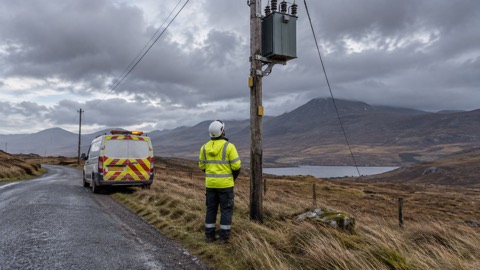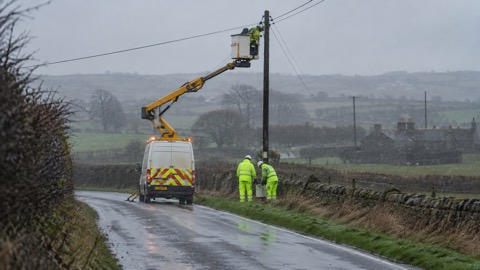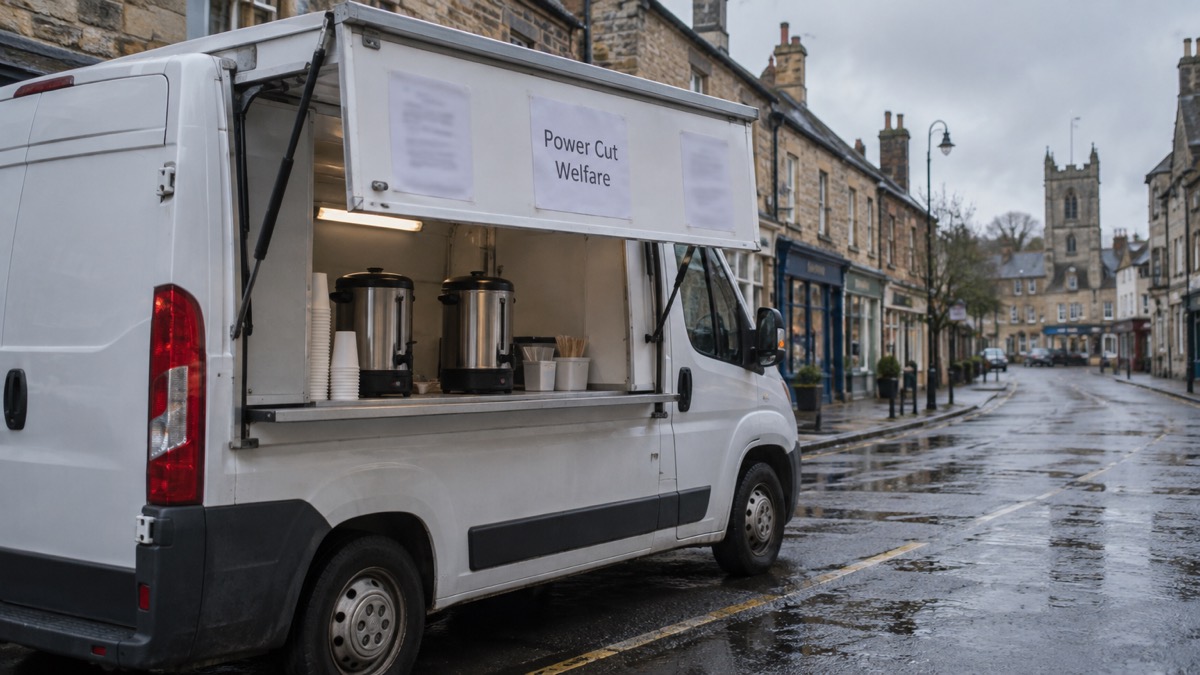
Storm Bert brought high winds and heavy rain across Scottish and Southern Electricity Networks' (SSEN) central southern England licence area, which has Wiltshire at its heart, cutting power to 60,000 customers at the height of the storm1. The account was published by Wiltshire & Swindon Prepared, the local resilience forum, as a case study of the utility's response1. SSEN's central southern England area experienced two named storms during November and December 2024, Storms Bert and Darragh1.
Wind gusts of over 60mph were observed inland, causing damage to the overhead electricity network from fallen trees, branches and other debris picked up by the wind1. There were almost 700 faults across the network in total, and all but 690 customers were back on within 24 hours of losing supply1. SSEN said steady, persistent rain fell throughout the period; rain has less direct impact on the overhead network but can affect the ground poles sit in, and flooding makes getting to faults to repair them more challenging1.
During Storm Bert, SSEN took 13,000 calls on its free 105 phone line, answered within 47 seconds on average, and more than 6,000 customers got in touch on social media, hearing back within 9 minutes1.
"At the height of Storm Bert, 60,000 of our customers lost power; there were a total of almost 700 faults across our network. Yet all but 690 customers were back on within 24 hours of losing supply."
SSEN set out the preparations it makes as it monitors the forecast before severe weather arrives1:
| Preparation step | What SSEN says it does |
|---|---|
| Planned works | Cancels all planned works on the network to free up teams for storm damage |
| Staffing | Brings staff down from its North of Scotland licence area, unless that area also expects severe storm impacts, and speaks to contract partners for further reinforcements |
| Storm roles | Everyone in the Distribution business assumes a storm role, bolstering call handling, backroom support and engineering response |
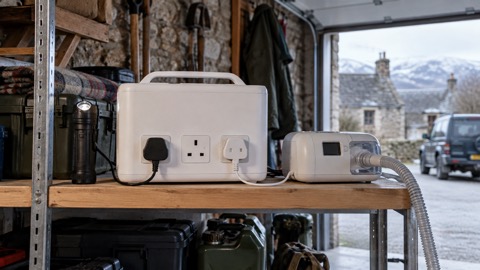
| Priority Services customers | Contacts those in areas likely to be affected with practical information and advice on preparing for disruption to supply |
| Local Resilience Forums | Tells forum members what it expects and how it is gearing up, amplifying messages on social media and, in some circumstances, through proactive media communications |
| Depots and vehicles | Ensures they are fully stocked with the equipment needed for repairs |
SSEN said it invests hundreds of millions of pounds every year to make its network stronger and more resilient, but that some damage is often inevitable1. It linked the increasing frequency of severe weather to the changing climate1.
Why it matters for households
The account shows what a named storm can do to overhead supplies inland, not only on the coast: gusts of over 60mph brought down trees and branches and produced almost 700 separate faults1. For households in the affected parts of central southern England, the practical effect was a loss of power, with restoration for the great majority within a day and a small remainder, 690 customers, off for longer1. SSEN's stated practice is to contact Priority Services customers in areas likely to be affected before disruption, with practical information and advice on preparing1. Households can report a power cut or get information on the free 105 phone line, which SSEN used to handle 13,000 calls during the storm1.
What happens next
No further dates or steps are given in the account. SSEN's preparation steps, including contacting Priority Services customers ahead of forecast disruption, are described as its standing practice when severe weather is expected1.
Sources (1)
- Spotlight on SSEN - Storm Bert - Case Studies - Wiltshire & Swindon Prepared, wiltshireandswindonprepared.org.uk
 Storms and the Electricity Grid
 Why the Electricity Goes Off