The National Water Safety Forum (NWSF) published its 2022 water incident statistics on 18 May 2023, showing 226 accidental drownings in the UK, and used the release to promote its #RespectTheWater campaign as warm weather begins while water temperatures remain dangerously cold1.
The figures come from the Water Incident Database (WAID), which the NWSF maintains. Total deaths in water for 2022 were 597, a decrease of 19 from the previous year, of which the 226 accidental fatalities form part1. Of the 226 accidental deaths, 105 occurred during June, July and August, which the NWSF gives as 46% of the year's total in those three months1. Inland water, such as rivers, canals, lakes, reservoirs and quarries, remained the leading location for accidental drowning at 60% of deaths, and males accounted for 83% of accidental fatalities. Recreational activities accounted for 58%1.
| Measure | 2022 figure |
|---|---|
| Accidental drowning fatalities, UK | 226 |
| Of which in June, July and August | 105 (46%) |
| England | 151 |
| Scotland | 45 |
| Wales | 22 |
| Northern Ireland | 8 |
| Deaths at inland water | 60% |
| Male share of accidental fatalities | 83% |
| Share linked to recreational activities | 58% |
| Total deaths in water (all causes) | 597, down 19 on the previous year |
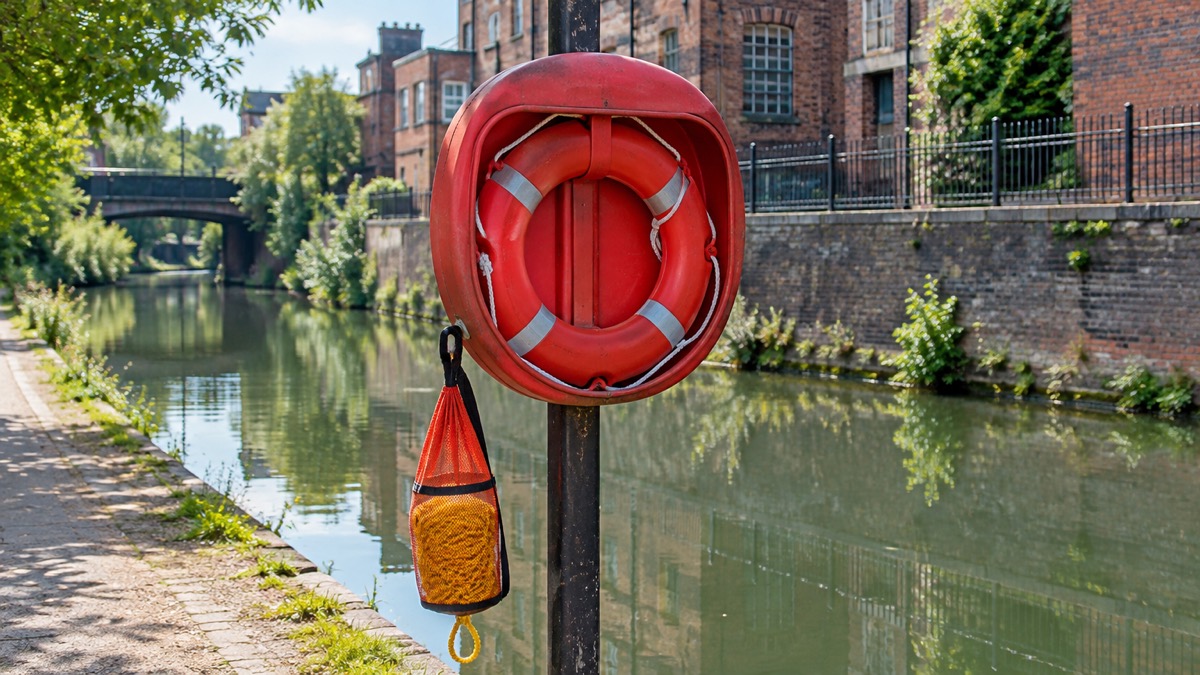
The campaign this year focuses on knowing how to help other people in trouble in the water. The NWSF sets out a three-step rescue guide, Call, Tell, Throw: call 999 and ask for Fire & Rescue if inland or the Coastguard if by the sea; tell the struggling person to try to float on their back; and throw them something that floats1.
"These devastating numbers are an annual tragic reminder about the importance of raising awareness of water safety and drowning prevention, so we urge the public to understand the dangers and to learn the importance of knowing what to do in an emergency: if you see someone in trouble in the water, the best way you can help is by staying calm, staying on land, and following the 3-step rescue guide, Call, Tell, Throw."
Whittaker also said the extreme heat last summer presented considerable challenges at coastal and inland waterways as more people entered the water to cool down, and that the forum has seen increased numbers participating in water sports and water-based activities, with a rise in incidents associated with activities such as stand-up paddleboarding and open water swimming1.
Why it matters for households
The figures set out where accidental drownings happen and who is most often involved: inland rivers, canals, lakes, reservoirs and quarries rather than the coast, mostly men, and largely during recreational activity1. The summer concentration matters for households planning time near water in the coming months: 105 of the 226 deaths fell in June, July and August, and the NWSF notes that warm weather arrives while water temperatures remain dangerously cold1. The forum's advice for anyone who sees someone in trouble is to stay calm, stay on land and follow Call, Tell, Throw rather than entering the water1. General household planning for water, including flooding and water supply, is covered in the guide to water.
What happens next
The NWSF says it will promote the #RespectTheWater campaign later in the summer for World Drowning Prevention Day on 25 July1. It states a collective goal of halving accidental drownings in the UK by 2026, and notes a UN resolution recognising the scale and burden of drowning and calling for urgent international action1.