Ofgem published an interim report on 17 February 2022 into how electricity distribution network operators (DNOs) responded to Storm Arwen, the storm that brought severe winds across the UK overnight on 26 to 27 November 20211. The report gives a factual account of the storm's impact and the companies' response, and an early indication of the areas needing further investigation before a final report, which the interim document said would be published in spring 20221.
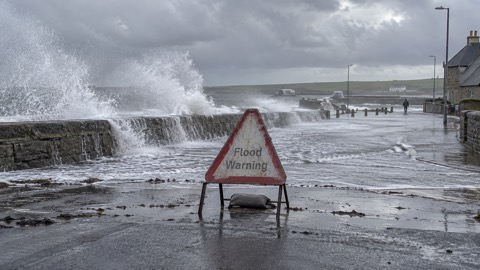
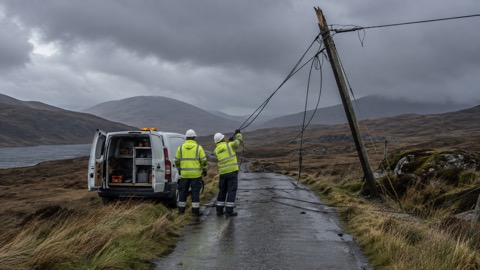
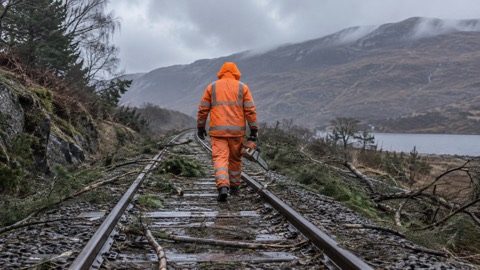
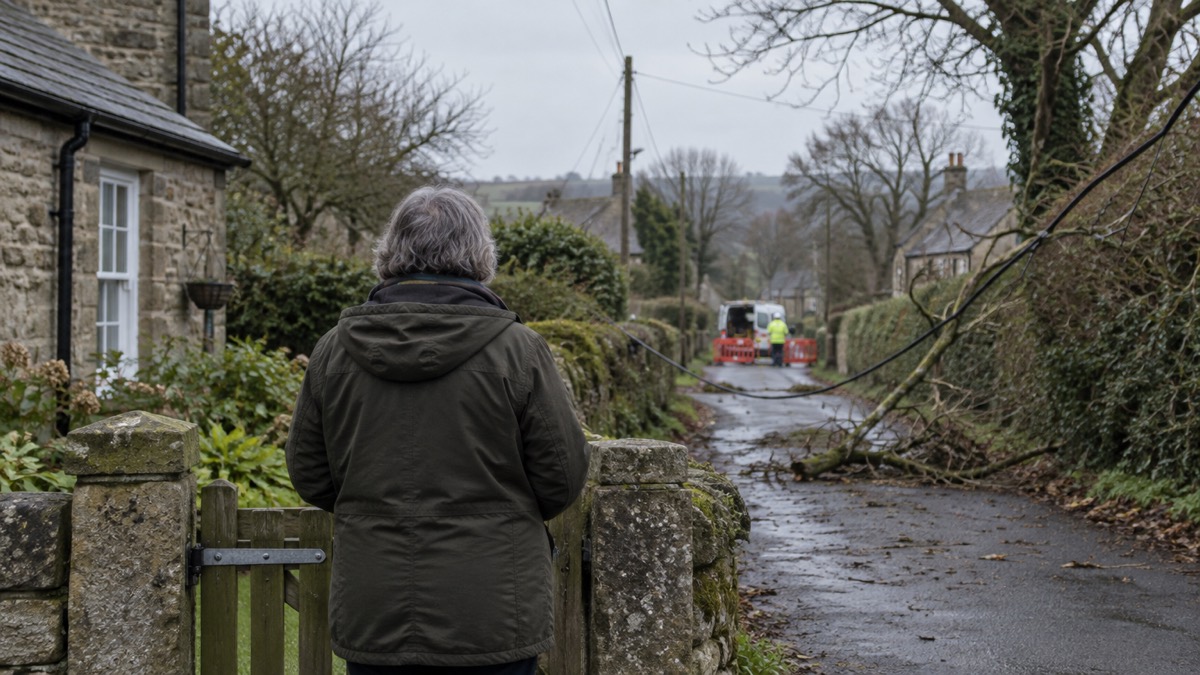
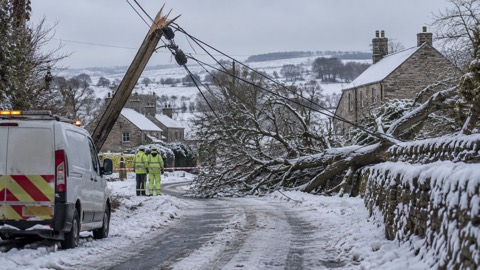
The Met Office issued a red warning for wind on the east coast of Scotland and north-east England on 26 November, with winds reaching up to 98mph in some parts of Northumberland1. Nearly one million customers lost power, with about 3,000 left off supply for over a week1. The interim report states that 85% of customers were reconnected within 24 hours, and that 11 of the 14 GB network licence areas were significantly affected1. It records that damage was mainly caused by high winds that snapped or uprooted trees onto overhead lines, ice accretion on overhead lines and flying debris, and that road blockages from fallen trees caused access problems1. The Met Office described the storm as one of the most powerful and damaging winter storms of the last decade1.
The interim report lists the issues to be explored further: companies' investment in network resilience; difficulties and delays some customers experienced contacting their DNO; differing approaches to deploying generators; the accuracy of estimated restoration times; communication and support for customers on the priority service register; the speed of compensation payments; the £700 compensation cap; and the roles and responsibilities of DNOs in supporting vulnerable customers during outages1. It notes that DNOs agreed to lift the £700 cap so that customers were fully compensated, and that by the first week of January 2022 most DNOs had paid all affected customers in that category1. Ofgem also said it would examine whether companies may have breached statutory obligations or licence conditions, potentially leading to enforcement action1.
"This report provides a factual account of Storm Arwen's impact on the electricity network and its customers, and how the network companies responded to the event."
Why it matters for households
The review covers the companies that own and operate the wires delivering power to homes, so its findings bear on how quickly supply is restored and how households are kept informed during a prolonged outage. The interim report records that losing power for long periods disrupted daily life, and that some customers were also without water, communications and other services dependent on electricity1. It notes that some DNOs told Ofgem they contacted priority service register customers before and during the incident, and that this will be looked at more closely against licence obligations1. The report also records that it took considerably longer to identify and pay customers for whom DNOs did not hold records1. The interim report is an early account based on information available at the time, and Ofgem said findings may be updated as its understanding develops1.
What happens next
Ofgem said the final report would be published in spring 2022, following further analysis and a programme of consumer research into the experiences of customers who endured a prolonged outage1. The review runs alongside separate reviews by BEIS and the Scottish Government into the impacts of Storm Arwen1.
Sources (1)
- ofgem.gov.uk, ofgem.gov.uk
 Storm Arwen 2021