Ofgem published its final report on the review into the networks' response to Storm Arwen on 9 June 20221. The review examined what the distribution network operators (DNOs) did before, during and after the storm, and investigated compliance with relevant licence conditions2. An interim report had been published in February 20221.
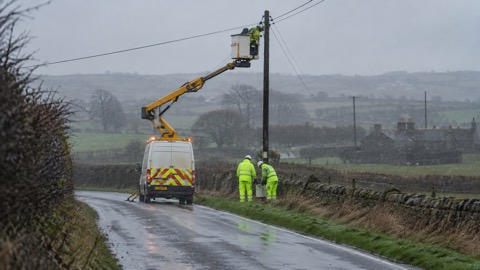
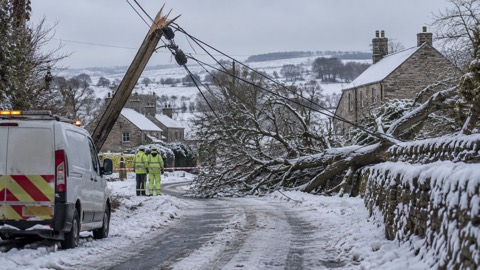
Storm Arwen brought severe winds to the UK between 26 and 27 November 2021, with the Met Office issuing a red warning for wind2. The highest gust speed measured was 98mph in Northumberland, and wind speeds were widely reported to reach over 69mph2. According to the Met Office, it was one of the most powerful and damaging winter storms of the last decade2. The damage resulted in over 9,700 faults, primarily caused by strong winds and fallen or broken trees2. Ofgem found that the majority of network faults were caused by strong winds or trees and branches falling onto power lines1.
| Measure | Figure |
|---|---|
| Customers losing power | Over one million1 |
| Reconnected within 24 hours | 82%2 |
| Without supply for more than three days | Approximately 40,0001 |
| Off supply for over a week | Nearly 4,0001 |
| Still off supply after 6 days | Over 2,9002 |
| All customers restored within | 13 days2 |
| Network faults | Over 9,7002 |
Storm Arwen brought considerable damage to most DNO networks across the country; only UKPN and SSEN (SSES) were not significantly affected2. Ofgem notes that Storm Eunice affected more customers (1.7 million compared with 1 million for Storm Arwen), but power was restored to those customers more quickly2.
The report sets out findings across network resilience, planning and preparation, incident handling, communication and support, and support after the incident1. Ofgem found that emergency plans were not sufficient to deal with the scale of the storm and some DNOs did not adapt their resources or strategies quickly enough1. Limited monitoring on the lower voltage networks hindered DNOs from understanding the full scale and complexity of faults, which affected the resources they initially deployed to undertake repairs, restore power and support customers1. There were issues with the availability of phone lines, websites and how efficiently customer enquiries were dealt with1. Ofgem believes that some DNOs were too slow in paying out compensation1.
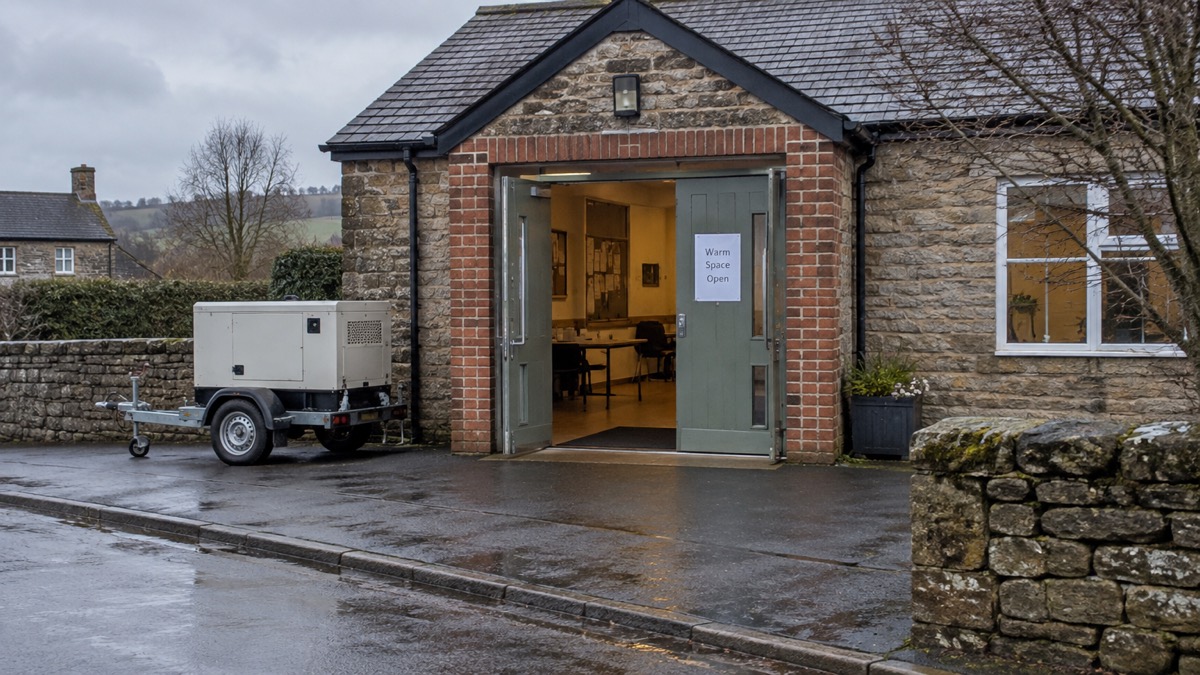
The recommendations include four actions to improve network resilience and the speed of customer reconnections, three to improve the identification of faults and the deployment of generators, and four to improve the handling of large call volumes, website traffic, reporting metrics of communications channels and customer service for call-backs1. Ofgem has also recommended that DNOs submit winter preparedness plans to Ofgem to provide assurance that all necessary steps have been taken1. A further recommendation covers how DNOs estimate restoration times, work with local resilience partners and make clear to customers what support, such as hot meals and accommodation, is available1. Four recommendations address how DNOs obtain customer data and develop more robust payment mechanisms to deliver compensation at scale1.
On payments, NPg, SSEN and ENWL have individually agreed to pay, via alternative action, an additional £10.28 million to consumer resilience funds, over and above the £29.64 million they have already paid through mandatory and voluntary compensation payments2. ENWL and SSEN have also agreed to spend £3.7m and £1.2m respectively on network resilience through shareholder funded activity2. The report gives individual amounts: a total package of £7.69m for consumers from NPg, in addition to the £12.39m it already paid out, and a package of £2.30m from SSEN2.
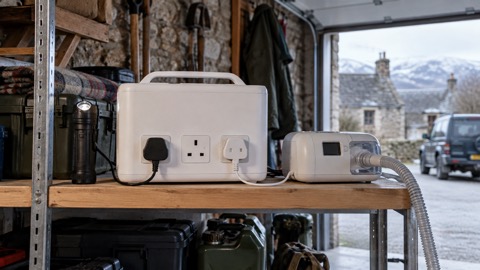
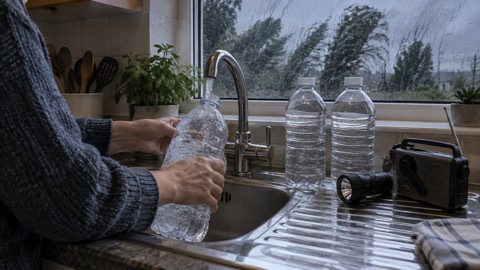
Ofgem also published a separate report, Customer Experiences of Storm Arwen, on the same date, setting out qualitative research into the experiences of customers affected by an extended power outage and their experiences of communication and support from DNOs3. Its findings informed the wider review3. The final report notes that some households that require electricity to power water pumps had no water supply for drinking, bathing or washing dishes2.
"Severe weather events are likely to become more common, as the effects of the climate change are felt, so it is imperative that all DNOs are well prepared."
Why it matters for households
The review concerns the companies that run the local electricity networks serving households across Great Britain. Its findings describe what happened to customers during Storm Arwen: extended outages, difficulty reaching network operators by phone or website, uncertainty about when power would return, and delays or inaccuracies in compensation. The report records that during planned engagement activities with affected customers in February 2022, Ofgem heard directly from several customers who had still not received accurate compensation payments2. It also records that some households needing electricity to power water pumps had no water supply for drinking, bathing or washing dishes2. The recommendations are addressed to DNOs and cover preparedness, fault identification, communications, restoration estimates, information about support such as hot meals and accommodation, and compensation delivery1. The report states that all DNOs have areas for improvement and that coordination and collaboration among them will be required to implement the recommendations effectively1.
What happens next
Ofgem states that it is calling on all DNOs to take swift action on the specific recommendations addressed to them and make the necessary improvements before the coming winter, reporting back to Ofgem on these in October2. The report says the majority of actions are relevant to all DNOs and that the Energy Emergencies Executive Committee (E3C), the partnership between government and industry commissioned by the Secretary of State for Business, Energy & Industrial Strategy in December 2021, will be responsible for implementing them2. Ofgem says it will consider these actions as it develops the framework of the next price control for electricity distribution companies (RIIO-ED2), which covers 1 April 2023 to 31 March 20282. It adds that it will continue to use all the tools in its regulatory toolkit to hold DNOs to account1. The report does not set out a timetable for individual DNO responses beyond the October reporting date2.
For background on the storm and the changes that followed, see Storm Arwen 2021: What Happened and What Changed. For how storms affect the electricity network and how households can prepare, see Storms and the Electricity Network, and the power cuts and storms and snow guides.
Sources (3)
- Storm Arwen Report | Ofgem, ofgem.gov.uk
- Final report on the review into network' response to Storm Arwen, ofgem.gov.uk
- Customer Experiences of Storm Arwen | Ofgem, ofgem.gov.uk
 Storm Arwen 2021
 Storms and the Electricity Grid