The National Fire Chiefs Council (NFCC) issued a statement on 26 November 2024 responding to the flooding resulting from Storm Bert, in which its Chair, Mark Hardingham, thanked fire and rescue personnel and volunteers and called on the Government to consult on a statutory duty for fire and rescue services in England1.
Hardingham said the severe weather and flooding of recent days had brought devastation to many communities, and that thoughts were with all those affected, particularly the loved ones of those who have lost their lives and those whose homes and businesses have been severely damaged1. He said fire and rescue personnel had again shown dedication and professionalism, from helping to evacuate residents to control room staff taking hundreds of calls, joined by hundreds of volunteers1. The statement gives no casualty figures or damage estimates, and no further detail on the areas worst affected has been reported1.
"We continue to call on the Government to consult on a statutory duty for fire and rescue services in England, to ensure they have the tools, training and resources to prepare and respond."
The NFCC describes itself as an independent membership association and the professional voice of the UK Fire and Rescue Service, founded in 1941 and established as a company and charity in 1998 as The Chief Fire Officers' Association, becoming the NFCC in 20171. Its statement notes that extreme weather events are increasing and that fire and rescue services will continue to play a crucial role in the response1.
With more rainfall anticipated in the coming days, the NFCC urged anyone in areas affected by the storm to visit the UK Government website for safety information, setting out the following advice for those about to be flooded or during a flood1:
| Situation | Advice given |
|---|---|
| Before flooding | Turn off gas, electricity and water supplies if it is safe to do so; do not touch an electrical switch if standing in water |
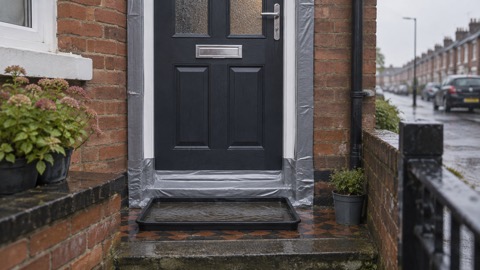
| Property and belongings | Move family, vehicles, pets and important items to safety, for example upstairs or to higher ground; use flood protection products such as flood barriers or air brick covers if you have them |
| Evacuation | Follow advice from your local council or the emergency services if asked to evacuate; not evacuating or delaying can put your life at risk and endanger responders who may later need to rescue you |
| Travel | Check for flooding and road traffic information; adhere to "Do Not Travel" notices |
| Walking | Never walk through flood water, which may contain sewage and hide rubbish, wreckage, uneven roads and pavements or broken drain and manhole covers |
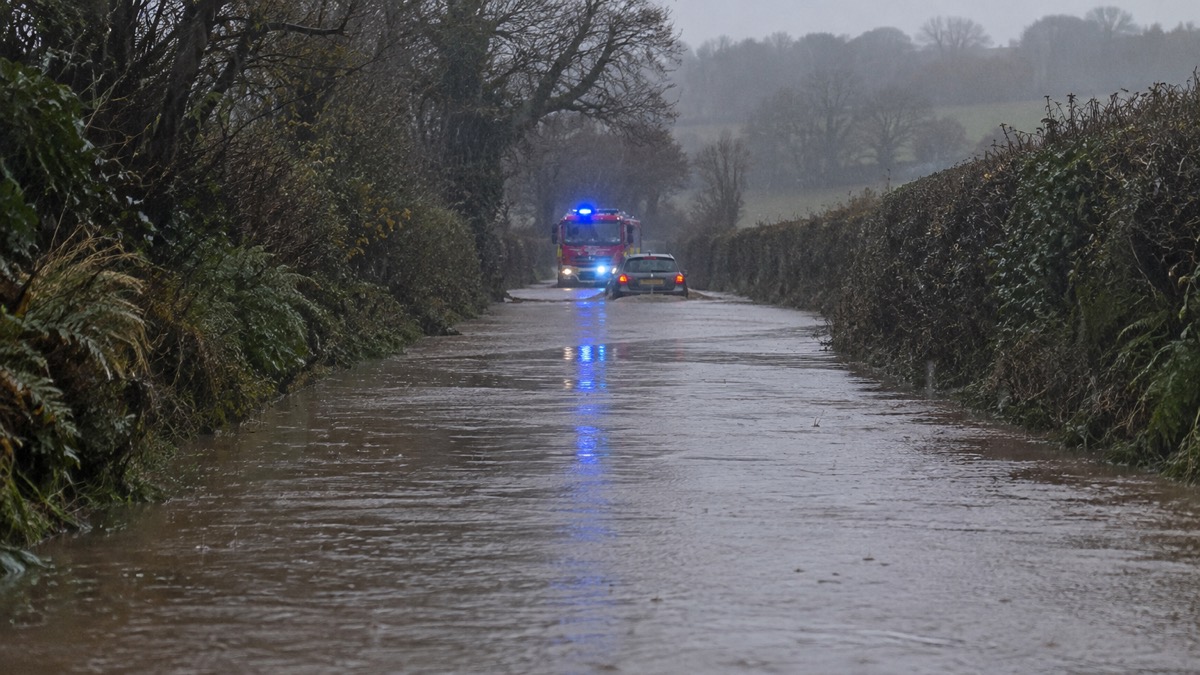
| Driving | If you come across a flooded road, turn around and find another route; the number one cause of death during flooding is driving through flood water |
Why it matters for households
The statement is addressed to households in the areas affected by Storm Bert, at a point when more rainfall is expected in the coming days1. It sets out what the NFCC says households should do if flooding is imminent or under way, including shutting off supplies where safe, moving people and possessions to higher ground, and following evacuation instructions from councils or the emergency services1. The NFCC's safety messages are that flood water should never be walked through and that flooded roads should be avoided, with driving through flood water named as the number one cause of death during flooding1. For households in flood risk areas, the flooding hub sets out wider preparation guidance.
What happens next
The NFCC says it continues to call on the Government to consult on a statutory duty for fire and rescue services in England1. No date for any consultation has been reported1. The NFCC points readers to the UK Government website for safety information while further rainfall is anticipated1.