The National Fire Chiefs Council (NFCC) launched its annual Be Water Aware campaign on Monday 27 April 2026, running until Sunday 3 May, warning about the risk of accidental drowning as warmer weather brings more people outdoors1. The council says more than 8 in 10 people who die in accidental drowning incidents in the UK are male1.
Between 2019 and 2024, 1,604 people in the UK lost their lives in accidental drowning incidents, according to the NFCC1. The council says around half had no intention of entering the water, with slips, trips and falls identified as a leading cause, and that over half of incidents occurred in inland waters such as rivers, lakes and canals1. A separate NFCC campaign page puts the figure for those who never intended to enter the water at 54%, with 56% of those fatalities happening in inland waters2.
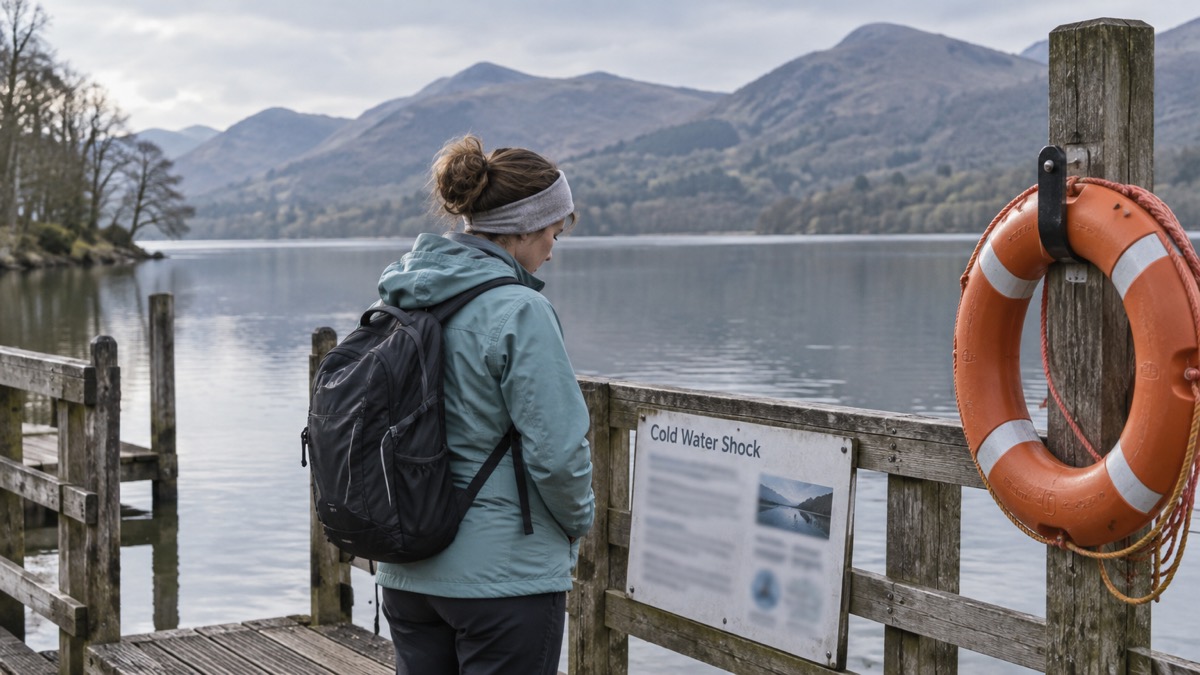
The NFCC says water temperatures in the UK remain cold year-round, even in warm weather, and that sudden immersion can lead to cold water shock, which can cause an involuntary gasp, rapid breathing, a rise in heart rate and a loss of swimming ability within seconds, affecting anyone regardless of fitness or experience1. Its campaign page states that in the UK most waters are cold, generally around 15°C even on a hot day, and that cold water shock typically lasts only a minute or two, during which people are at greatest risk2.
Gavin Ellis, NFCC Drowning Prevention lead, said:
"We know that males make up the majority of those who lose their lives in these incidents, which is why it is so important that this message reaches them. This is not just about risk-taking behaviour. These are often everyday situations that can quickly lead to serious outcomes, which is why it is important to stay alert around water, even in familiar settings."
The campaign highlights steps to reduce risk, including avoiding distractions such as mobile phones or headphones near water, staying back from the edge where possible, and calling for help rather than entering the water if someone is in difficulty1. The NFCC says bystander rescue advice has been updated nationally so that the previous Call, Tell, Throw advice becomes Phone, Float, Throw, and that the National Water Safety Forum is launching Phone, Float, Throw on 8 April, running until the end of August2. For anyone who falls into water unexpectedly or finds themselves struggling, the NFCC describes Float to live as lifesaving advice that can help people regain control until they can get help or help themselves2.
The campaign page also addresses alcohol: research by the Royal Life Saving Society shows 46% of accidental drownings in those aged 18 to 25 involve alcohol and/or drugs, based on WAID data for 2018 to 2023, and the NFCC states that choosing to enter the water while under the influence, or walking a route next to water after a night out, can lead to drowning2.
Why it matters for households
The NFCC is urging people to speak with loved ones, especially males, about staying safe around water1. Its data indicates that most of those who die did not set out to enter the water, and that everyday activities such as walking, running or cycling near water, or entering the water to cool down on a hot day, feature in these incidents1. The council says fire and rescue services can face increased numbers of water rescue incidents as temperatures rise1.
The campaign page sets out that English fire and rescue services do respond to inland water rescue incidents using existing general powers and resources, but that there is no statutory duty for them to do so, and that the lack of a clear statutory duty means there is no dedicated continuous funding for inland water safety response and prevention work2. The NFCC released an Inland Water position statement in September 2024 setting out its ask of government2.
The campaign forms part of the UK Drowning Prevention Strategy, which aims to achieve a 50% reduction in accidental drownings between 2016 and 20262. The NFCC says the campaign works closely with other members of the National Water Safety Forum so that messages are aligned3. Updated resources are available on the NFCC website, and the campaign uses #BeWaterAware3.
What happens next
Be Water Aware runs until Sunday 3 May 20261. The Phone, Float, Throw campaign launched by the National Water Safety Forum on 8 April and runs until the end of August2. The NFCC says its Be Water Aware resources can be used throughout the year to support water safety messaging in communities2.
For households thinking about how warnings and public safety messages reach them, the site's staying-informed hub covers sources of official information, and why TV, radio and phone signal fail in storms and space weather explains interruptions to broadcast and mobile services.