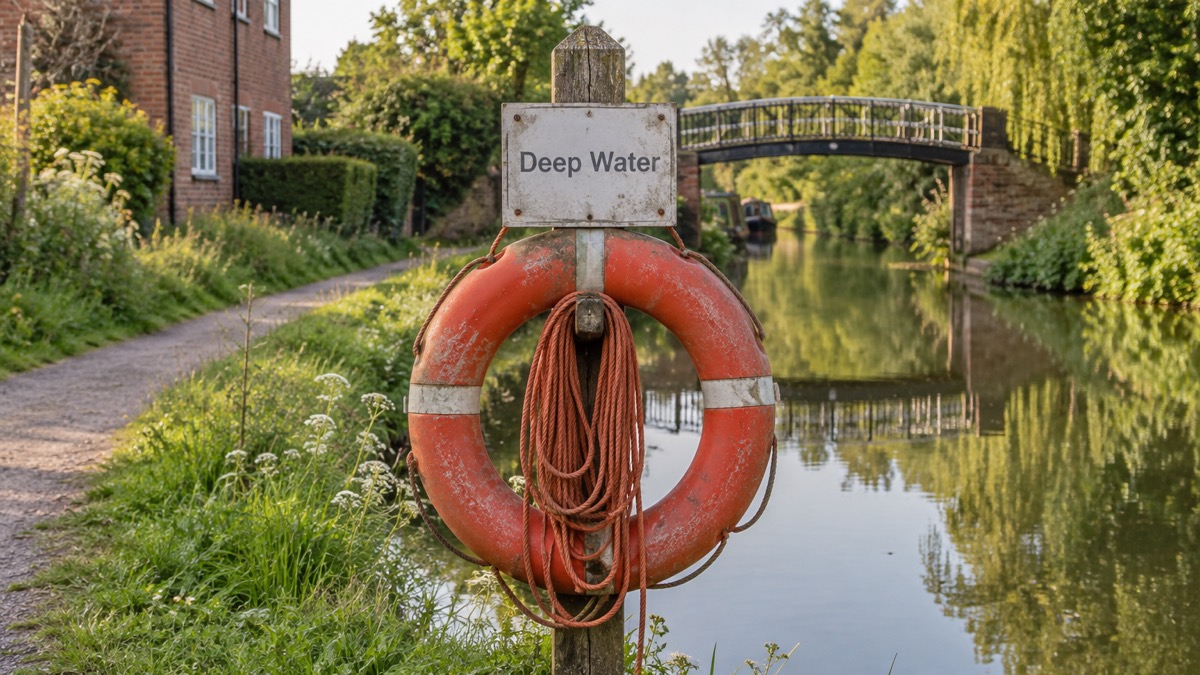
The National Fire Chiefs Council (NFCC) issued a water safety warning on 26 May 2026, asking parents and carers to speak to young people about the dangers of entering unsupervised open water during the hot half term weather. The council said the warning came after four confirmed drownings of teenagers in inland water over the bank holiday weekend1.
The NFCC said fire and rescue services often see an increase in call outs to water safety incidents as temperatures rise, and that open water can look calm but often has hidden dangers such as submerged objects, hidden currents and sudden drops1. It said that while air temperatures may feel warm, water temperatures can remain dangerously cold enough to trigger cold water shock, which can affect breathing and movement within seconds1.
The council cited research released by Bournemouth University in 2024. It said that when UK average maximum air temperatures reach or exceed 25°C, there is a fivefold increase in accidental drowning risk compared with days averaging 10°C, and that three times as many accidental drowning fatalities occur on days when air temperatures reach 25°C or more, compared with the seasonal average1.
Gavin Ellis, NFCC Drowning Prevention lead, said:
"Cold water shock can affect anyone, no matter how confident they feel in the water. Jumping into open water can cause an involuntary gasp response, panic and loss of swimming ability almost immediately, which is why we urge people not to swim in unsupervised locations during this hot weather."
The NFCC's public safety advice includes: speak to young people about the dangers of open water; swim in supervised locations; do not jump into water to cool off; never enter the water to attempt a rescue, instead call 999 immediately; do not enter the water if you have been drinking alcohol; and install location apps such as what3words so emergency services know where you are if an incident happens1. For anyone who sees someone else in trouble, it sets out "Phone, Float, Throw": phone 999 to get help, tell the struggling person to float on their back, and throw them something that floats1. For anyone in trouble themselves, it advises "Float to Live": tilting your head back with ears submerged, relaxing to try to control breathing, moving your hands to help stay afloat, and, once over the initial shock, calling for help or swimming to safety1.
Why it matters for households
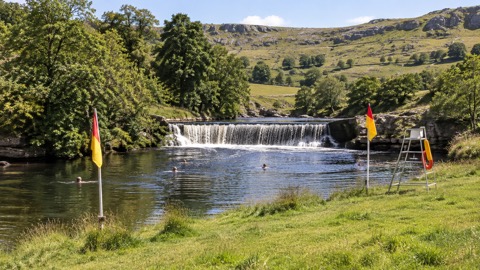
The warning covers the half term holiday period, when more families are drawn to rivers, lakes, quarries, canals and reservoirs in warm weather1. The NFCC says even the strongest swimmers in a pool may struggle if they are not experienced open water swimmers, and that cold water shock can affect anyone regardless of confidence in the water1. Its advice is directed at parents and carers, who are asked to have open conversations with children and teenagers about the risks, and at young people, who are asked to look after each other and make safe decisions around water1. Households planning time near water during the hot weather can find practical guidance in the guide to swimming safely in rivers, lakes and the sea in hot weather, with wider coverage in the heatwaves and drought hub.
What happens next
No further dates have been reported. The NFCC said the warning applies as hot weather continues across half term1.
 Swimming Outdoors Safely