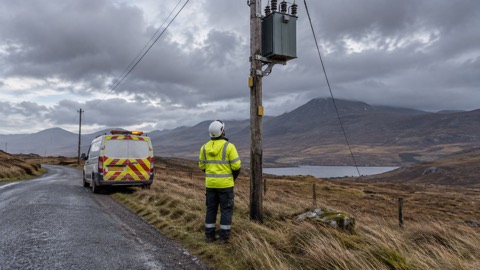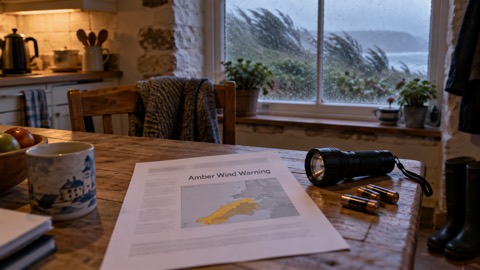
Storm Ashley was the first named storm of the 2024/25 season, Transport Scotland said in its annual winter service announcement. The department published the statement on 6 November 2024, setting out preparations for the trunk road network and warning the public against complacency after what it called a record year.
The season 2023/24 saw 12 named storms and many severe weather warnings, mostly focused on flooding, the highest number since the first naming season in 20151. In a typical autumn and winter there would be six or seven named storms, reaching the letters F or G, Transport Scotland said1. The annual winter service runs until 15 May1.
The department said more than 230 gritters would carry out enhanced patrols of the trunk road network, spreading salt and ploughing snow from over 40 depots across Scotland1. It reported more salt in stock than was used for the entirety of the previous winter, at over 412,000 tonnes1. Other measures listed include dedicated snow plans for the M8, M74, M77, M80 and the AWPR, improved mitigation, detection and management of ice on the Queensferry Crossing, a dedicated Met Office and Police Scotland presence in the control centre, and a new study exploring how forecasting can be improved using mobile sensor data on board spreaders1.
On the Queensferry Crossing, Transport Scotland's national operations manager for resilience, Martin Thomson, said new automatic barriers would be tested again that weekend by the operating company BEAR Scotland, meaning a diversion to the Forth Road Bridge could be up and running in as little as 20 minutes if required1. He also described a full programme of cable cleaning on the crossing to mitigate ice, an advanced weather forecasting system and new sensors giving early warning of risk levels1.
"The public are being reminded not to be complacent this winter after a record number of named storms last year."
Why it matters for households
The statement concerns the Scottish trunk road network, so its practical effect falls on households travelling on those routes, particularly during named storms and weather warnings. Transport Scotland said the winter service runs until 15 May, and that its gritter tracker is running again so people can see where gritters have carried out treatments1. It said Traffic Scotland has almost 400,000 followers on X and is the second most popular source of information for people seeking travel advice and the condition of trunk roads affected by severe weather, while local radio still plays a key role1.
Superintendent Vinnie Fisher, deputy head of Road Policing, gave this advice for drivers: "If a weather warning is in place, the advice remains the same, listen to media broadcasts, follow Traffic Scotland and share travel information with others." He added that people can plan ahead by checking their route and windscreen washer levels, and by being prepared for increased stopping distances and extra time for their journey1.
The Met Office's John Harrison said last year saw the greatest number of named storms since naming began in 2015, and that the challenges of winter weather can have major implications for those managing and using transport networks1.
What happens next
Transport Scotland said the new automatic barriers on the Queensferry Crossing would be tested again over the weekend following the announcement, with a diversion to the Forth Road Bridge possible in as little as 20 minutes if required1. The annual winter service continues until 15 May1. No further dates were given for the forecasting study using mobile sensor data on board spreaders, and no detail has been reported on the timing or path of Storm Ashley itself.
For general preparation, see the guide to storms and snow.
Sources (1)
- Get Ready for Winter | Transport Scotland, transport.gov.scot