The Child Accident Prevention Trust (CAPT) has launched a national safety campaign on button batteries with the Office for Product Safety and Standards (OPSS) and the British and Irish Portable Battery Association (BIPBA), announced on 27 March 20231. The launch came as the Healthcare Safety Investigation Branch (HSIB) published its independent investigation into the death of a three-year-old who swallowed a button battery1.
The campaign includes a new downloadable poster, "Button batteries: Where are yours?", and updated safety advice and a safety flyer, revised using insights from the HSIB report1. CAPT says it is encouraging parents to know where lithium coin cell batteries are in their homes, including in products, spares and flat batteries, so they can be kept out of children's reach1.
CAPT sets out the harm plainly. A button battery, particularly a powerful 3V lithium coin cell, stuck in a small child's food pipe creates a chemical reaction that erodes soft tissue, and can burn a hole inside the body and cause serious internal bleeding and death1. The reaction can happen in as little as two hours, and symptoms are often not obvious until it is too late1. Children between 1 and 4 are at greatest risk, and even discarded flat batteries still hold enough power to badly hurt a child1.
The HSIB report makes recommendations in three areas: public awareness, product safety and clinical decision-making1. On product safety, CAPT says there are safety regulations for children's toys, so lithium coin cell batteries are secured in battery compartments and cannot be accessed by small children, but there are no equivalent regulations for other products in the home1. It says reputable manufacturers use child-resistant packaging, but there is no requirement to do so, and no requirement to place a warning on packaging about the consequences for a small child of swallowing a lithium coin cell battery1. The OPSS has commissioned BSI to develop a fast-track safety standard, called a PAS, covering battery design, product casing, packaging and safe retailing, and CAPT will sit on its advisory group1.
On clinical decision-making, NHS call handlers now have a specific prompt on button batteries when asking questions about a child swallowing something harmful1. There is a recommendation for the Royal College of Paediatrics and Child Health to develop a tool to support clinical decision-making, with support from the Royal College of Emergency Medicine, and HSIB also suggests a study in emergency departments evaluating handheld metal detectors to scan under-fives with non-specific symptoms1.
"In fact, even discarded 'flat' batteries still hold enough power to badly hurt a child."
Why it matters for households
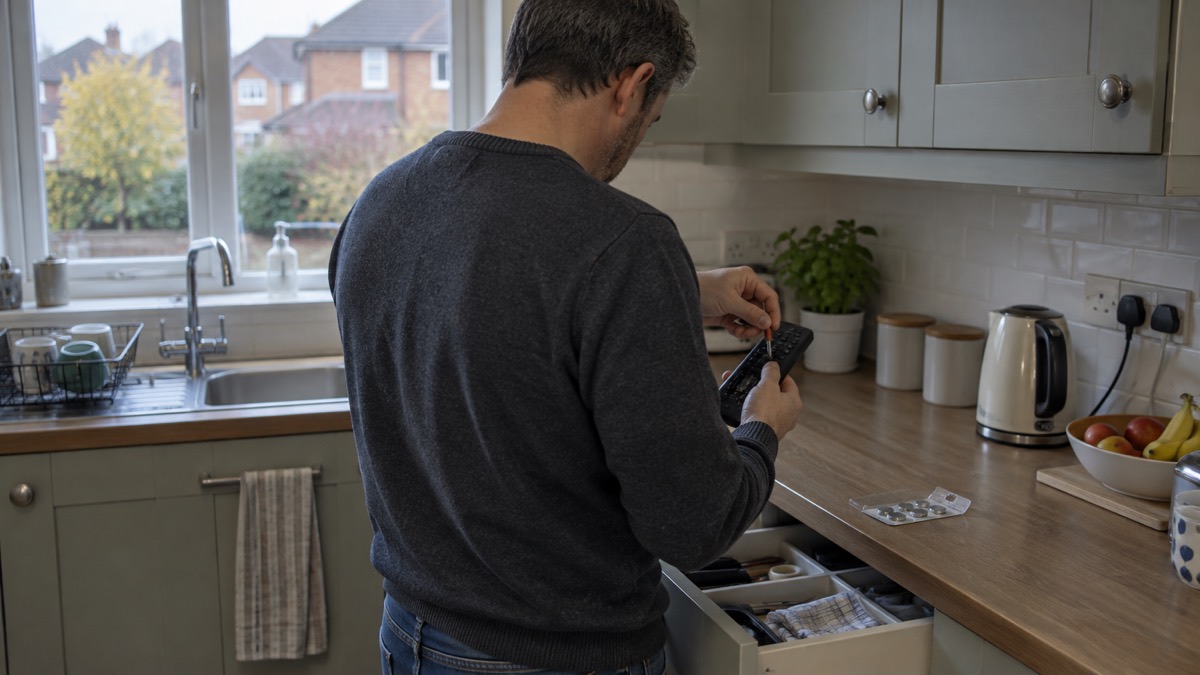
The campaign is aimed at parents and carers of small children, the group CAPT identifies as at greatest risk1. The practical point it makes is about the home: lithium coin cell batteries are found in products and gadgets, in cheap toys and novelty items, and in multi-packs of spares, and flat batteries remain hazardous after use1. CAPT's stated aim is for parents to know where these batteries are kept so they can be kept out of children's reach1. The site's guide on flat button batteries covers their continued danger after use, and the lighting hub covers the products that commonly contain them.
What happens next
The OPSS has commissioned BSI to develop the fast-track PAS standard on battery design, product casing, packaging and safe retailing, with CAPT on the advisory group1. The recommendation for a clinical decision-making tool from the Royal College of Paediatrics and Child Health, and the suggested emergency department study of handheld metal detectors, have been made but no timetable for either has been reported1. CAPT says it has worked on button battery safety for five years and with BIPBA since 20171.
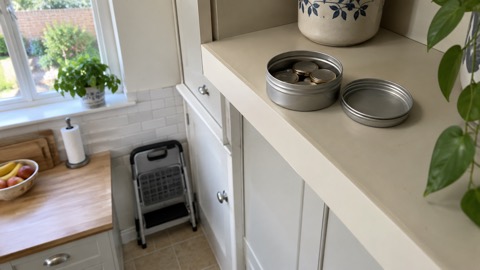 Flat Button Battery Dangers