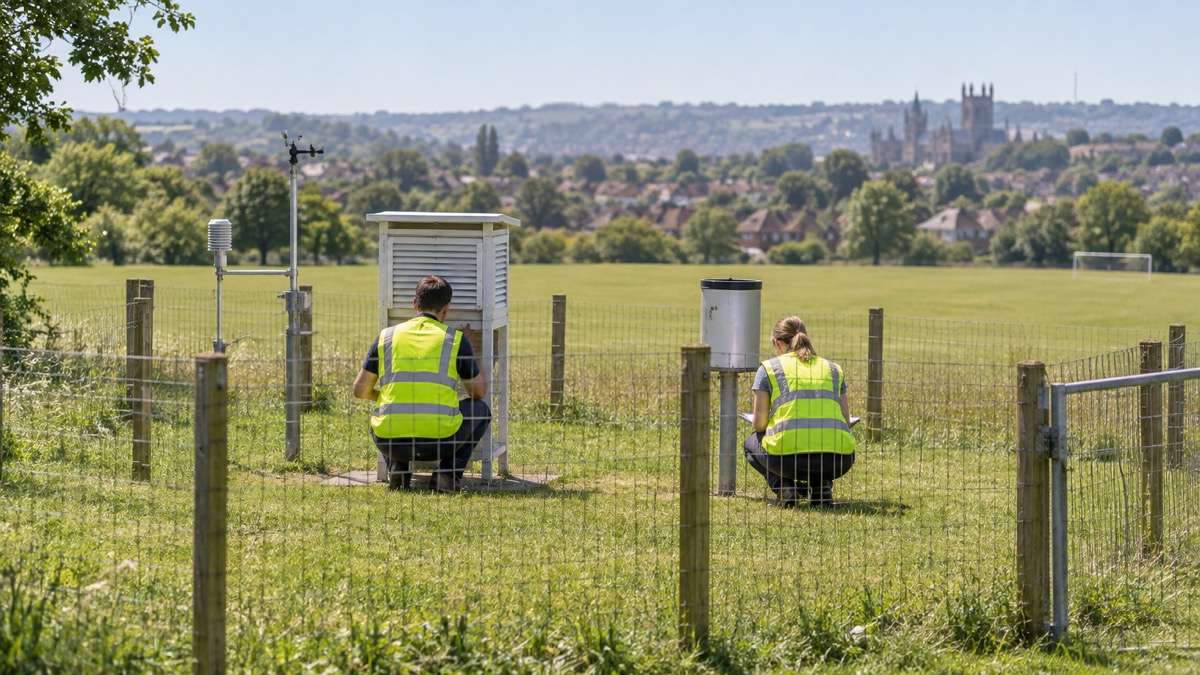
The UK Health Security Agency (UKHSA) published a user guide for the Weather-Health Alert (WHA) system on GOV.UK on 22 April 20261. The guide, reference GOV-20970, runs to 28 pages and is issued as a PDF of 688 KB1. Weather-health alerts are issued by UKHSA in partnership with the Met Office1.
The guide sets out the two seasonal alerting periods and how alerts are produced. During the summer and winter seasons, UKHSA and the Met Office monitor the weather forecasts, and where episodes of hot or cold weather are identified using predefined evidence-based considerations, a joint dynamic risk assessment is carried out and the appropriate alert issued1. The Heat-Health Alert (HHA) operates from 1 June to 30 September, and the Cold-Health Alert (CHA) operates from 1 November to 30 March1. An out-of-season alert may still be issued if impacts from adverse weather on health, heat or cold, are expected1.
| Alert | Operating period |
|---|---|
| Heat-Health Alert (HHA) | 1 June to 30 September |
| Cold-Health Alert (CHA) | 1 November to 30 March |
| Out-of-season alert | May be issued if heat or cold impacts on health are expected |
Users need to register for the WHA system, where they can specify the government region they wish to receive alerts for1. Depending on the level of alert, a response is triggered to communicate the risk to NHS England, the government and the public health system1. Advice and information are sent to the public and health and social care professionals, particularly those working with at-risk groups, after an alert is issued or updated1.
"Weather-health alerts are issued by UKHSA in partnership with the Met Office."
Why it matters for households
The guide confirms that households in England can register for weather-health alerts for a chosen government region, rather than relying on national bulletins1. The alerting year is split between the heat season, 1 June to 30 September, and the cold season, 1 November to 30 March, with out-of-season alerts possible where heat or cold is expected to affect health1. The guide states that advice and information are sent to the public, and to health and social care professionals working with at-risk groups, after an alert is issued or updated1. The guide does not set out the alert levels themselves or what each level means for households; those details are not in the published summary. Households wanting to track official warnings and alerts can use the site's staying informed hub.
What happens next
The guide is dated 22 April 2026 and is available on GOV.UK as a 28-page PDF1. The heat season it covers begins on 1 June 20261. No further dates have been reported.