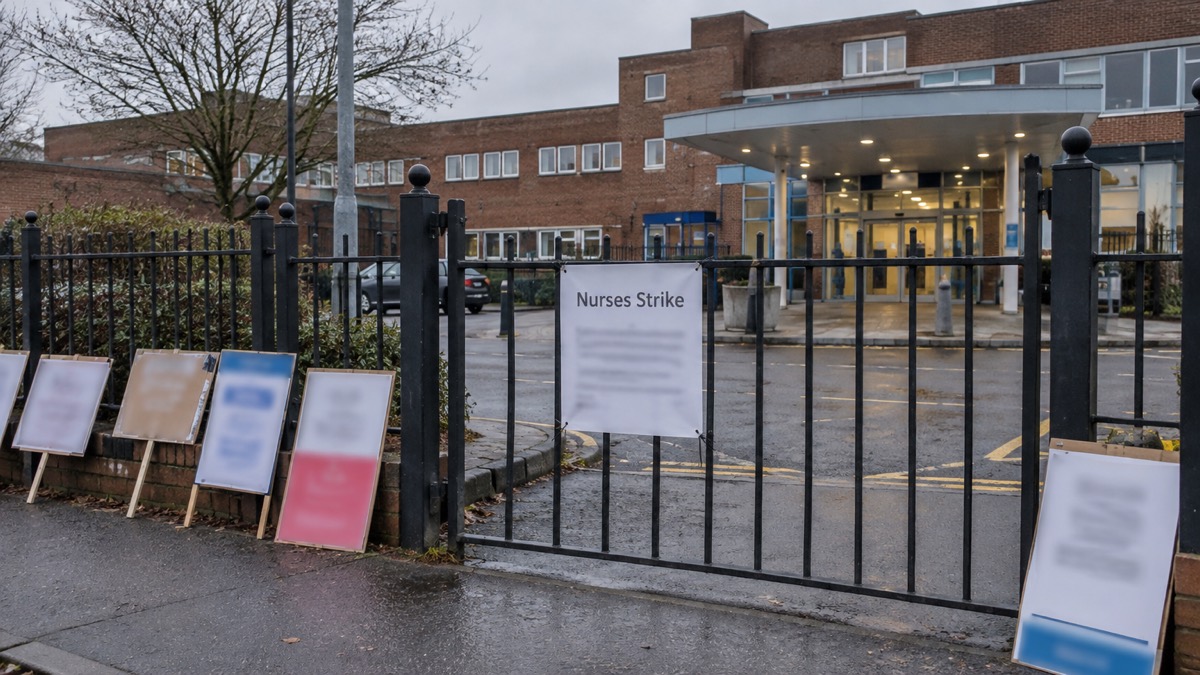
Nurses were striking in 11 NHS Trusts across the Midlands on 20 December 2022, NHS England said, and ambulance workers in the East Midlands and West Midlands were due to strike the following day1. Nationally, NHS England reported that nurses were striking in 44 NHS Trusts across England that day, with ambulance workers striking at nine out of 10 ambulance trusts tomorrow2.
NHS England asked patients to use services wisely during the industrial action. It said NHS 111 online should be the first port of call for health needs, and that people should continue to call 999 only for life-threatening emergencies, with ambulance services prioritising the most clinically urgent cases1. It said patients whose conditions are not life-threatening may have to wait longer than usual for an ambulance and, where safe and appropriate, may be asked to make their own way to hospital, after getting medical advice from 111 or 9991. General practice, community pharmacies and dentistry were not affected by strike action1.
The service said October and November had been the busiest months on record for A&E attendances and the most serious ambulance callouts2. It said more than 6.5 million people had used NHS 111 online in the previous 12 months, with an average of 20,000 users a day being directed to the right support2. Preparations included 24/7 control centres, additional bed capacity, more mental health support for ambulance services and more community falls services1. NHS England said it would contact anyone whose appointment had to be rescheduled, and that patients not contacted should attend as planned1.
"Today nurses are striking in 11 NHS Trusts across the region."
NHS Medical Director Professor Sir Stephen Powis said the NHS was facing extreme pressure and that industrial action would add to record demand on urgent and emergency care1. He asked the public to keep calling 999 for life-threatening emergencies, to use 111 online for other health needs, and to take sensible steps such as drinking responsibly or checking on a vulnerable family member or neighbour1.
Why it matters for households
The disruption on 20 December 2022 and the following day affected urgent and emergency care in the Midlands and, for ambulance services, across England. NHS England said life-saving care would continue and that priority would go to patients with the most clinically urgent needs1. It advised that people with non-life-threatening conditions may face longer waits for an ambulance, and that general practice, community pharmacies and dentistry were unaffected1. It asked the public to check in on vulnerable family members and neighbours and to avoid ending up in A&E, for example by drinking responsibly or stocking up on medication1. It also advised people to use NHS 111 online as the first port of call for health needs1. Households wanting to follow official updates as the situation develops can use the guide to staying informed.
What happens next
Ambulance workers in the East Midlands and West Midlands were due to strike the day after the nurses' action1. NHS England said regional and national teams would support local areas needing further assistance on strike days1. It said it had issued guidance to local NHS employers on the derogations to seek from local union representatives so that certain vital services such as chemotherapy continue2.