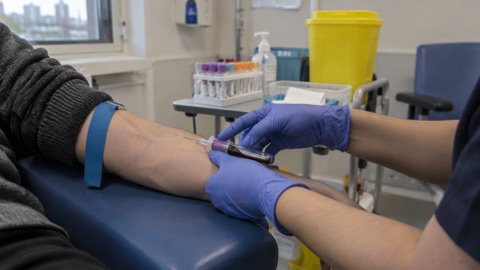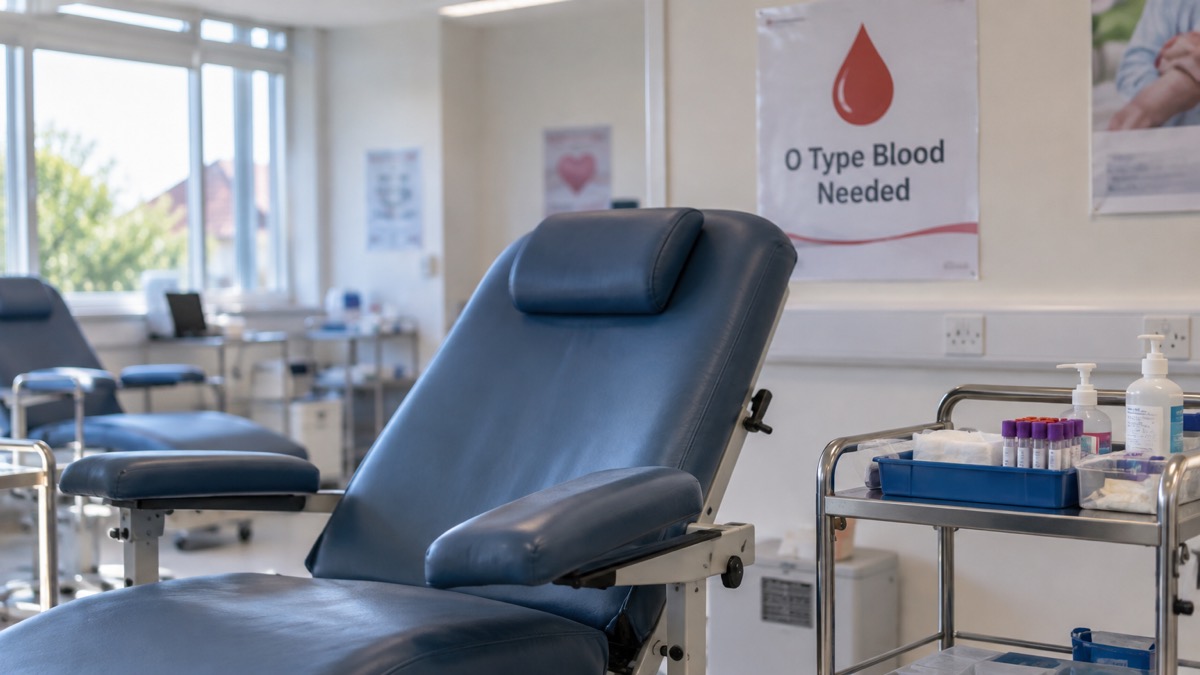
NHS Blood and Transplant has called for O Positive and O Negative donors to urgently book appointments at one of 25 town and city centre NHS Blood Donor Centres in England, to boost stocks of O type blood following the ransomware attack on Synnovis on Monday 3 June1. The appeal was set out in NHS England London's weekly update on the clinical impact of the incident, published on Thursday 4 July1.
The update reports that 1,517 acute outpatient appointments and 136 elective procedures were postponed across King's College Hospital NHS Foundation Trust and Guy's and St Thomas' NHS Foundation Trust in the week of 24 to 30 June1. Since 3 June, 4,913 acute outpatient appointments and 1,391 elective procedures have been postponed at the two trusts1. Of the 136 elective procedures postponed in the latest week, 13 were cancer treatments, and 29 organs were diverted for use by other trusts1. No planned C-sections were postponed or rescheduled in the last week1. The figures are drawn from unvalidated management information and do not include appointments postponed because of industrial action by junior doctors between 7am on Thursday 27 June and 7am on Tuesday 2 July1.
Pathology services in south east London provided approximately 54% of normal capacity in the week covered, up from 45% the week before1. Primary care appointments are going ahead as normal, but blood tests are being prioritised for urgent cases, and GP referrals are significantly impacted, with only urgent referrals accepted for blood sciences (haematology, biochemistry, immunology and virology); normal services are operating for histology and cervical smears1. Guy's and St Thomas', King's College Hospital and South London and Maudsley NHS Foundation Trusts remain in a critical incident, while Oxleas NHS Foundation Trust, Lewisham and Greenwich NHS Trust, Bromley Healthcare and primary care services in South East London continue to be significantly impacted1.
Dr Chris Streather, Medical Director for NHS London, said:
"The mutual aid agreements that have been put in place in primary care continue to show progress to meet urgent demand, with pathology services now operating at 54% of the capacity they had prior to the cyber attack, helping to increase the number of blood tests available in the most critical and urgent cases."
NHS England states that urgent and emergency services have remained available as usual, and that patients should access services in the normal way by dialling 999 in an emergency and otherwise using NHS 111 through the NHS App, online or on the phone1. It says patients will be kept informed about any changes to their treatment by the NHS organisation caring for them, through texts, phone calls and letters1. Appointments at the 25 donor centres can be booked at blood.co.uk or by calling 0300 123 23 231.
Why it matters for households
The appeal concerns households in England with O Positive or O Negative blood, who are being asked by NHS Blood and Transplant to book a donation appointment at a town or city centre donor centre1. For households in south east London, blood tests through GP referrals are restricted to urgent cases, while primary care appointments continue as normal1. NHS England says investigations of this type are complex and it may be some time before it is clear which individuals have been impacted, and a helpline has been set up on 0345 87789671. The incident is covered in the guide to the Synnovis ransomware incident and London NHS pathology, with wider household guidance in the cyber-attacks hub and from the National Cyber Security Centre.
What happens next
NHS England says updates will be provided on a weekly basis as the incident continues, with the next update on Thursday 11 July1. It says the NHS will continue to provide updates as more detail becomes available through Synnovis' full investigation1.