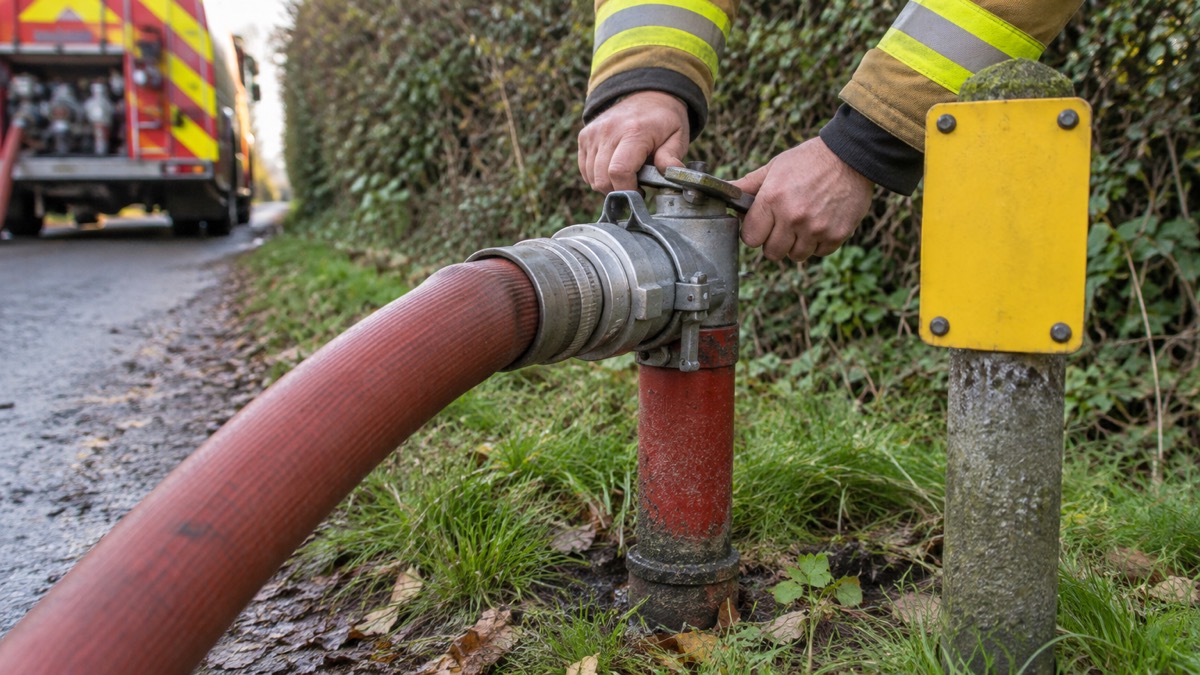
The National Fire Chiefs Council (NFCC) published its Water Supplies for Firefighting Position Statement on 23 September 2026, warning that inadequate water supplies for firefighting are creating growing risks to public safety1. The statement draws on an NFCC survey of UK fire and rescue services conducted in summer 20261.
The survey found that 81% of responding services had changed their planned level of response in areas with known difficulties accessing sufficient firefighting water, and 58% had introduced additional measures in response to significant water supply outages1. Half reported encountering insufficient water flow or pressure somewhat or very frequently1. NFCC evidence shows hydrant installation and maintenance charges increased by an average of 85% between 2014 and 2024, with fire services reporting limited transparency over how those costs are calculated1. Services reported concerns including inadequate water flow and pressure from hydrants, delays in the installation and repair of firefighting infrastructure, inconsistent engagement from water companies, and rising costs of hydrant maintenance and replacement1.
The operational impact was highlighted during this summer's major wildfire in Stourbridge, where West Midlands Fire Service experienced ongoing issues with water pressure over several days1. At the height of the incident, firefighters had to rely on a High Volume Pumping Unit to help maintain water supplies, and replenishing a water carrier took almost 40 minutes at one stage because of reduced pressure1. Water company representatives were deployed to the scene and joined multi-agency briefings as crews managed fluctuating supplies throughout the incident1.
"Firefighters cannot fight fires without water. That sounds obvious, yet our evidence shows four in five fire and rescue services have had to change response plans because of concerns about firefighting water supplies."
The statement warns that pressures from climate change, drought, population growth, housing development and emerging infrastructure such as data centres and battery energy storage systems are increasing demand on an already stretched water network1. NFCC is calling for firefighting water supplies to be recognised as a critical public safety requirement, clear national standards for firefighting water provision, stronger accountability for water companies, greater transparency around hydrant charges, improved consideration of firefighting water needs in planning decisions, and better access to water network information to support emergency response1.
| Survey finding, summer 2026 | Share of responding services |
|---|---|
| Changed planned level of response in areas with known water access difficulties | 81% |
| Introduced additional measures after significant water supply outages | 58% |
| Encountered insufficient water flow or pressure somewhat or very frequently | Half |
Why it matters for households
The changes reported are to fire and rescue services' planned response arrangements, meaning the level of response firefighters plan to provide in some areas has already been adjusted where water access is known to be difficult1. The statement says inadequate supplies affect firefighters' ability to respond effectively to incidents and are creating growing risks to public safety1. NFCC identifies climate change, drought, population growth, housing development, data centres and battery energy storage systems as pressures increasing demand on the water network1. Households wanting to follow official warnings and incident information can use the site's staying-informed hub.
What happens next
NFCC states that forthcoming water sector reforms provide an important opportunity to improve resilience and ensure firefighting requirements are properly reflected in future infrastructure and investment decisions1. The statement sets out the areas where NFCC is seeking change, listed above1. No timetable for those reforms, and no response from water companies or government, has been reported1.