Get Safe Online issued a scam warning on 22 July 2024, the day after a global IT outage that it says resulted from "a global IT outage resulting from a faulty software update to Microsoft systems by cybersecurity company CrowdStrike"1. The organisation said it was already receiving reports of fraudsters contacting companies while systems were being restored1.
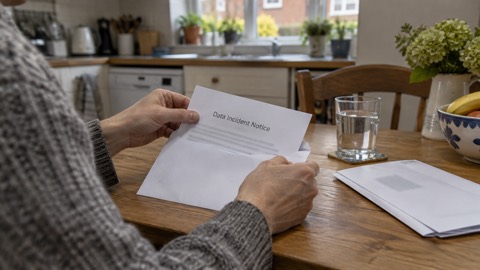
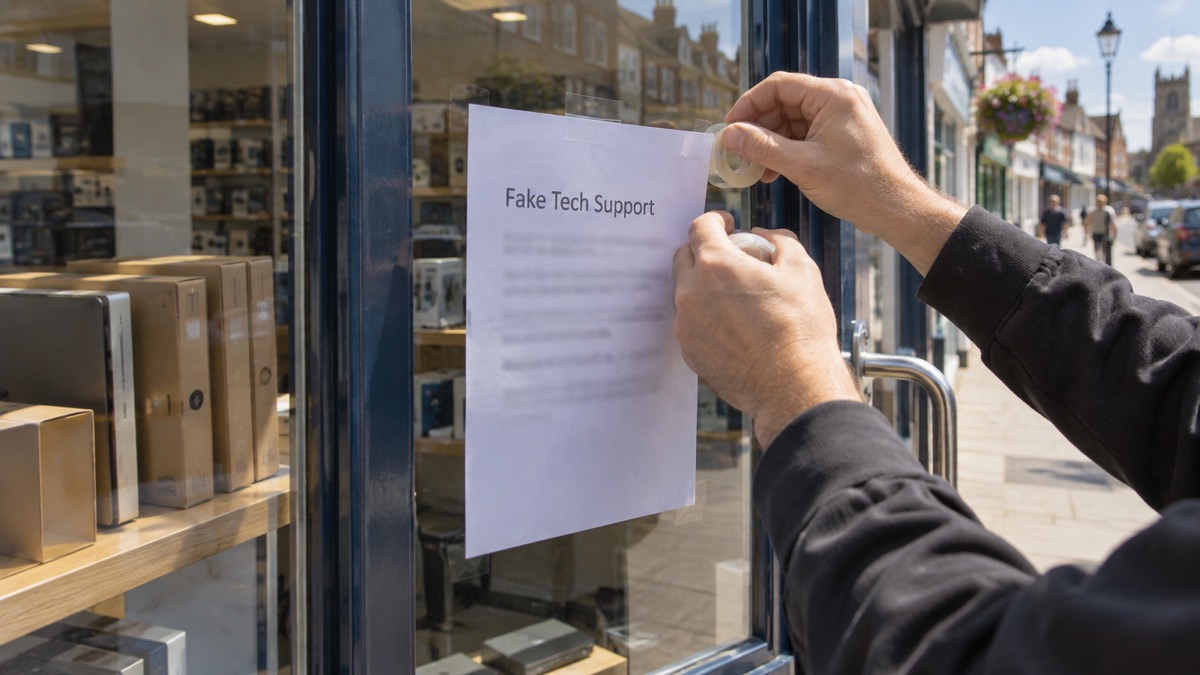
The warning describes two patterns. In the first, companies have been contacted by fraudsters posing as tech support companies offering help to get them back online, and taking payments or bank details1. In the second, organisations are receiving phishing emails with either links or attachments using a malicious ZIP archive, designed to steal data from systems1. Get Safe Online said it anticipated a rise in scams inviting people to engage or click on links to help them restore normal services1.
CrowdStrike chief executive George Kurtz said in a statement: "We know that adversaries and bad actors will try to exploit events like this," and encouraged everyone to remain vigilant and ensure they engage with official CrowdStrike representatives1.
"Please be extra cautious with any request and always double check the information before responding."
The same statement from Tony Neate sets out the organisation's advice: do not click on links in emails or attachments from unknown sources; do not reveal your password or personal information to anyone; and, if unsure, check with Microsoft or CrowdStrike directly before proceeding, which it says is probably easiest via their respective websites1. Get Safe Online also suggests that business owners and managers alert their workforce and advise additional vigilance1.
| Point | Detail as given by Get Safe Online1 |
|---|---|
| Reported scam | Fraudsters posing as tech support, offering to restore systems and taking payments or bank details |
| Reported scam | Phishing emails with links or attachments using a malicious ZIP archive, designed to steal data |
| Advice | Do not click links in emails or attachments from unknown sources |
| Advice | Do not reveal your password or personal information to anyone |
| Advice | Check with Microsoft or CrowdStrike directly, probably via their websites, if unsure |
| Advice to businesses | Alert the workforce and advise additional vigilance |
Why it matters for households
The warning is addressed to individuals and small businesses, so households using Microsoft systems, and anyone in a small firm, fall within its scope1. The scams reported so far concern companies being contacted, but Get Safe Online frames the risk as arising from an incident of this scale and says cybercriminals are usually very fast to exploit large scale disasters1. Its advice is to treat any request connected to restoring services with extra caution, to verify it before responding, and to check with Microsoft or CrowdStrike directly rather than through a contact who makes the approach1. The organisation's guidance on recognising fraudulent emails, texts and calls is set out in its guide to phishing, and the wider consequences of service failures are covered in the household guide to cyber attacks and major IT failures.
What happens next
No further dated steps have been reported. Get Safe Online says it anticipates a rise in scams inviting people to engage or click on links to help them restore normal services, and asks business owners and managers to alert their workforce1.
Sources (1)
- Scam warnings after global IT outage, getsafeonline.org
 Spotting Phishing Messages